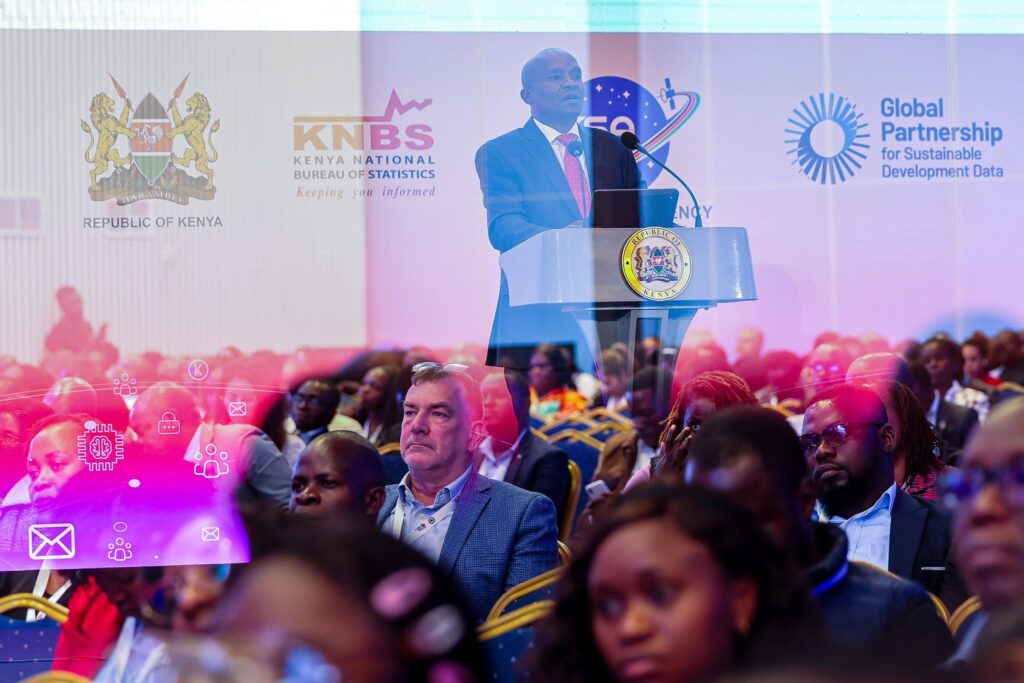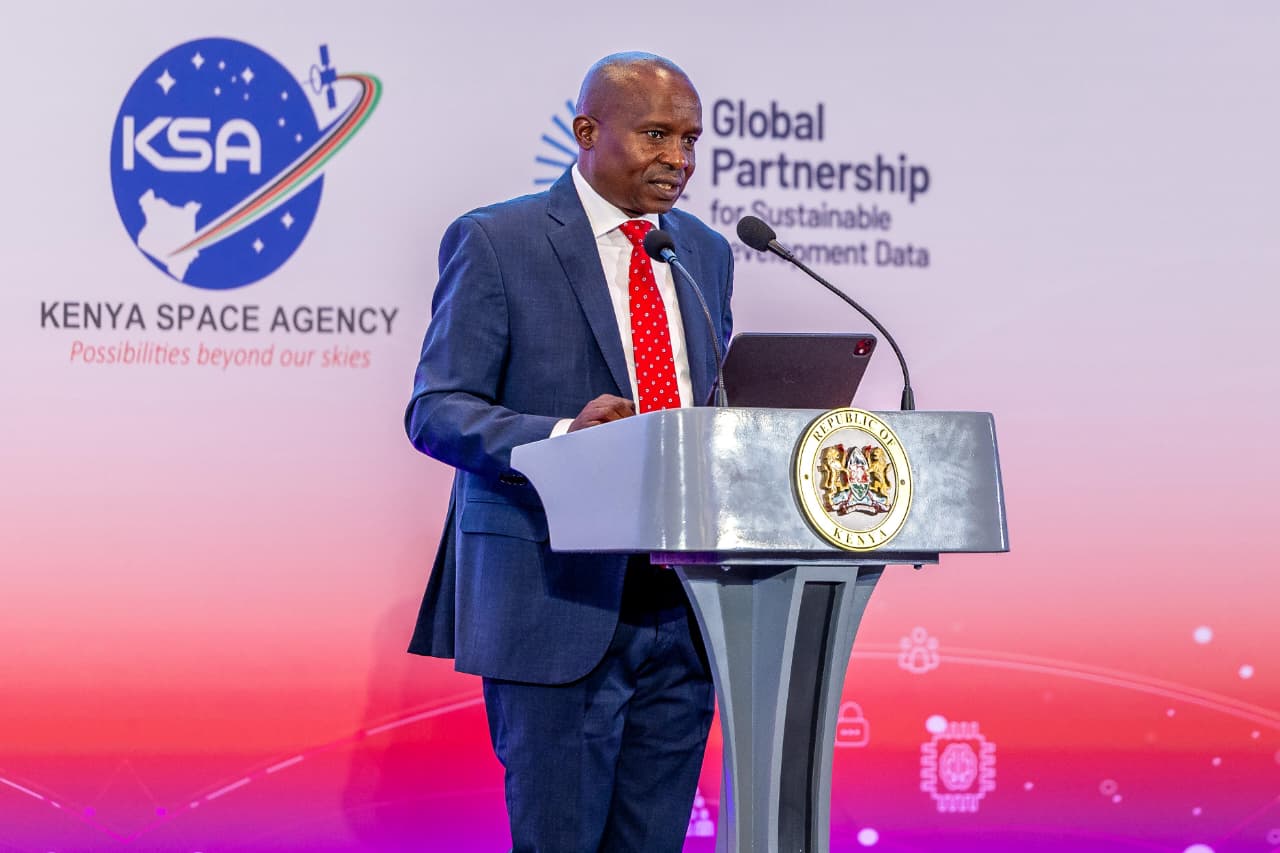
Deputy President Kithure Kindiki has called for increased investment in robust data systems, describing data as the backbone of sustainable development and a critical driver of Kenya’s socio-economic transformation. Speaking during the Global Data Festival 2026 in Nairobi, Prof. Kindiki emphasized that reliable, secure, and inclusive data systems are essential for effective planning, service delivery, and economic growth across Kenya and the African continent.
The Deputy President noted that the government under President William Ruto has prioritized the development of modern data infrastructure as part of its broader digital transformation agenda. He said Kenya is making significant investments in the collection, management, and protection of local data to ensure it remains secure, reliable, and beneficial to national development objectives.
Prof. Kindiki observed that in the age of Artificial Intelligence, data has become even more important because it forms the foundation upon which intelligent systems are built. He warned that weak or exclusionary data systems could perpetuate inequalities and inefficiencies, stressing that nations must strengthen their data ecosystems to ensure development benefits reach all citizens.
He underscored that data should be treated as a strategic national asset and development infrastructure, just like roads, hospitals, schools, and power networks. According to the Deputy President, effective data systems enable governments to make informed decisions, allocate resources efficiently, and monitor the impact of development programs more accurately.
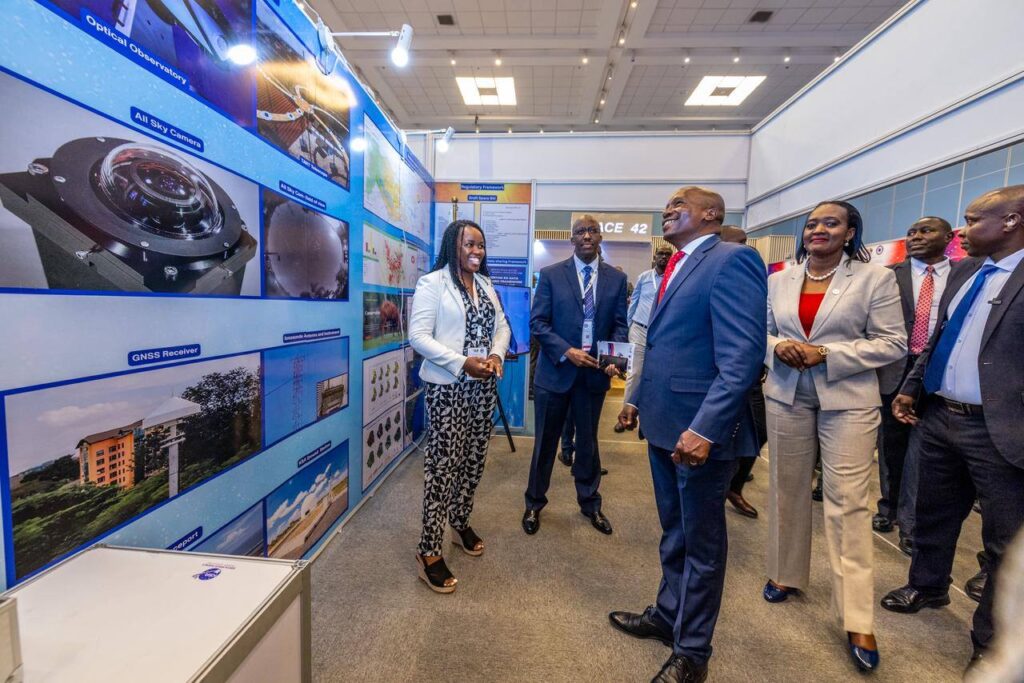
The Deputy President highlighted several achievements under the Kenya Kwanza administration, including the digitization of government services, expansion of public digital infrastructure, enhancement of internet connectivity, promotion of digital skills, investment in artificial intelligence, and strengthening of cybersecurity and data governance frameworks. These initiatives, he said, are helping Kenya build trusted and interoperable systems that support economic growth and improved public service delivery.
As a key pillar of the government, Prof. Kindiki has continued to play a critical role in supporting President Ruto’s development agenda. Through his coordination of government programs and engagement with stakeholders across the country, the Deputy President has helped advance policies aimed at accelerating digital transformation, improving governance, and ensuring efficient implementation of the administration’s Bottom-Up Economic Transformation Agenda (BETA).
Beyond Kenya, Prof. Kindiki urged African countries to invest in their own data capabilities to ensure the continent develops solutions based on its unique realities and priorities. He cautioned against excessive reliance on external data systems, warning that such dependence could create a new form of technological and developmental dependency that undermines Africa’s sovereignty and long-term growth prospects.
The Deputy President further called for increased financial investment in national and county-level data systems, emphasizing the need for inclusive, accurate, and community-driven information frameworks. He maintained that strengthening local data systems, protecting privacy, and promoting trust in digital platforms will be critical in supporting President Ruto’s vision of a modern, digitally enabled economy and in positioning Kenya and Africa for sustainable development in the years ahead