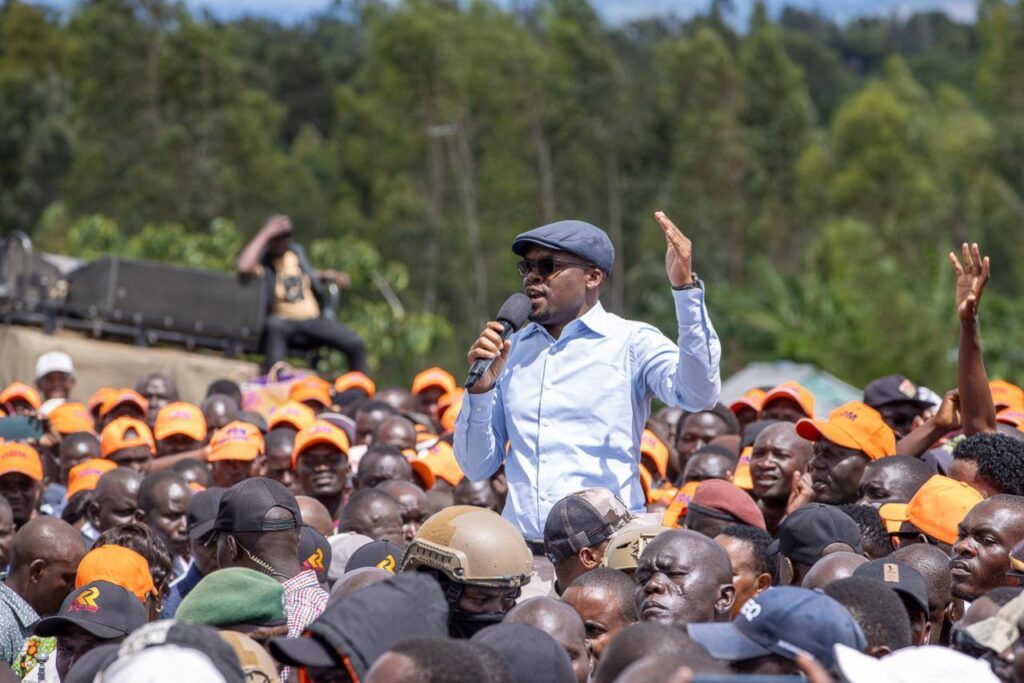
Homa Bay County is witnessing a major development push under the national government led by President William Ruto, with a clear agenda focused on infrastructure expansion, economic empowerment, and regional integration. Through strengthened national–county collaboration, the government is accelerating transformative projects aimed at unlocking the county’s economic potential and improving livelihoods across communities.
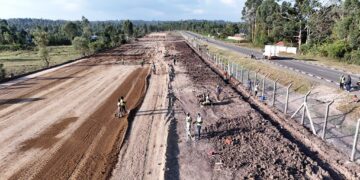
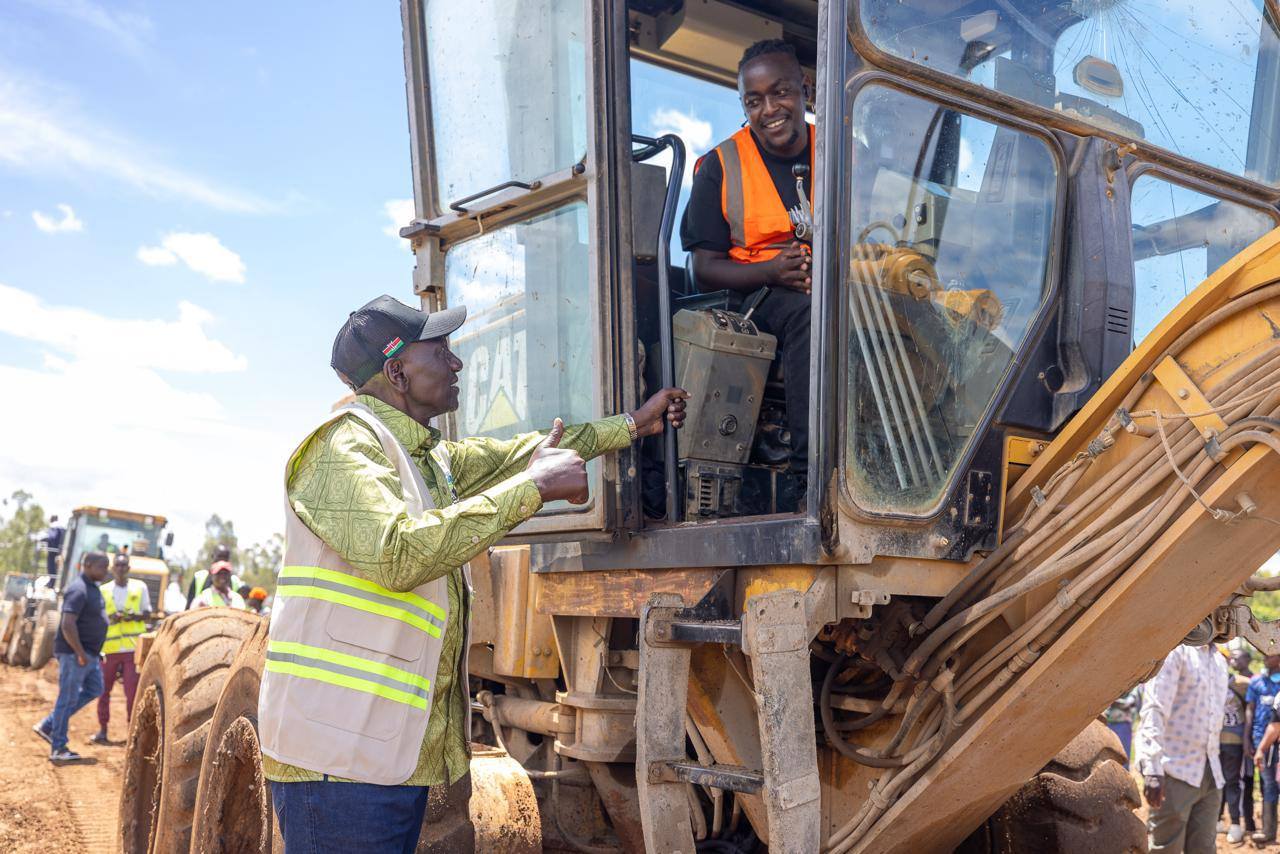
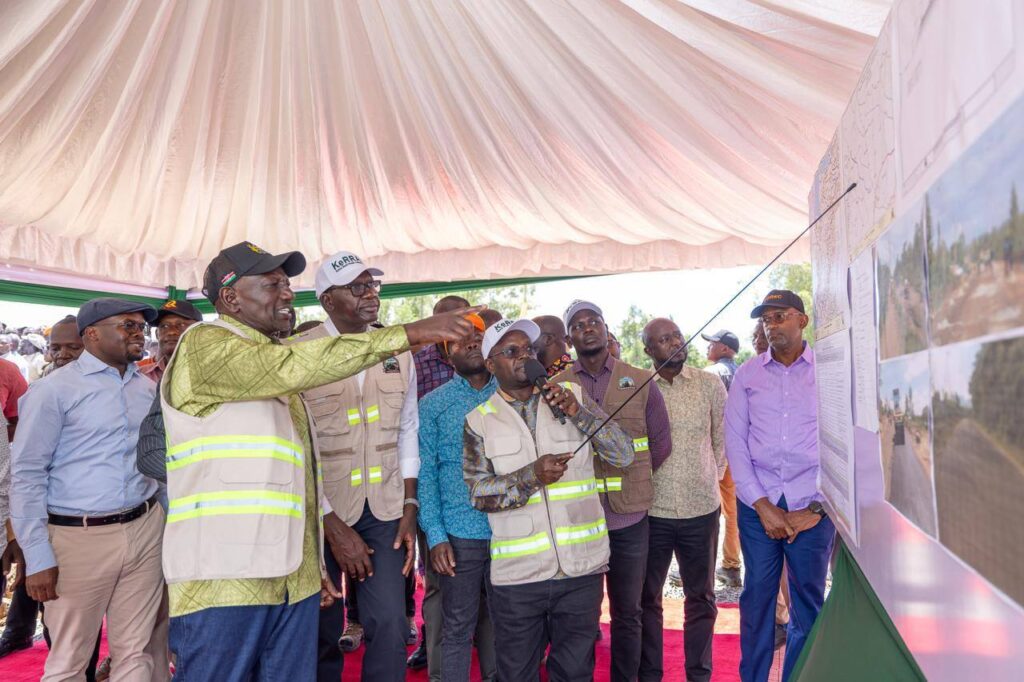
A central pillar of this agenda is the expansion of road infrastructure. The national government is currently constructing 298 kilometers of roads in Homa Bay County at a cost of KSh17 billion, with an additional 78 kilometers worth KSh5.6 billion in the pipeline. These projects are expected to enhance connectivity, ease transport, and stimulate trade. Ongoing tarmacking works in Homa Bay Town, including the Sofia–Arunda, Shauri Yako–Lala, and Nyalkinyi roads, are already reshaping the urban landscape.
Targeted projects such as the 18-kilometer Karabok–Adiedo Road in Karachuonyo Constituency, valued at KSh925 million, highlight the government’s commitment to improving rural access. Once complete, the road will significantly reduce travel time, improve access to essential services, and link farmers to markets, thereby boosting local economic activity.
The national government is also prioritizing air and maritime transport to strengthen regional connectivity. The ongoing expansion of Kabunde Airstrip is expected to open up Homa Bay to tourism and investment opportunities. Meanwhile, the rehabilitation of the Homa Bay Pier will enhance transport across Lake Victoria, facilitating trade and movement between counties and neighboring countries within the lake region.
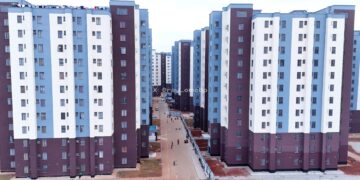
Urban development remains a key focus under President Ruto’s agenda. Projects such as the upgrading of the Front Lake Amphitheater and the redevelopment of Rio Loinga Stadium into a sports tourism hub are aimed at promoting tourism and social infrastructure. In addition, affordable housing initiatives linked to State Lodge development are addressing housing demand while generating employment.
In the agricultural and blue economy sectors, the national government is investing heavily to boost productivity and value addition. The construction of a modern fish market worth KSh345 million is set to transform fish handling and trade, benefiting thousands of fishermen. At the same time, the development of a 2,000-acre rice plantation is enhancing food security and creating jobs, with plans for further expansion.
Industrialization is another key priority under President Ruto’s development agenda. The establishment of a Leather Development Park is expected to support leather processing and manufacturing, while a Cotton Textile Industrial Cluster will promote value addition in cotton farming. A regional coffee milling plant is also being developed to strengthen cooperatives, improve product quality, and increase farmer earnings.
To ensure inclusivity, the government is also investing in youth empowerment and skills development. The Genowa Fundi Mang’ula Initiative provides fully funded six-month technical training in trades such as mechanics, welding, masonry, carpentry, and fashion design. Complementing this is the digitization of county services through a project monitoring and tracking platform, enhancing transparency, accountability, and efficient service delivery.
Overall, the development agenda being implemented in Homa Bay County under President William Ruto reflects a comprehensive strategy to drive economic growth, improve infrastructure, and uplift communities. By aligning national priorities with local needs, the government is laying a strong foundation for sustainable development and long-term prosperity in the region.