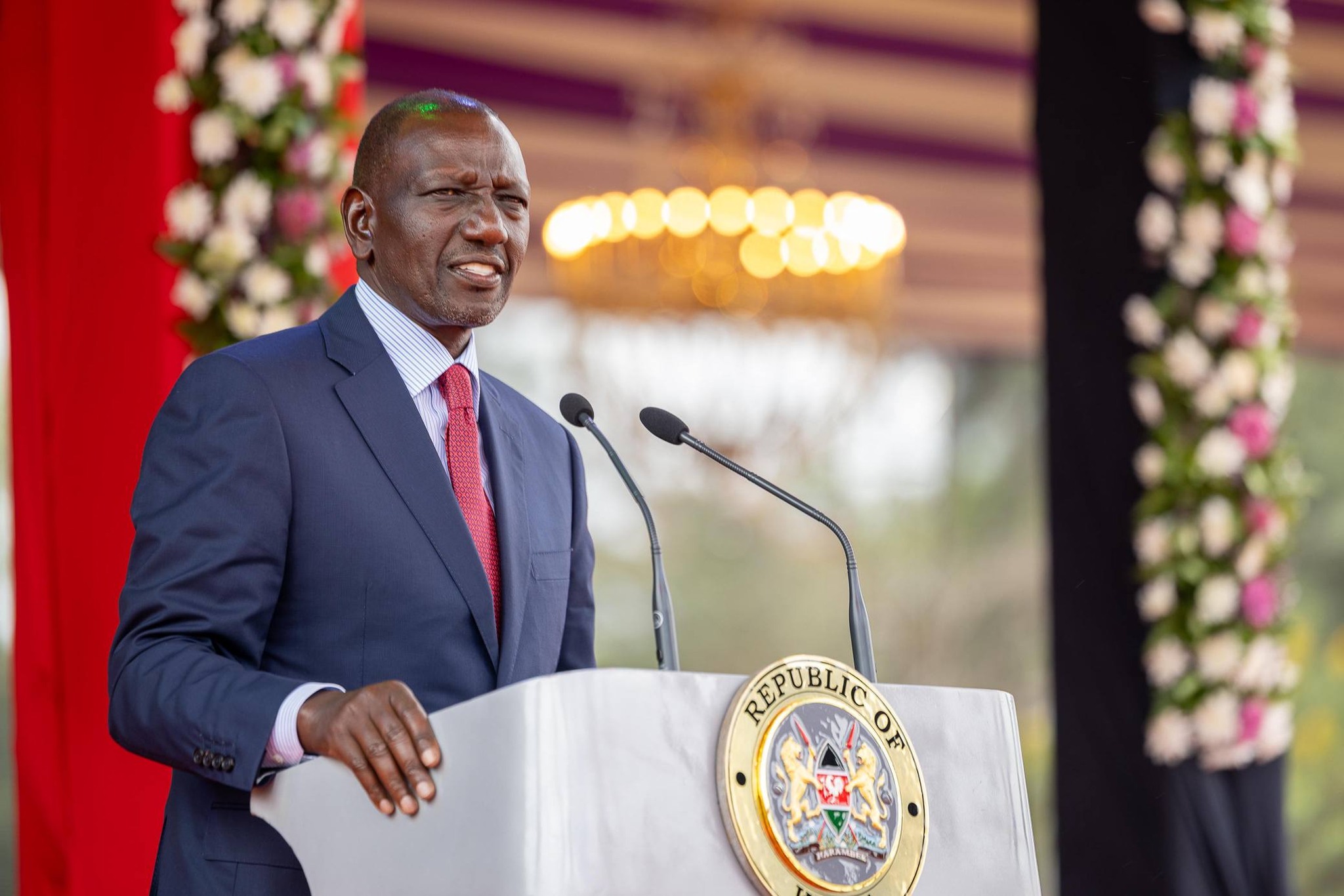
The Government has announced a major policy shift in its Affordable Housing Programme, reducing the deposit requirement from 10 percent to 5 percent in a move aimed at making home ownership more accessible to Kenyan workers. President William Ruto said the revised terms specifically target salaried workers, lowering the financial barrier that has previously limited uptake of housing units under the programme.
The reduction is expected to significantly widen access to affordable housing by easing the upfront burden on workers, many of whom struggled to raise the earlier 10 percent deposit. By cutting the requirement in half, the government is deliberately positioning the programme as inclusive and responsive to the realities of Kenya’s workforce, particularly low- and middle-income earners.
In addition to the deposit cut, the President called on Central Organisation of Trade Unions (COTU) and its affiliate unions to actively mobilise members to register on the Boma Yangu platform. This push is aimed at increasing participation and ensuring that more workers benefit from the available housing categories under the national programme.
The Head of State further assured workers that the government is addressing concerns around allocation, noting that cases of applicants who have not been served despite applying will be reviewed and resolved. This commitment signals a broader effort to enhance transparency, efficiency, and trust in the housing allocation process.
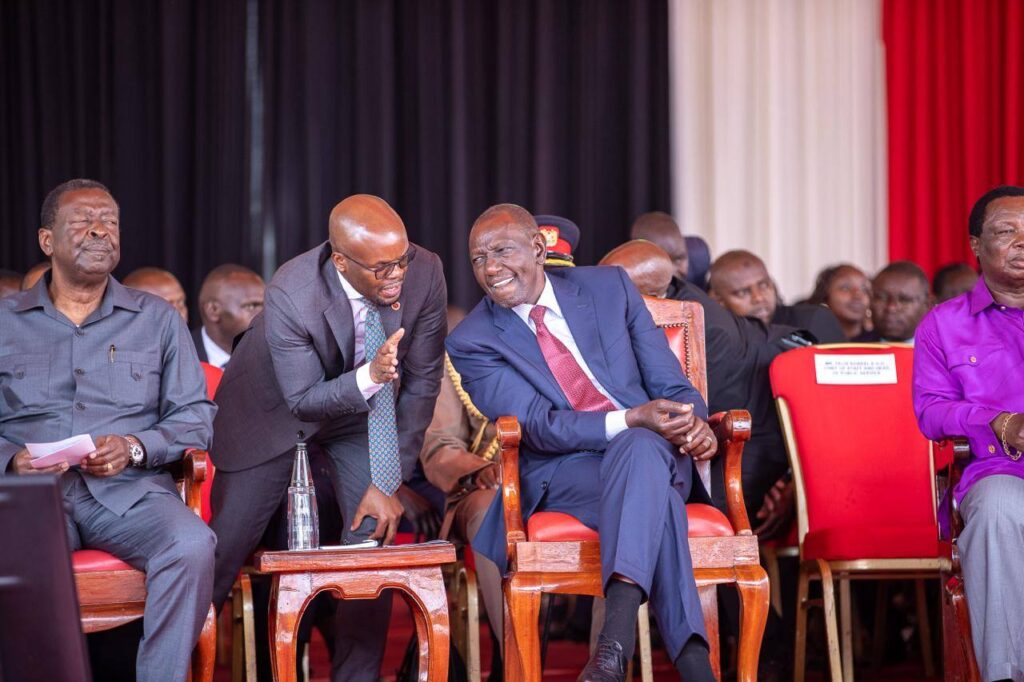
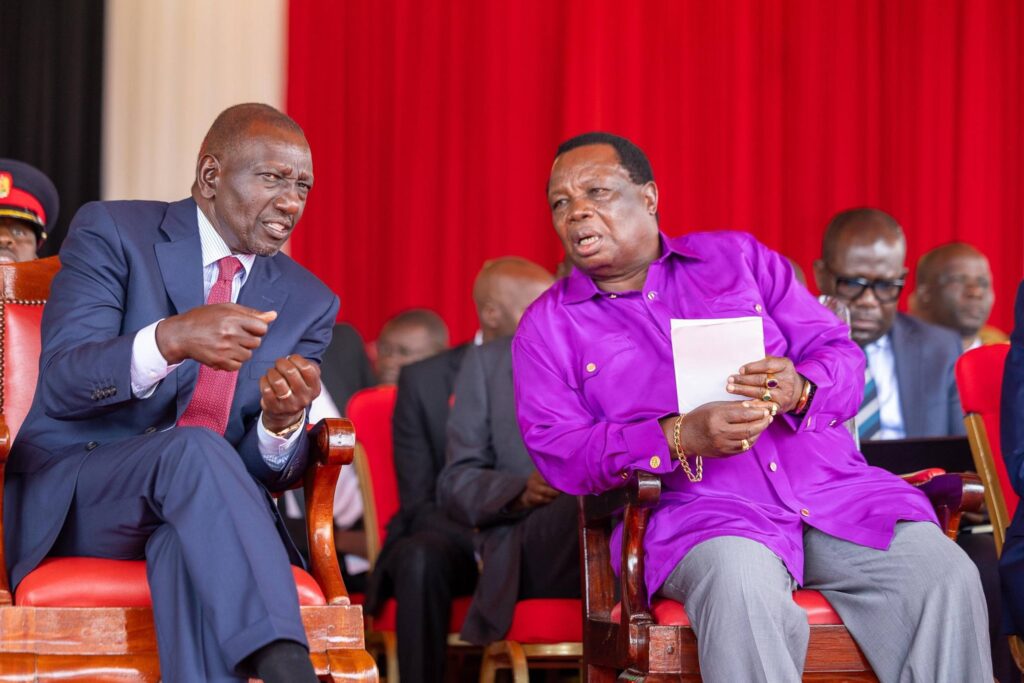
Speaking during Labour Day celebrations, President Ruto expressed appreciation to Kenyan workers for their continued support of key government programmes, including affordable housing, education, and healthcare reforms. He underscored the central role of workers in driving national development, describing them as the backbone of the country’s economic transformation.
On healthcare, the President highlighted ongoing reforms under the Social Health Authority (SHA), noting that the government is fine-tuning the system to improve service delivery. He announced the removal of restrictive tariff mechanisms, including temporary outpatient caps, which had been introduced to safeguard the fund but resulted in unintended challenges for beneficiaries.
He added that negotiations are underway to establish updated agreements that will deliver a seamless “walk-in, walk-out” healthcare experience with zero co-payment for public officers. These adjustments are part of a broader effort to ensure that healthcare reforms remain sustainable while prioritising accessibility and quality of care for all Kenyans.
Beyond housing and healthcare, the President reaffirmed the government’s commitment to protecting workers’ rights and advancing labour standards. He noted that Kenya is nearing ratification of key international frameworks, including ILO conventions on decent work for domestic workers and the elimination of workplace violence and harassment. Coupled with ongoing investments such as the KSh15 billion development projects in Vihiga County, the administration maintains that tangible progress is being made despite criticism, urging Kenyans to focus on measurable outcomes rather than negative narratives.