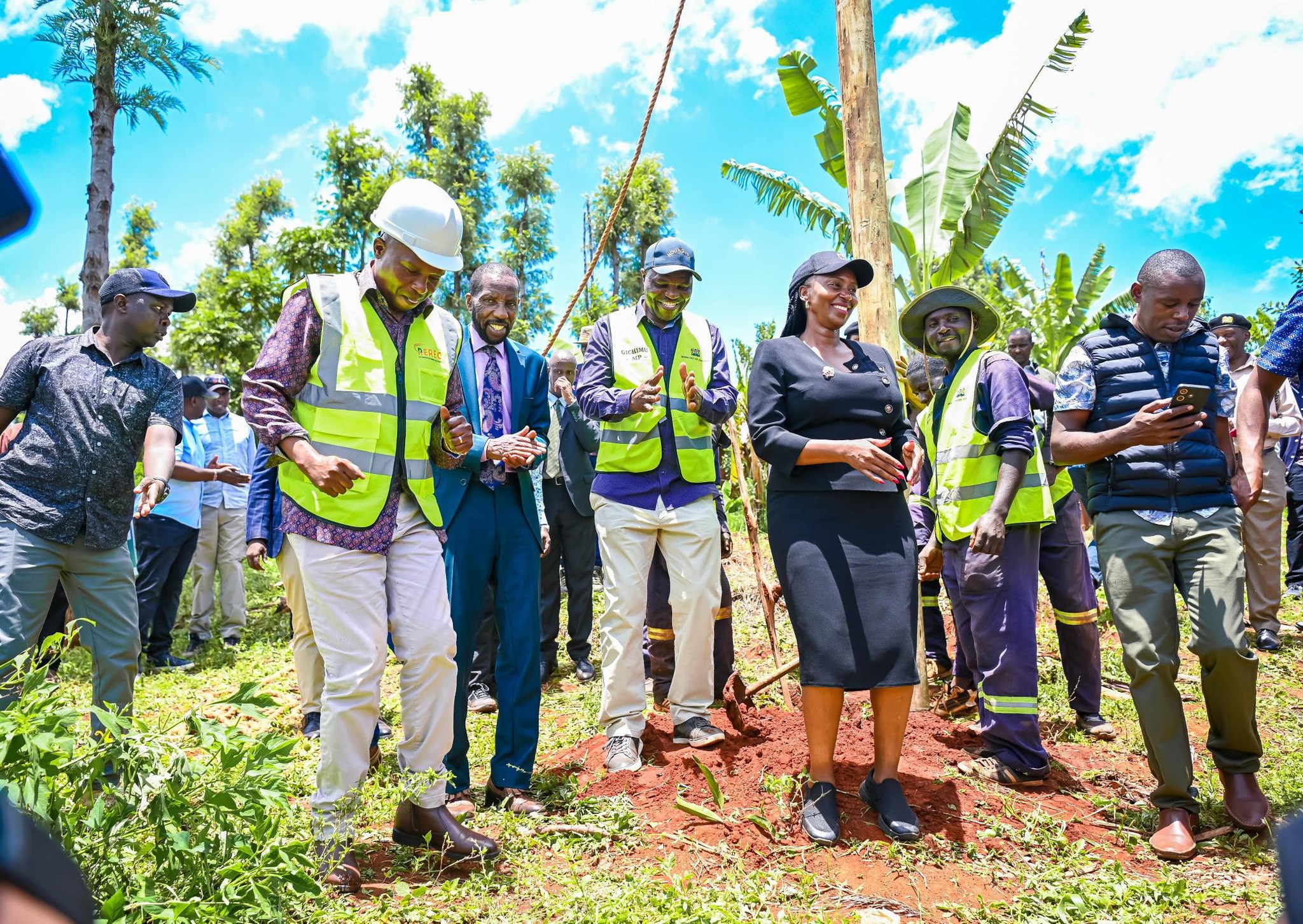
Deputy President Kithure Kindiki launched a KSh 440 million power expansion programme in Kirinyaga County, setting the pace for an accelerated nationwide push toward universal electricity access within the next four years. The initiative will connect thousands of new households to the grid, reinforcing the government’s commitment to delivering reliable power across the country and positioning electrification as a cornerstone of Kenya’s economic transformation and inclusive growth agenda. Kenya has stepped up its march toward universal electricity access that will connect thousands of new households and accelerate the government’s ambitious four-year electrification target. The project signals a renewed and more aggressive push to deliver reliable power to every corner of the country, positioning electricity access as a central pillar of economic transformation and inclusive development.
The Kirinyaga rollout reflects a strategic shift from broad national expansion to targeted last-mile delivery, where the remaining connectivity gaps are concentrated. With more than 10 million households already linked to the grid, the government is now focusing on harder-to-reach rural communities where infrastructure costs are higher but the development impact is most profound. The planned connection of 7,300 households in the county underscores a policy emphasis on equity, ensuring that rural regions are not left behind in the country’s modernization drive.
At the local level, the impact is expected to be immediate and transformative. Electrification is set to unlock new economic opportunities by enabling small businesses to operate more efficiently, extend working hours, and diversify services. In an agriculturally productive county such as Kirinyaga, access to power will support irrigation, agro-processing, and storage, strengthening value chains and reducing post-harvest losses. The result is a more resilient rural economy with stronger income-generating capacity
The social dividends are equally compelling. Schools connected to electricity are better equipped to adopt digital learning, while healthcare facilities can expand services through reliable lighting and powered medical equipment. For many households, formal grid access replaces unsafe and informal connections, improving safety and strengthening trust between communities and service providers.
From a national perspective, the expansion reinforces Kenya’s broader economic ambitions. Electricity access remains a foundational driver of industrial growth, productivity, and job creation. By extending power to underserved areas, the government is widening the base for small and medium enterprise growth while creating conditions for future industrial decentralization. This aligns with the long-term vision of building a more balanced and regionally inclusive economy.
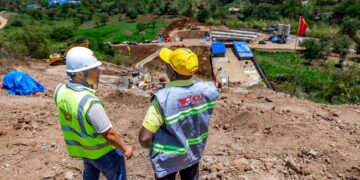
Delivering on this agenda requires significant infrastructure investment. Extending the grid into dispersed rural settlements involves the construction of new distribution lines, transformers, and substations, alongside last-mile connections to individual homes and institutions. The Kirinyaga programme, including projects such as the Kiaumbui electrification scheme, highlights the government’s commitment to tackling these technical challenges head-on while improving supply reliability.
Kenya’s strong renewable energy base adds further strategic value to the expansion. With a power mix dominated by geothermal and hydro sources, increasing access does not come at the expense of sustainability. Instead, it strengthens the case for clean energy-led growth, with opportunities to integrate decentralized solutions in areas where grid extension remains costly.
The initiative is closely aligned with the goals of Kenya Vision 2030, which places infrastructure at the heart of the country’s transformation into a middle-income economy. By closing the electricity access gap, the government is addressing a critical barrier to inclusive growth and reducing long-standing disparities between urban and rural regions.
Governance will be central to sustaining momentum. Effective coordination between national agencies, county governments, and implementing bodies will be required to ensure timely delivery and cost efficiency. Transparent procurement processes and strict oversight mechanisms will be essential in maintaining public confidence and maximizing the value of investment.
At the macro level, the implications are significant. Expanded electricity access enhances Kenya’s attractiveness to investors, lowers the cost of doing business, and strengthens its position as a regional economic hub. It also improves energy security by expanding demand and optimizing existing generation capacity.
In the long term, universal electrification has the potential to redefine Kenya’s socio-economic landscape. It is a catalyst for rural transformation, enabling greater participation in the digital economy, improving access to information, and unlocking new pathways for innovation and entrepreneurship. It also plays a critical role in poverty reduction by expanding opportunities and improving quality of life.
The Kirinyaga power expansion programme stands as a clear signal of intent. It reflects a government accelerating delivery on one of its most consequential development promises while demonstrating that the final phase of electrification, though complex, is within reach. The challenge now lies in maintaining execution discipline, ensuring accountability, and sustaining investment to fully realize the transformative potential of universal electricity access.