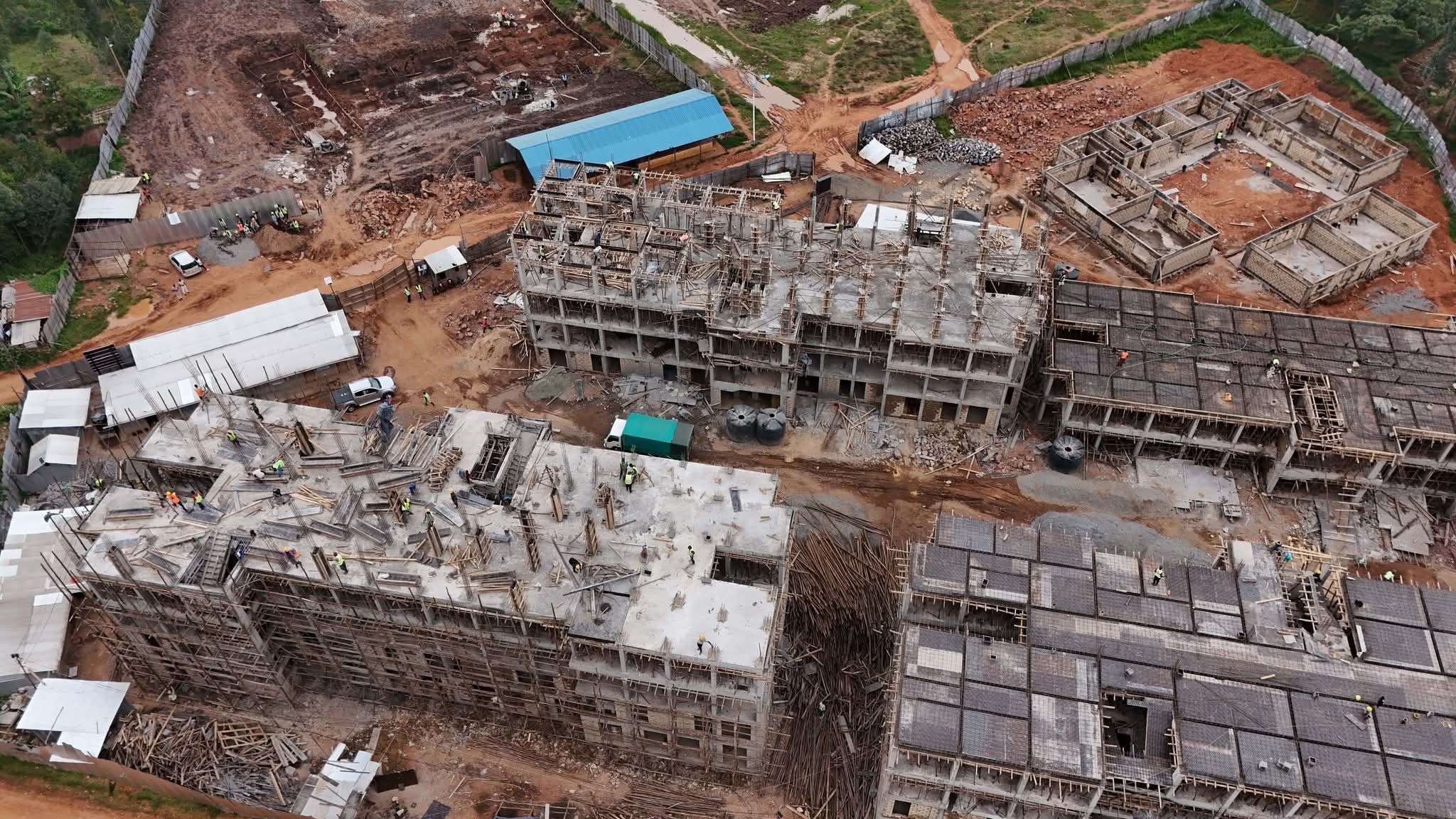
The government has moved to accelerate its affordable housing agenda with the handover of a Sh1.2 billion construction site in Suneka, Bonchari Constituency, marking a significant expansion of state-backed housing development into Kisii County. The project, which will deliver 500 housing units across social, affordable, and middle-income segments, signals a deliberate effort to anchor national housing policy within emerging regional urban centers.
Beyond its immediate scale, the Suneka development reflects a strategic recalibration of Kenya’s housing programme toward secondary towns that are experiencing rapid population growth but remain underserved by formal housing supply. By targeting such nodes, policymakers are not only addressing the national housing deficit but also attempting to rebalance urbanization away from traditional metropolitan concentrations.
The economic implications are immediate and multi-layered. Construction activity is expected to inject liquidity into the local economy through wages, procurement, and service demand. The emphasis on sourcing materials locally creates a direct stimulus for suppliers, transporters, and small-scale manufacturers, embedding the project within Kisii’s existing economic ecosystem. This localized value chain approach increases multiplier effects, ensuring that public investment circulates within the region rather than dissipating outward.
Employment generation stands out as a central pillar of the project’s impact. The construction phase is set to absorb a wide range of skills, from artisans such as masons and electricians to unskilled labor, providing short-term income opportunities while also facilitating skills transfer. The initiative to formalize competencies gained on-site introduces a longer-term benefit by enhancing employability in Kenya’s broader construction sector, where certification gaps have historically limited labor mobility and wage growth.
For small and medium-sized enterprises, the project opens new entry points into government-linked supply chains. Contractors, hardware vendors, and service providers are positioned to benefit from sustained demand over the project’s lifecycle. This has the potential to strengthen local business capacity and improve competitiveness, particularly if procurement processes remain accessible and transparent.
Socially, the development represents a shift toward dignified and planned living environments in peri-urban settings. The inclusion of essential infrastructure such as water, electricity, waste management, and shared amenities signals a move away from informal settlement patterns that have defined much of Kenya’s urban expansion. Access to structured housing can improve health outcomes, security, and overall quality of life, while also fostering more cohesive communities.
Suneka’s location along a key transport corridor enhances the project’s broader urban development potential. Improved housing stock is likely to attract complementary investments in retail, transport, and public services, reinforcing the town’s role as a commercial hub within the Kisii-Migori axis. Over time, such clustering effects can transform Suneka into a more integrated urban center, supporting regional trade and mobility.
At a national level, the project aligns closely with Kenya Vision 2030 and the government’s economic transformation agenda, which positions housing as both a social good and an economic driver. By integrating public oversight with private sector execution, the model reinforces public-private partnership frameworks that are essential for scaling housing delivery. Investor confidence in the sector is likely to improve if projects such as Suneka demonstrate timely completion, quality standards, and viable demand uptake.
The long-term benefits extend beyond physical structures. Increased home ownership can deepen financial inclusion by enabling households to build equity, while stable housing supports productivity and social mobility. The project’s focus on skills development also contributes to building a more capable workforce, which is critical as Kenya seeks to expand its construction and infrastructure sectors.
There is also a growing regional dimension to consider. As similar projects take shape across multiple counties, Kenya is positioning itself as a potential model for inclusive urban development in Africa. The combination of policy support, financing innovation, and localized implementation offers a framework that other countries grappling with housing deficits could adapt.
Ultimately, the Suneka housing project underscores a broader policy shift that treats housing not merely as shelter but as a catalyst for economic empowerment and equitable development. Its success will depend on execution discipline, sustained community engagement, and the ability to integrate housing with wider infrastructure and economic planning. If effectively delivered, it could reinforce confidence in Kenya’s capacity to translate ambitious housing goals into tangible outcomes that reshape communities and livelihoods.
President Ruto and Dangote Launch Lamu Refinery as Kenya Positions Coast for Maritime Transformation
30 September 2026 marked a major milestone in Kenya’s industrial and maritime development agenda as President William Ruto and Nigerian industrialist Aliko Dangote broke ground for the Dangote...
Read moreDetails