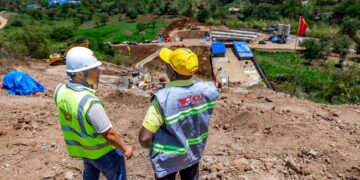
Kenya’s Affordable Housing Programme under the Bottom-Up Economic Transformation Agenda (BETA) is steadily reshaping the country’s urban and peri-urban landscape, positioning housing as a central pillar of socio-economic transformation. Across multiple counties, large-scale residential developments are rising, reflecting a deliberate shift toward people-centered infrastructure. These projects are not only addressing the housing deficit but are also redefining how communities live, work, and interact.
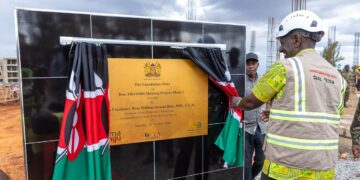
One of the standout projects is the Makenji Affordable Housing Project in Murang’a County, whose foundation stone was laid by William Ruto in February 2024. Since then, the project has made significant progress and is now approaching completion. It exemplifies the government’s commitment to delivering dignified and accessible housing while stimulating local economies.
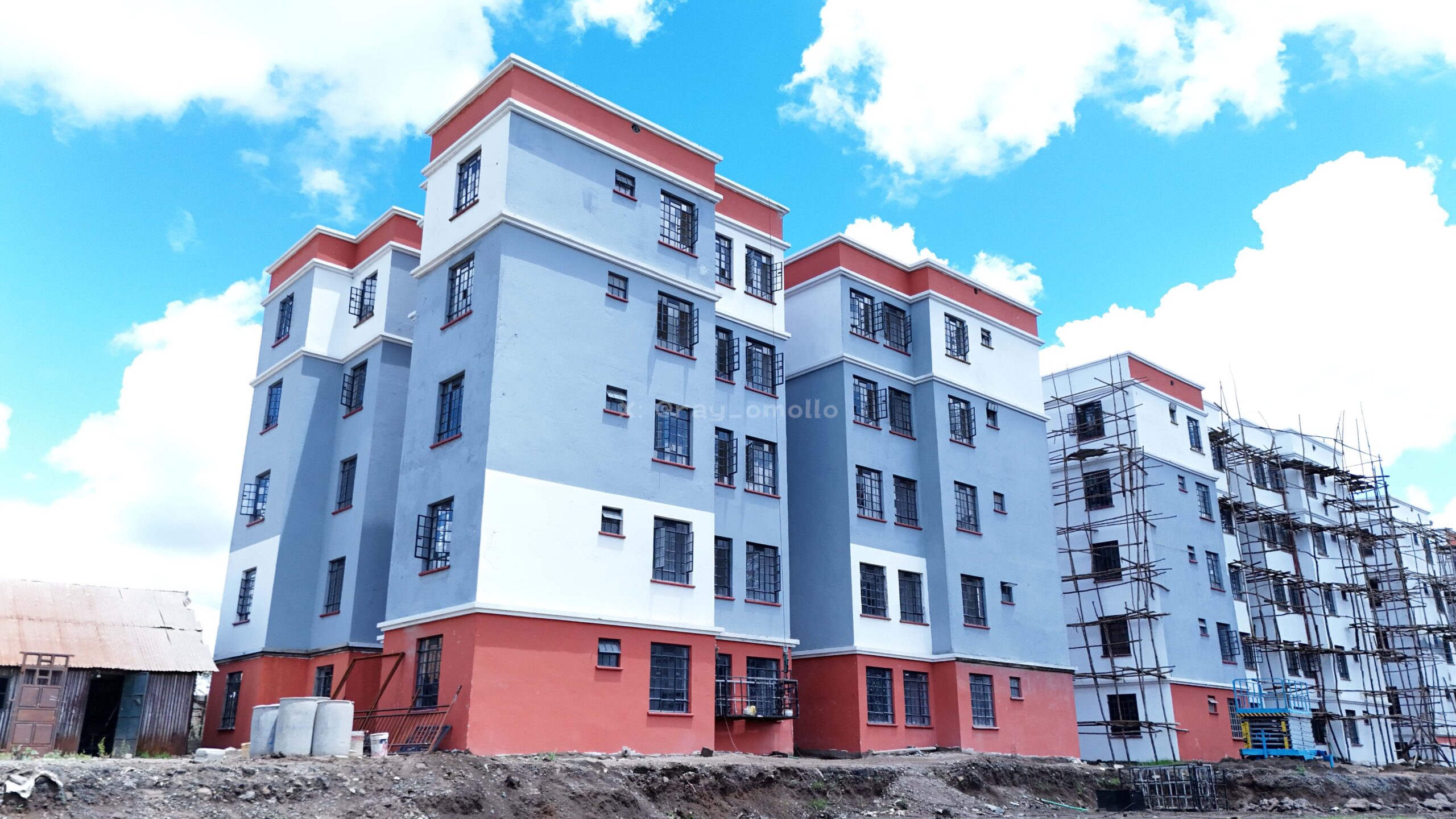
The Makenji project consists of nine residential blocks offering a total of 220 modern housing units. These include 60 three-bedroom units, 100 two-bedroom units, and 60 studio apartments, carefully designed to meet the diverse needs of families, young professionals, and individuals. The mix of unit types ensures inclusivity and affordability, catering to different income levels within the community.
Beyond providing shelter, the project is playing a transformative role in improving living standards. It represents a shift away from informal settlements and substandard housing conditions, replacing them with planned, serviced, and secure residential environments. This transition is critical in addressing the long-standing challenge of slums by offering decent, organized housing with access to essential amenities.
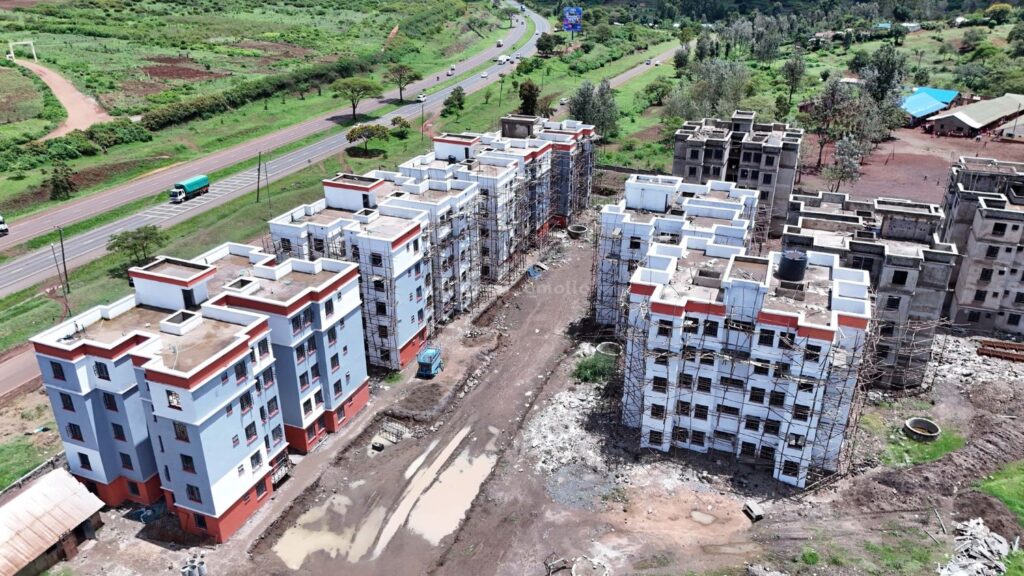
The economic impact of the project is already evident at the local level. Construction activities have created numerous employment opportunities, particularly for young people working on-site. In addition, the project has stimulated demand for goods and services, benefiting suppliers, transporters, hardware businesses, and food vendors. This ripple effect is helping to circulate income within the local economy and strengthen livelihoods.
The success of the Makenji Affordable Housing Project is also supported by the Ministry of Interior and National Administration, which plays a critical role in ensuring smooth implementation. Through coordinated oversight, community engagement, and the provision of a secure and enabling environment, the ministry has facilitated efficient project execution and strengthened public confidence in the initiative.
Importantly, Makenji is not an isolated case. Similar affordable housing projects are being replicated across the country, many of which are at advanced stages of completion. From urban centers to emerging towns, Kenya is rapidly transforming into a vast construction hub, with cranes and construction teams signaling a nationwide push toward modern housing and infrastructure development.
As these projects continue to expand, their long-term significance becomes increasingly clear. The Affordable Housing Programme is not only delivering homes but also creating jobs, reducing inequality, and improving the overall quality of life. By integrating economic empowerment with social development, the initiative is laying a strong foundation for sustainable growth while ensuring that more Kenyans can access safe, affordable, and dignified housing.