Uasin Gishu County has launched one of the most far-reaching irrigation interventions ever attempted at county level, committing to the construction of 23,000 on-farm water pans across 23 rural wards in a deliberate push to dismantle the structural fragility of rain-fed agriculture. Implemented under the National Agricultural Value Chain Development Project and in partnership with the Eldoret-Iten Water Fund, with financing from the World Bank and the Government of Kenya, the programme marks a decisive policy shift toward decentralized, farmer-led irrigation as the engine of rural transformation.
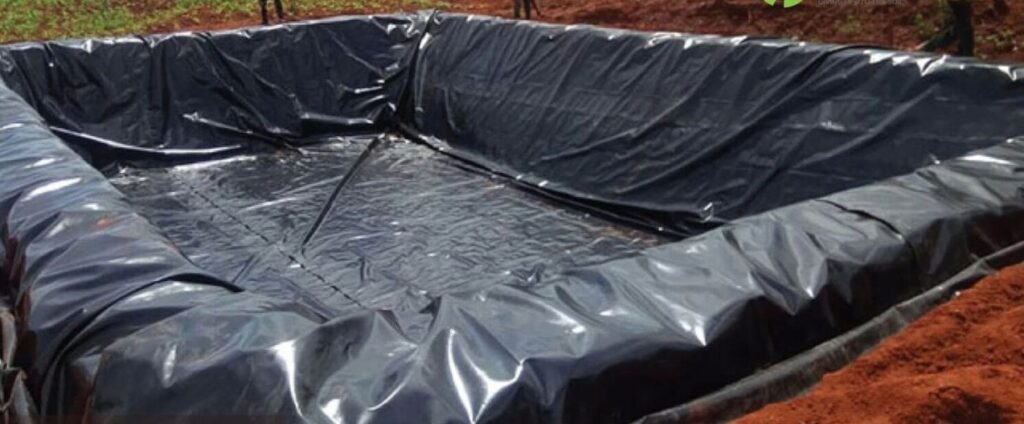
The scale alone is staggering. A target of 1,000 ponds per rural ward, excluding seven urban wards, represents not merely infrastructure expansion but a systemic redesign of how agriculture is practiced in the North Rift. By harvesting and storing runoff in water pans ranging from 100 to 1,250 cubic metres, expandable to 1,500 cubic metres, the county is effectively building a distributed water storage network intended to underwrite year-round production.
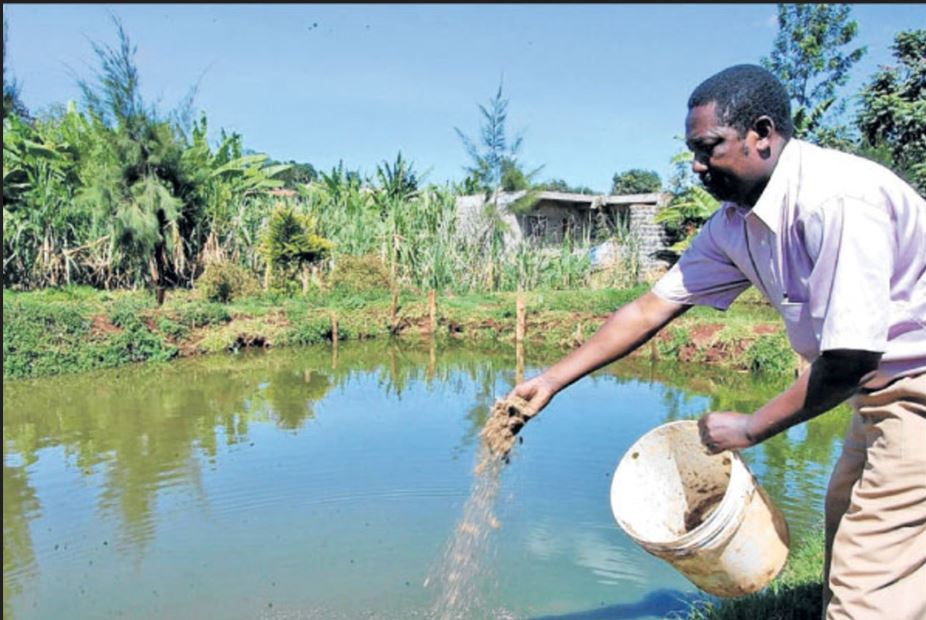
At its core, the initiative seeks to correct a long-standing vulnerability: overdependence on unpredictable rainfall. In a region increasingly exposed to climate variability, that dependence has translated into unstable yields, volatile incomes, and fragile food supply chains. By embedding irrigation directly at farm level under the Farmer-Led Irrigation Development model, the county is shifting responsibility and ownership to farmers themselves, reducing bureaucratic bottlenecks while strengthening local accountability.
The economic implications are profound. Reliable water access allows multiple cropping cycles, encourages diversification into higher-value horticultural crops, and creates the predictability required for contract farming arrangements. With projections of irrigating 2,300 acres, raising agricultural output by 50 percent, and integrating 5,750 households into full market participation by 2028, the county is engineering a productivity surge that could reposition Uasin Gishu as a regional irrigated agriculture hub.
Beyond farm gates, the multiplier effects ripple outward. Increased production stimulates demand for irrigation equipment, farm inputs, transport services, cold storage, and agro-processing. Youth employment opportunities emerge not only from pond excavation and liner installation but from expanded commercial farming activity. Stable output moderates seasonal price swings, strengthens supply chains, and enhances food security both locally and regionally.
The financing architecture reflects deliberate policy discipline. Farmers contribute 20 percent of excavation and liner costs, while development partners and the county subsidize the remaining 80 percent. This cost-sharing framework reduces moral hazard, deepens beneficiary commitment, and stretches public resources further. Ward-level oversight committees and Community Driven Development structures are designed to provide governance and accountability, though their effectiveness will hinge on strong monitoring systems and transparent reporting.
Operationally, the challenge is formidable. Scaling to 23,000 ponds requires rigorous engineering supervision, standardized liner quality, water-use safeguards, and expanded agricultural extension capacity. Irrigation without technical guidance risks inefficient water application, soil degradation, or crop failure. The county must therefore synchronize physical infrastructure with farmer training, technology adoption, and environmental oversight.
Strategically, the initiative aligns squarely with Kenya’s broader agricultural modernization and climate adaptation agenda. Expanding small-scale irrigation reduces vulnerability to drought shocks, stabilizes farm incomes, and accelerates the transition from subsistence plots to structured agribusiness operations. If effectively implemented, the programme offers a replicable model for climate-smart, farmer-driven water management across other counties.
Uasin Gishu is not simply digging ponds. It is laying the foundation for a structural shift in agricultural production, rural income stability, and regional competitiveness. The success of this high-stakes irrigation gamble will depend not only on construction targets, but on disciplined policy coordination, sustained financing, and the capacity of farmers to leverage water into productivity and profit. If those elements align, the county will have built more than water pans. It will have constructed a durable pathway toward food security, climate resilience, and long-term rural prosperity.