❝ At least 15,000 young Kenyans will get jobs once the construction of the Nairobi–Nakuru–Mau Summit and Nairobi–Maai Mahiu–Naivasha highways commences ❞
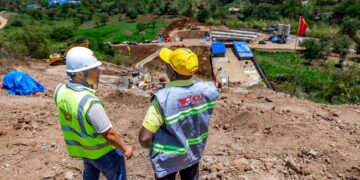
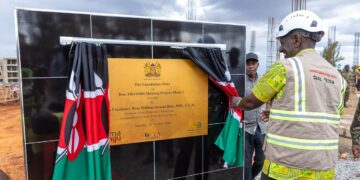
Kenya’s economic landscape is set for a major uplift following President William Ruto’s launch of the Sh170 billion Nairobi–Nakuru–Mau Summit and Nairobi–Maai Mahiu–Naivasha highway expansion, a project he hailed as a transformative milestone in the country’s infrastructure and job creation agenda. The President announced that 15,000 young Kenyans will be employed during the construction phase, marking one of the largest single-infrastructure employment boosts in recent years.
The 233-kilometre corridor—one of East Africa’s busiest transport routes—serves as a vital artery linking Kenya to Uganda, Rwanda, Burundi, South Sudan and the DRC. President Ruto emphasized that once complete, the upgraded highway will significantly ease cargo movement, cut travel time and reduce accidents, thereby strengthening Kenya’s position as the region’s leading transit and logistics hub. The project is expected to unlock new commercial opportunities and stimulate value chains across multiple counties.
Ruto underscored that the project was deliberately structured under a Public–Private Partnership (PPP) model to create widespread economic participation. By prioritizing local contractors, the government aims to deepen skills transfer, integrate small and medium enterprises into the supply chain and grow domestic construction capacity. “This project will build not just roads but careers, skills and livelihoods—with Kenyan workers taking the lead,” the President said, noting the expansive opportunities for technicians, engineers and youth.
He further framed the investment as a bold break from Kenya’s historical reliance on debt-driven development. For decades, the country grappled with limited financing models that slowed implementation of critical infrastructure. Ruto said the blended financing approach demonstrates Kenya’s ability to deliver world-class projects without overburdening taxpayers. “For too long we were stuck between borrowing, overtaxing or doing nothing. This project proves we can build smarter and still deliver transformation,” he remarked.
The President contrasted Kenya’s infrastructure trajectory with global benchmarks, noting that Kenya’s 22,000 kilometres of tarmacked roads since independence are modest compared to Japan’s one million kilometres in a similar timeframe. He said the new highway signals an overdue correction to years of underinvestment, one that will catalyse nationwide development and support rapid economic growth.
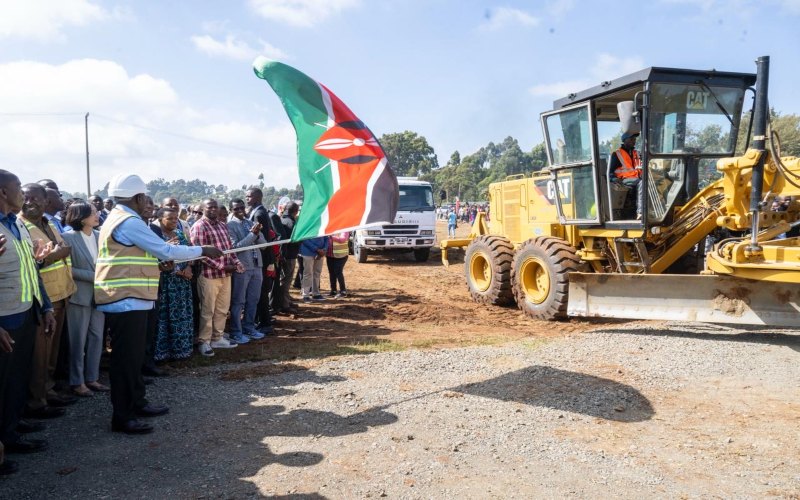
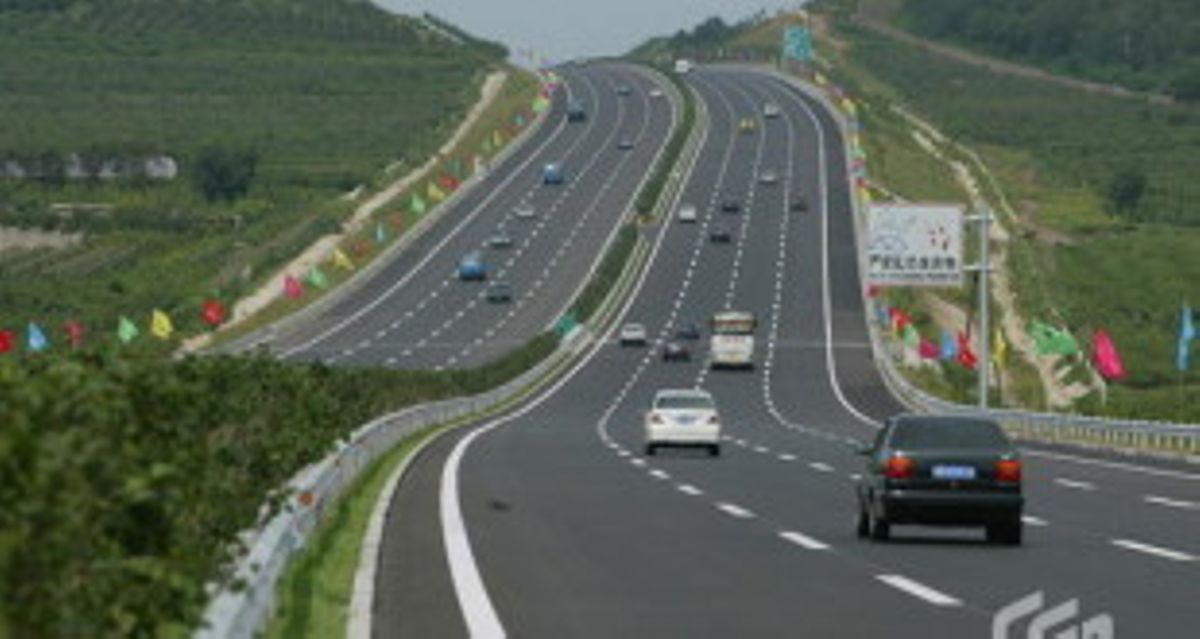
The expanded highway will feature dual carriageways, Intelligent Transport Systems (ITS), pedestrian bridges, modern drainage, road lighting, and strengthened pavement design along the heavy-cargo Maai Mahiu–Naivasha stretch. These upgrades will notably reduce congestion and improve safety, while boosting efficiency for long-haul transporters and businesses operating around the Naivasha Inland Depot. “Traffic has cost us lives, business time and billions. Today we say: no more,” Ruto declared.
Beyond easing mobility, the corridor will play a strategic role in opening up the trade route that connects Kenya to the wider East and Central African market, further enhancing the country’s export competitiveness. The President affirmed that the project represents a broader economic shift toward partnerships that lower business costs, attract investment and accelerate national development. “This road will cut travel time, save lives and unlock trade across the region,” he said, reaffirming the government’s commitment to infrastructure-led growth and inclusive prosperity.