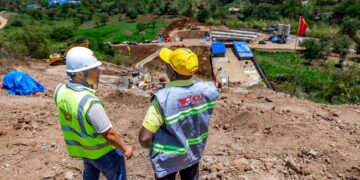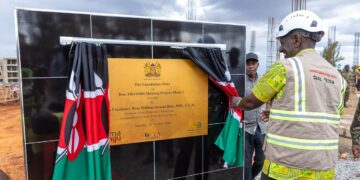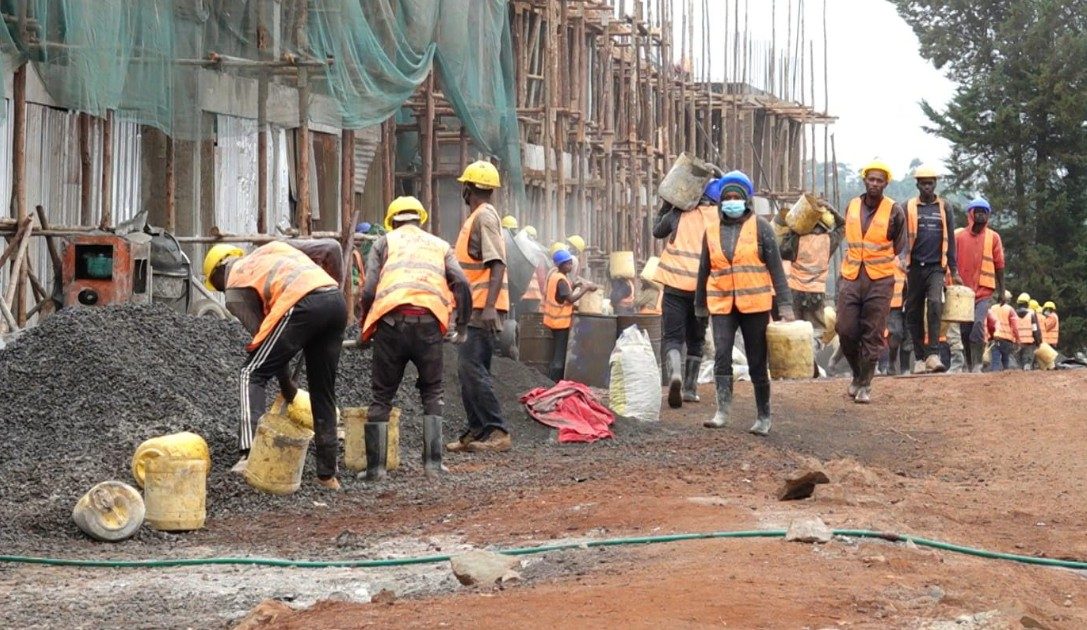
The Government’s Affordable Housing Programme, under the Bottom-Up Economic Transformation Agenda (BETA), continues to reshape communities across Kenya by providing decent shelter, creating jobs, and stimulating local economies. In Makenji, Murang’a County, the ongoing construction of 220 housing units has sparked renewed optimism among residents, marking a significant step toward addressing the country’s housing deficit. The initiative is not only transforming lives but also fueling economic growth through the creation of direct and indirect employment opportunities.
In Makenji, the project’s impact extends beyond housing. A modern market, now at 73 per cent completion, has become a key economic driver in the area, offering new business opportunities and better working environments for traders. Residents have welcomed the development as a life-changing opportunity, noting that the housing and market projects have already increased the area’s population and commercial activity. The two projects represent the government’s wider vision of revitalizing local economies through inclusive, people-centered development.
Local entrepreneurs have already begun to feel the positive ripple effects. Photographer Julius Mwangi noted that Makenji has witnessed remarkable transformation since the projects began, citing improved business and social vibrancy. “Makenji has changed and grown due to the Affordable Housing and the new market. It gives hope to residents,” he said, adding that even small business owners like him have seen a surge in opportunities. The development has brought with it a wave of optimism, particularly among the youth who have found new sources of income during the construction phase.
Veteran trader Margrate Mathu, who has operated in Makenji for over two decades, expressed relief that the new market will finally offer traders a safe, modern, and weather-resistant space. She said that unpredictable rains often disrupted business and drove away customers. “When it rains, we face losses because customers cannot access us. The new market, combined with better access to capital, will transform our livelihoods,” she explained. She added that the ongoing construction had already boosted sales and created opportunities for local suppliers and transporters.
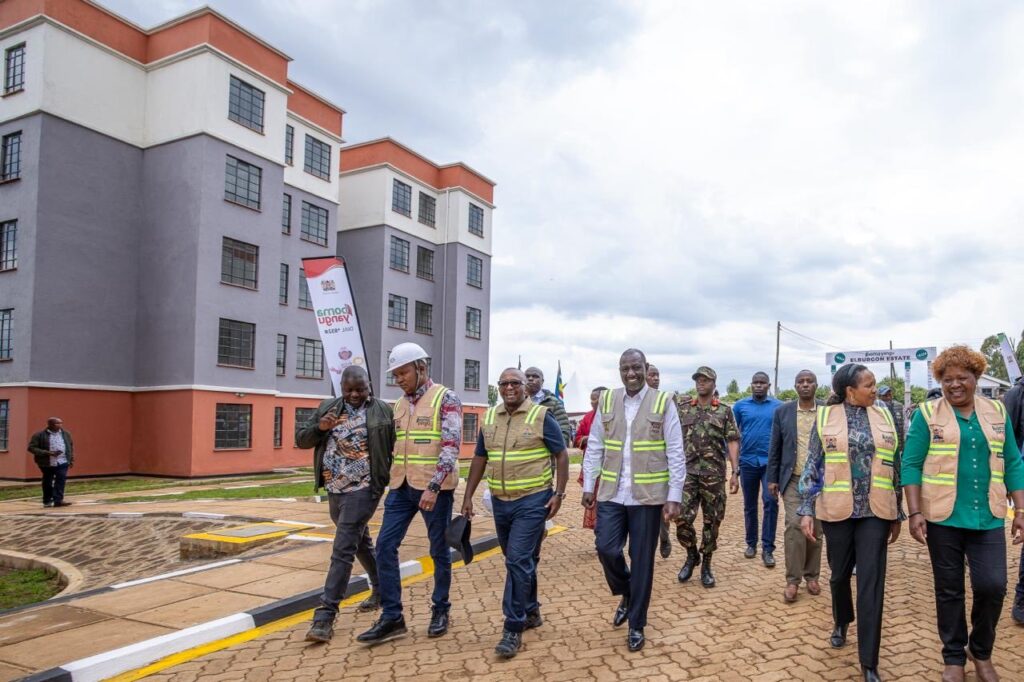
Across Kenya, affordable housing projects in Nairobi, Kirinyaga, Laikipia, Embu, Nakuru, Mombasa, Kisumu, Homa Bay, and other counties are rewriting the story of urban development. By blending infrastructure growth with employment creation, these projects are reducing the burden of unemployment while ensuring that low- and middle-income earners access decent, affordable homes. The programme, which targets the delivery of 500,000 housing units, stands as a flagship component of the BETA agenda — an initiative focused on inclusive economic growth from the bottom up.
Local leaders have urged residents to embrace these transformative opportunities. They emphasize that the Affordable Housing and modern markets are not merely about buildings, but about restoring dignity, empowering families, and fostering self-reliance. Residents have been encouraged to take advantage of the available jobs and business opportunities, ensuring no one is left behind in the country’s development drive.
Ultimately, the transformation taking place in Makenji mirrors a broader national vision of prosperity and social renewal. Affordable housing is proving to be a game changer — reducing poverty, uplifting communities, and bridging Kenya’s social inequalities. As more projects rise across the nation, they continue to demonstrate that when government investment meets community participation, the result is lasting change — dignified living, stronger economies, and a brighter future for all Kenyans.