President William Ruto’s Bottom-Up Economic Transformation Agenda (BETA) is steadily taking shape, with visible progress in agriculture, housing, employment creation, the creative economy, the blue economy, and county empowerment. Speaking in Awendo, Migori County, during a leadership forum at the South Nyanza Sugar Company (SONY), the President reiterated that reforms being implemented are designed to uplift millions of Kenyans by creating opportunities and reducing the cost of living. He emphasized that political rhetoric from opposition figures cannot derail his government’s commitment to delivering on promises made to the people.
Agriculture remains the backbone of BETA, with sweeping reforms to revive the sugar industry and empower farmers. The government has introduced a framework to ensure farmers are paid promptly for cane deliveries and receive bonuses similar to other cash crop farmers. In January, Ruto issued bonus cheques worth Sh150 million to Mumias sugar farmers, marking the first such initiative in the sugar sector. With increased investment, the President expressed optimism that Kenya will become a net exporter of sugar by 2027. Moreover, the Lower Kuja Irrigation Scheme in Nyatike has been allocated Sh500 million to expand irrigation acreage and establish a private rice mill, ensuring farmers access markets and improved incomes.
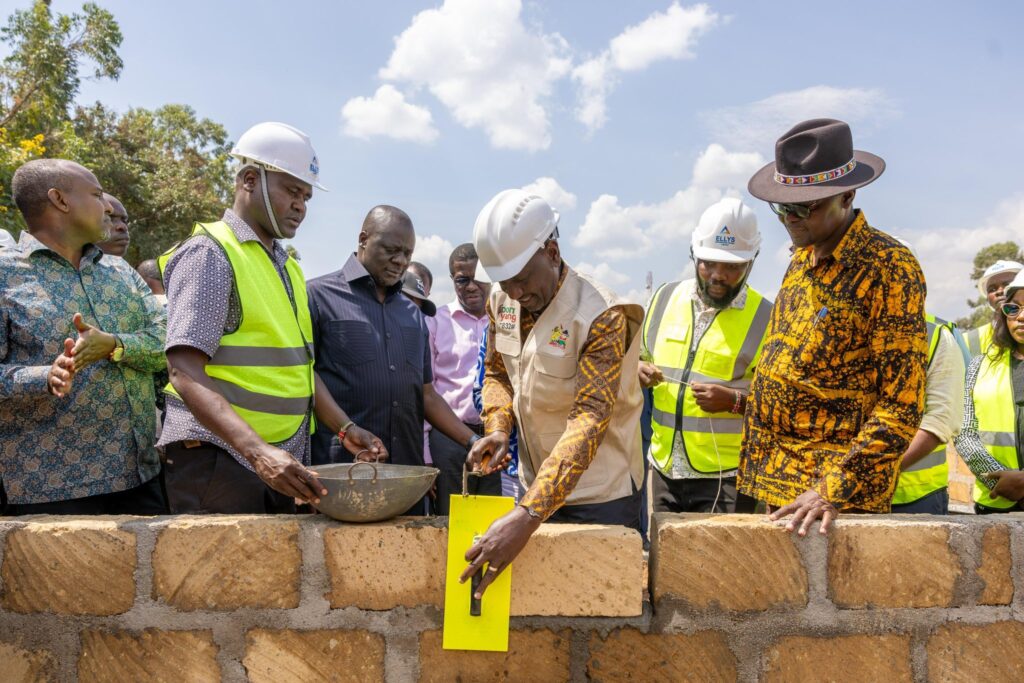
The affordable housing agenda is another cornerstone of BETA, bringing both social impact and job creation. In Migori, Ruto launched a Sh15 billion project to construct 7,800 housing units, with the Mabera Sub-County project nearing completion. The government is also building 7,500 hostel units across 15 learning institutions, including Rongo University and several TVETs, ensuring affordable accommodation for students. To further stimulate trade and small-scale businesses, the administration is constructing 18 modern markets in Migori County alone, with eight already under construction. These projects are creating jobs for youth and offering local communities dignified housing and business spaces.
The government’s reforms have also created employment opportunities for millions of Kenyans, especially the youth. Through the Jitume digital platform, young people are accessing online jobs, while bilateral labour agreements have enabled more than 430,000 Kenyans to secure employment abroad in the last three years. Additionally, grants and loans through the Youth and Women Empowerment Funds are supporting entrepreneurship, while initiatives like the Nyota Programme and the Climate Work–Kazi Mtaani are set to employ over one million youth in total. These interventions not only reduce unemployment but also stimulate innovation and local economic growth.
Kenya’s creative economy is equally booming under the BETA agenda. The government has pledged robust reforms to position the arts and digital content industries as major contributors to GDP. Through policies enforcing royalty payments and expanding digital earnings platforms, creators are empowered to reap the benefits of their work. This reform is projected to elevate the creative economy into a multi-billion-shilling industry, placing Kenya firmly on the global cultural map while unlocking opportunities for artists, musicians, and innovators.
The blue economy is another strategic pillar, with the government investing in fisheries, ports, and coastal infrastructure to maximize Kenya’s maritime potential. By modernizing fishing methods and ensuring sustainable exploitation of marine resources, thousands of coastal residents stand to benefit from expanded markets and improved incomes. Parallel to this, the government is boosting counties with increased allocations to ensure devolved units can deliver better services. With enhanced funding and clear public finance laws, county governments are empowered to focus on development priorities, clear pending bills, and drive grassroots growth.
President Ruto has underscored that Kenya’s economy is now ranked sixth in Africa, a reflection of strong economic reforms and fiscal discipline. Inflation has dropped from 9.6% in 2022 to 4% in 2025, while Sh21 billion has been injected into Universal Health Coverage (UHC) to ensure free outpatient medical services in public health facilities. “Our commitment is clear,” Ruto said. “We will continue to deliver on our promises and ensure Kenyans feel the impact of BETA in their daily lives.” He emphasized that the government’s development agenda is issue-based and people-centered, not tied to political slogans.