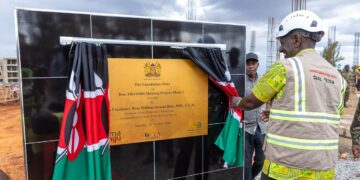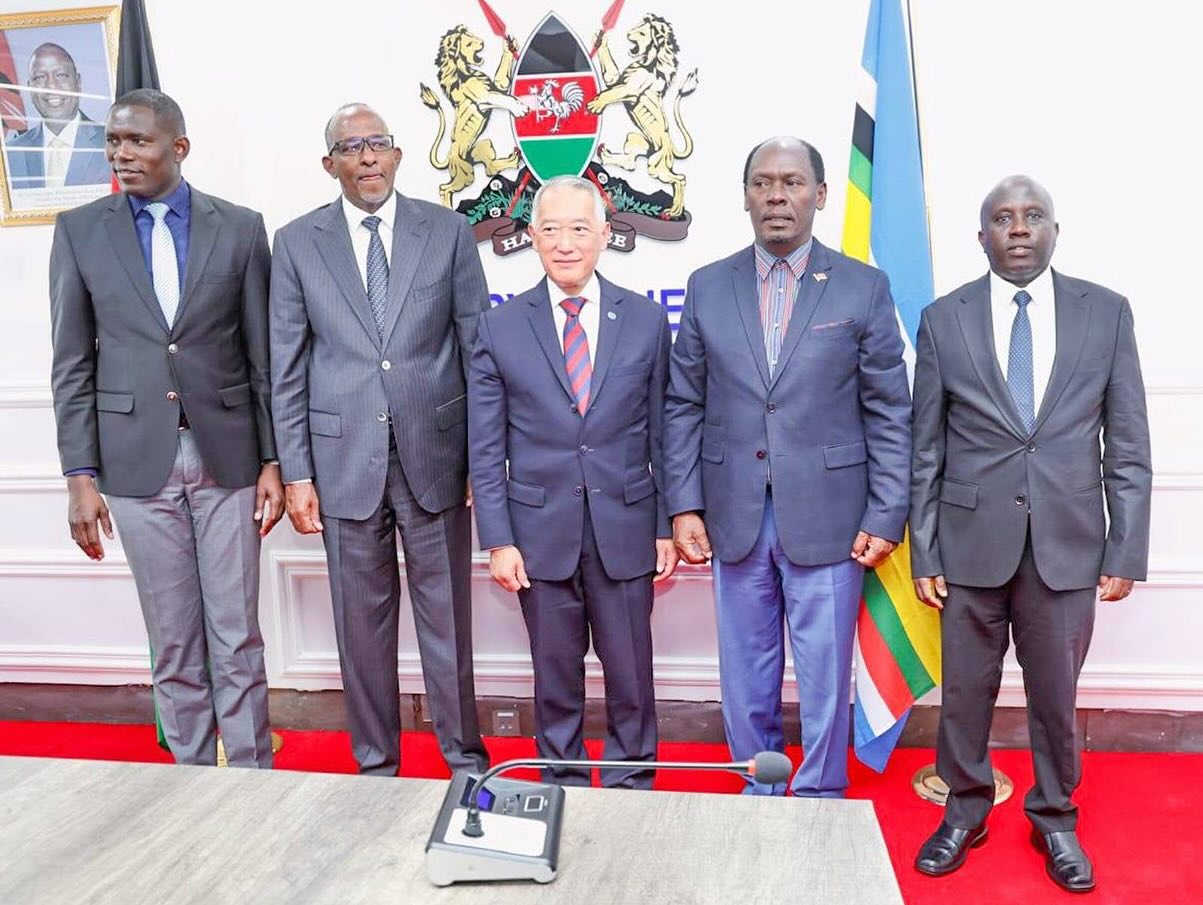
The government has announced plans to construct a USD 250 million vaccine manufacturing plant at Konza Technopolis in a strategic partnership with the International Vaccine Institute (IVI) and the Korea Advanced Institute of Science and Technology (KAIST). The facility, which will be a key pillar of Kenya’s bio-manufacturing strategy, is designed to boost local vaccine production, enhance research capacity, and position the country as a regional hub for Africa’s vaccine needs.
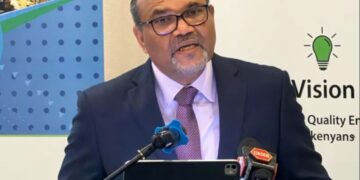
The high-level meeting at Afya House, chaired by Health Cabinet Secretary Hon. Aden Duale and Information, Communications and Digital Economy Cabinet Secretary Hon. William Kabogo, brought together a delegation from IVI led by Director General Dr. Jerome Kim and senior officials from KAIST. Discussions centered on accelerating Universal Health Coverage through strengthened vaccine self-reliance, integration of advanced research technologies, and robust health data protection policies.
The Konza Technopolis plant will be the most advanced vaccine manufacturing facility in Kenya and one of the most significant in the region. It will not only meet domestic demand for vaccines but also supply neighboring countries, reducing reliance on imports and mitigating the risks of global supply chain disruptions. The project is expected to generate high-value jobs in biotechnology, engineering, and clinical research while creating opportunities for local suppliers and contractors.
An equally important component of the partnership is the upcoming collaboration between KAIST and K-AIST in Kenya, which will focus on bio-vaccine research and innovation. This includes the adoption of artificial intelligence in vaccine development, aligning with Kenya’s Digital Economy Blueprint. Integrating AI-powered biomedical research into the healthcare system will improve disease surveillance, speed up development timelines, and enhance the precision of vaccine design.
Kenya’s leadership role is reinforced by its hosting of the African Vaccine Manufacturing Accelerator (AVEC) Africa Project Office, which is tasked with developing the entire vaccine production value chain from research to delivery. Early-stage projects such as the oral cholera vaccine collaboration with Biovac in South Africa highlight the practical steps being taken to achieve vaccine self-sufficiency on the continent.
The initiative will deliver significant benefits, including the transfer of advanced manufacturing skills, upgrading of laboratory facilities, and improved coordination of health data systems. CS Kabogo reaffirmed the government’s commitment to supporting biomedical research, strengthening digital infrastructure for healthcare, and ensuring that policies safeguard the integrity of health data.
In the long term, Kenya stands to become a continental hub for biomedical innovation, capable of responding swiftly to public health crises and providing leadership in African health diplomacy. This capacity will enhance the country’s influence in global vaccine development discussions, particularly through its active participation in the IVI Global Council.
Bilateral relations between Kenya and South Korea are set to deepen as the partnership grows. South Korea’s technological expertise and Kenya’s strategic ambition create a strong foundation for future collaboration not only in healthcare but also in education, technology transfer, and industrial development. The presence of representatives from the Korean Embassy at the meeting underlines the diplomatic significance of the agreement.
Kenya’s decision to join the IVI in June 2024 as one of six African member states was a critical step toward aligning with global efforts to improve vaccine access and health security. By doing so, Kenya has positioned itself to benefit from international networks, funding, and knowledge sharing, all of which are essential for achieving vaccine self-reliance.
The social benefits of this project cannot be overstated. Improved vaccine availability will help reduce child mortality, control infectious diseases, and strengthen community health systems. This will not only improve quality of life but also reduce the economic burden of illness, enabling more resources to be directed toward development priorities.
With strong political backing, world-class scientific collaboration, and a clear policy framework, the USD 250 million Konza Technopolis facility will be a landmark achievement for Kenya and Africa. It represents a bold and forward-looking strategy that blends science, technology, and diplomacy to deliver long-term health and economic benefits.
Deputy President Kithure Kindiki has reaffirmed his unwavering commitment to supporting President William Ruto in delivering transformative development projects across the country, as he embarked on an extensive...
Read moreDetails