Kenya and the Federal Republic of Germany technical teams are jointly working on a comprehensive labour mobility partnership agreement to enhance youth empowerment through global linkages and practical job exposure. The pact provides a structured legal framework for the employment of Kenyan workers in sectors facing acute labour shortages across Germany.
The bilateral pact, developed through extensive technical consultations between the two governments, is a strategic response to Germany’s growing labour demands caused by demographic shifts, with retirements outpacing new entrants into the workforce. At the same time, it provides Kenya with a practical solution to high youth unemployment by creating access to quality jobs, training, and skill development abroad.
Labour and Skills Development Principal Secretary Shadrack Mwadime, who led the Kenyan delegation to Germany, highlighted that the agreement is more than a labour export framework. He described it as a gateway to global exposure, technical skills transfer, and long-term economic benefits for Kenya. “Kenya is actively positioning its human capital to contribute to international economies while addressing domestic unemployment challenges. This agreement reflects a mutual commitment to workforce development, ethical migration, and economic growth,” said Mwadime during his address in Frankfurt.
Among the key features of the agreement are the mobility of both skilled and semi-skilled Kenyan workers to Germany, enhanced vocational training opportunities, alignment of Kenya’s skills development programs with international standards, and mechanisms for safeguarding workers’ rights. The deal also includes structured pathways for apprenticeships, student training, and industrial attachments, ensuring Kenyan youth are adequately prepared for integration into Germany’s high-performing economy.
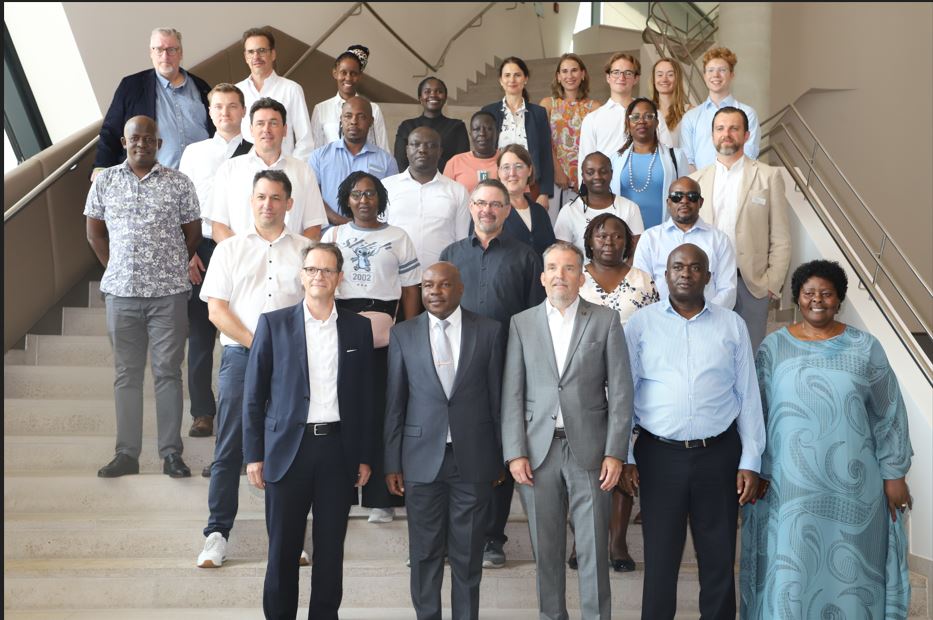
The practical impact of the agreement was evident during the Kenyan delegation’s visit to Rothenberger, a global manufacturer of pipe tools headquartered in Frankfurt. The company, which employs over 3,000 people and generates around 1 billion euros annually, is representative of the type of firms looking for skilled technical labour. Discussions between Rothenberger executives and the Kenyan team centered on job placements in specialized fields such as hydraulic engineering, milling, industrial design, and equipment maintenance. These are areas where Kenyan trainees and graduates, if well-equipped, could thrive.
Further engagements were facilitated by the German Chamber of Commerce and Industry (IHK), where the Kenyan delegation met representatives from 24 German companies. Conversations focused on the specific skills German employers are looking for, how Kenya can tailor its training systems to meet those expectations, and strategies to ensure the smooth cultural and professional integration of Kenyan workers.
Mwadime emphasized that for the agreement to succeed, Kenyan job seekers must prepare both technically and culturally. He urged prospective applicants to learn the German language, not only to meet work requirements but also to integrate socially and build meaningful lives abroad. “Our youth must be prepared not just with technical competencies but with a global mindset and adaptability. International partnerships like this one are essential for closing the skills gap and unlocking global opportunities,” he said.
Short-term, the agreement is expected to facilitate job placements for Kenyan youth in sectors such as healthcare, manufacturing, information technology, and engineering. Long-term, the experience gained by these workers will contribute to Kenya’s economic growth through remittances, increased foreign exchange, and the return of highly trained professionals who can help grow domestic industries.
For Germany, this agreement is a timely solution to an increasingly urgent labour shortage, enabling industries to maintain productivity and innovation by tapping into Kenya’s dynamic and youthful workforce. The partnership also serves as a model for how migration can be managed ethically and beneficially when built on legal and structured cooperation.
The Kenyan government is already initiating processes to operationalize the agreement. Institutions are aligning vocational training curricula with German industry requirements, job placement agencies are being briefed, and campaigns encouraging language acquisition and cultural preparation are being rolled out.
This deal also reinforces Kenya’s foreign policy priority of economic diplomacy. By using skilled human capital as a bridge to stronger international relations, Kenya continues to establish itself as a proactive and solution-oriented partner on the global stage.
In conclusion, the Kenya-Germany Labour Mobility Partnership is more than a bilateral deal. It is a catalyst for social mobility, youth empowerment, and long-term economic transformation. With thousands of jobs expected to be unlocked through this agreement, Kenya is taking a bold step toward becoming a global exporter of skills, while deepening its ties with one of Europe’s most advanced economies.
Kenya and Bangladesh are stepping up efforts to expand trade, investment and technical cooperation, with Nairobi seeking to establish a resident diplomatic mission in Dhaka and open new...
Read moreDetails