The World Bank’s approval of Sh71 billion for the upgrading of the Isiolo–Mandera road corridor marks a transformative milestone for Kenya’s infrastructure and regional integration agenda. The investment is expected to significantly enhance connectivity in northern Kenya, a region that has historically lagged behind in development due to poor transport and communication networks. By improving one of the country’s most strategic transport corridors, the project is set to unlock new economic frontiers.
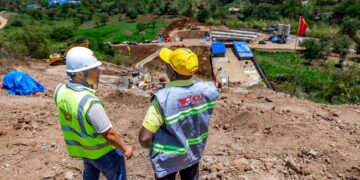
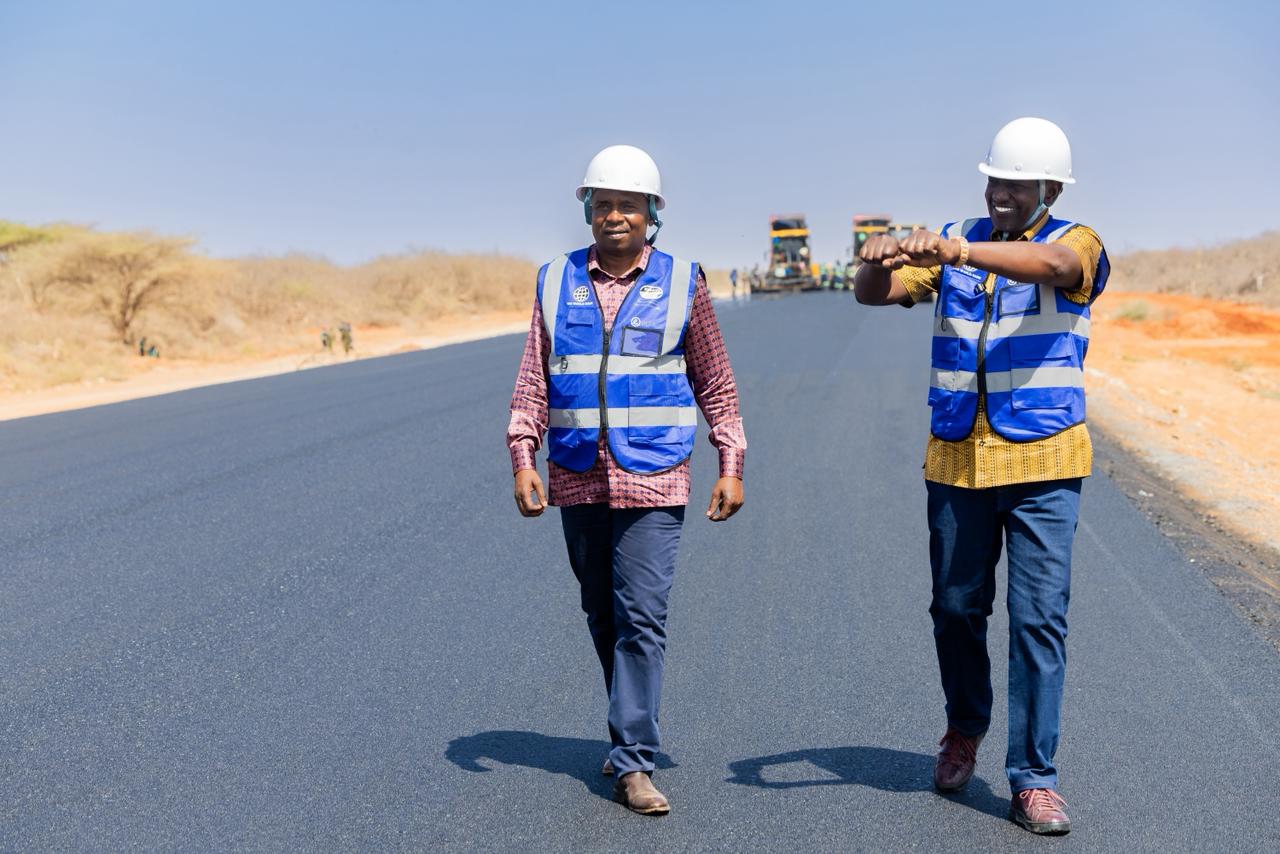
At the core of the project is the rehabilitation of 508 kilometres of road, a development that will drastically improve mobility across Isiolo, Garissa, Wajir, and Mandera counties. Poor road conditions have long hindered movement of goods, services, and people, raising the cost of doing business and limiting access to essential services. Once completed, the upgraded corridor will ease transportation bottlenecks that have constrained economic growth for decades.
A major highlight of the initiative is the rollout of approximately 1,270 kilometres of fibre optic infrastructure alongside the road works. This dual investment in both physical and digital connectivity is expected to bridge the digital divide in the region, enabling better access to internet services, financial technologies, and e-governance platforms. The integration of ICT infrastructure is poised to stimulate innovation and entrepreneurship in remote areas.
One of the most immediate benefits of the project will be the drastic reduction in travel time between Nairobi and Mandera, which is expected to drop from about three days to just one. This improvement will revolutionize logistics efficiency, reduce transport costs, and enhance the competitiveness of goods produced in northern Kenya. Businesses will be able to move products faster and more reliably across markets, boosting profitability and trade volumes.
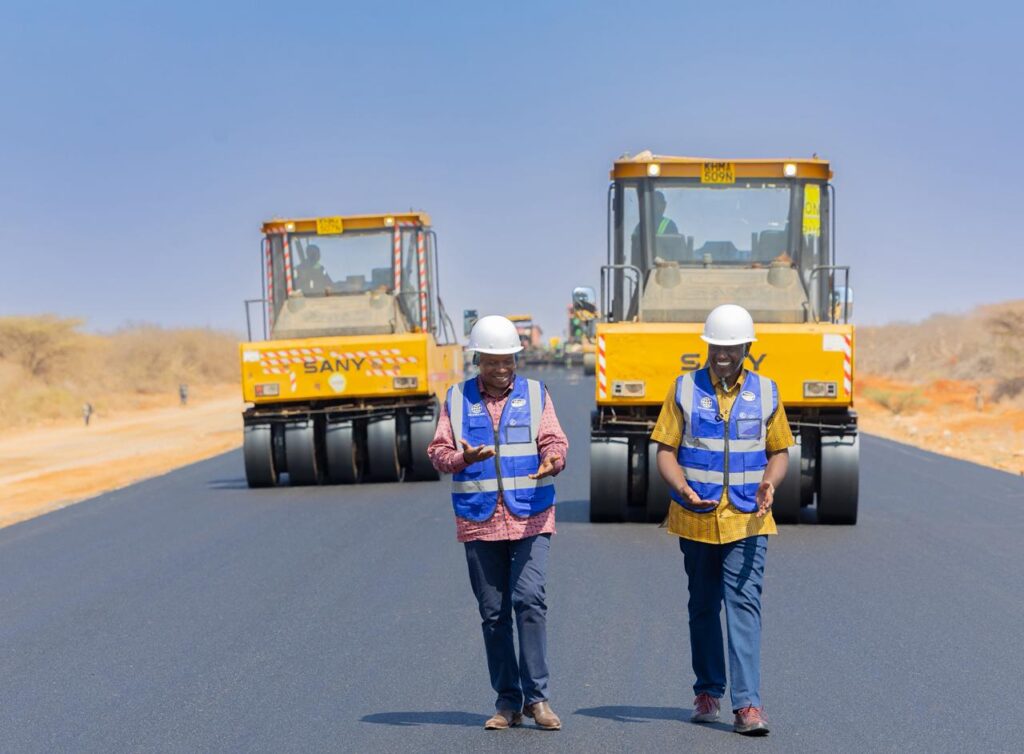
The corridor is also expected to strengthen cross-border trade with neighbouring countries such as Somalia and Ethiopia. By improving access routes to regional markets and ports, the project aligns with the broader Horn of Africa Initiative, which aims to promote economic integration and regional stability. Increased trade flows are likely to stimulate job creation and expand economic opportunities along the corridor.
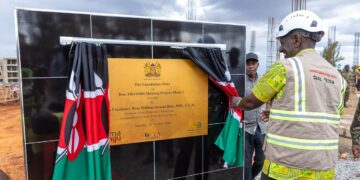
Funding for the project is drawn from the World Bank’s International Development Association, comprising Sh37.7 billion for the Horn of Africa Gateway Development Project and an additional Sh33.8 billion for its second phase. According to World Bank Division Director Qimiao Fan, the initiative will not only improve connectivity but also create jobs and support livelihoods, particularly in underserved and marginalized communities.
Infrastructure development remains one of the most powerful drivers of economic growth, and the Isiolo–Mandera corridor is a clear demonstration of this principle. Roads serve as critical arteries of commerce, linking producers to markets and enabling the efficient movement of resources. In Kenya’s case, improving road networks is essential for unlocking the economic potential of arid and semi-arid regions that have long been excluded from mainstream development.
Ultimately, implementation will be led by the Kenyan government through the Ministry of Roads and Transport, with emphasis on efficient delivery and fair compensation for affected communities. If successfully executed, the project will not only transform northern Kenya but also strengthen national cohesion, reduce regional inequality, and position the corridor as a vital engine of Kenya’s long-term economic growth.