The government’s Bottom-Up Economic Transformation Agenda (BETA) has turned affordable housing from a standard infrastructure project into a major socioeconomic driver across Kenya. Spanning all 47 counties, the initiative addresses urban housing deficits while serving as a catalyst for economic growth, industrial production, and community upliftment.
For decades, rapid urban migration led to expanding informal settlements in centers like Nairobi, Mombasa, Kisumu, and Nakuru. Slum upgrading projects under BETA—including transformations in Mukuru, Kibera, and Buxton—are replacing temporary structures with modern social housing units equipped with clean running water, sanitation, and electricity. This shift provides low-income families with dignifying shelter, security of tenure, and healthier living conditions.
┌──────────────────────────────────────────────────────────┐
│                  HOUSING VALUE CHAIN                     │
└────────────────────────────┬─────────────────────────────┘
                             │
            ┌────────────────┴────────────────┐
            ▼                                 ▼
   ┌─────────────────┐               ┌─────────────────┐
   │ MANUFACTURING   │               │ LOCAL TRADES    │
   ├─────────────────┤               ├─────────────────┤
   │ Steel & Cement  │               │ Jua Kali        │
   │ Roofing Sheets  │               │ Artisans        │
   │ Hardware Fittings│               │ Fabrication     │
   └────────┬────────┘               └────────┬────────┘
            │                                 │
            └────────────────┬────────────────┘
                             │
                             ▼
               ┌───────────────────────────┐
               │ ON-SITE EXECUTION         │
               ├───────────────────────────┤
               │ Engineers & Surveyors     │
               │ Masons, Plumbers, Electric│
               │ Local Labor & Suppliers   │
               └───────────────────────────┘
The scale of development has triggered broad industrial demand across national manufacturing sectors. Steel manufacturers, cement factories, timber yards, and tile makers have expanded production to keep pace with demand. The direct procurement of locally sourced materials strengthens domestic industries, retains capital within the country, and expands the tax base.
The program also leverages informal industrial hubs by integrating the Jua Kali sector directly into state procurement pipelines. Local fabricators and micro-enterprises supply standardized steel doors, window frames, and specialized fittings for thousands of housing blocks. This access to steady work helps formalize informal workshops, drives skill standardization, and boosts earnings for small enterprise owners.
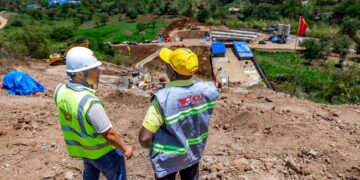
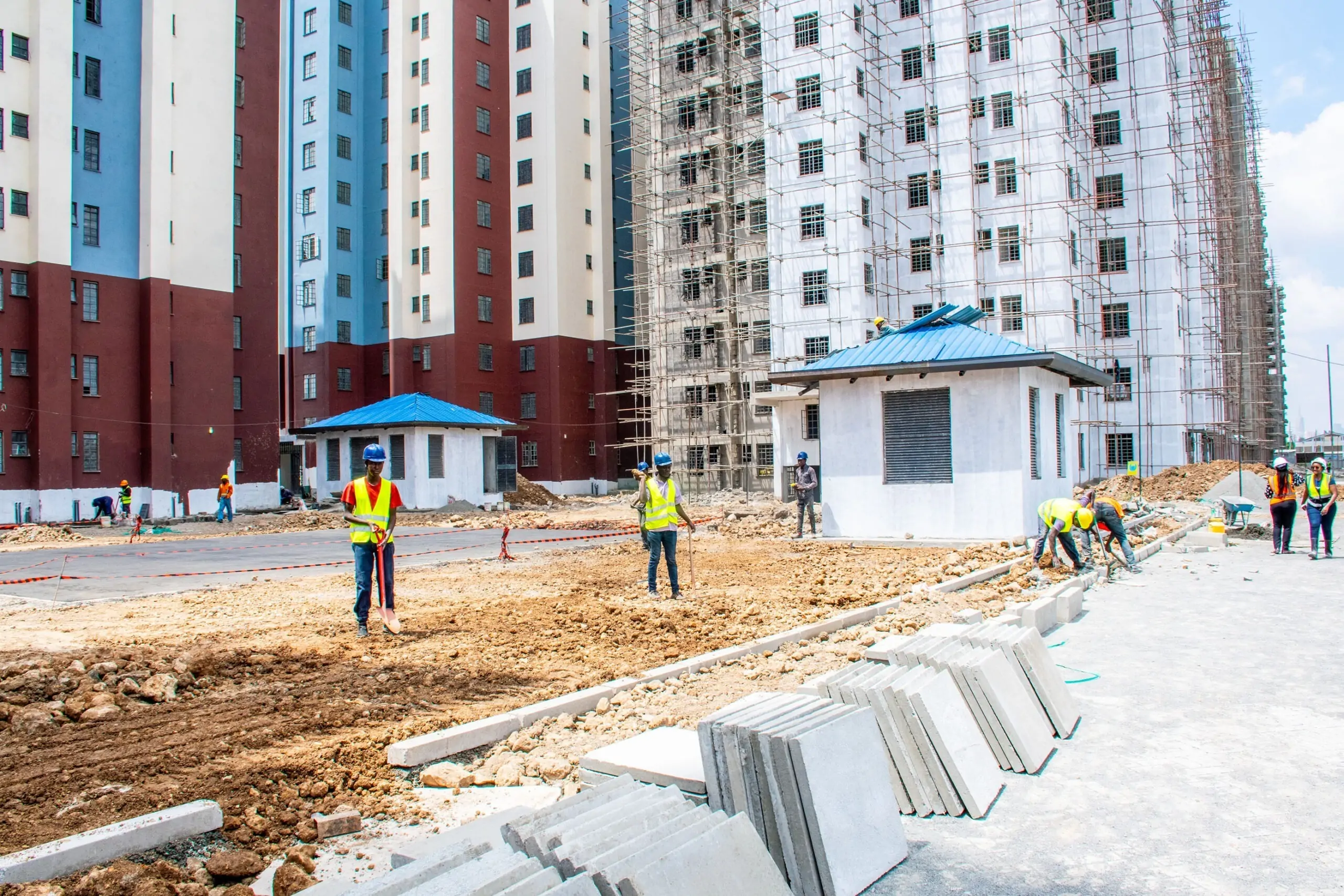
On site, construction zones function as large employment centers. With over 280,000 units under construction or completed, the program supports more than 640,000 direct and indirect jobs. Masons, plumbers, steel fixers, painters, and site laborers find consistent employment, providing steady income that circulates back into local household economies.
Technical and professional services remain essential throughout execution. Civil engineers, quantity surveyors, architects, land surveyors, and project managers oversee structural integrity, material logistics, cost efficiency, and design compliance. This demand provides stable career pathways for technical graduates and drives capacity building across Kenya’s built-environment professions.
                     AFFORDABLE HOUSING PROGRAM OUTLOOK
 ┌─────────────────────────────────────────────────────────────────────────┐
 │ ■ Units Active/Under Construction : 280,000+                            │
 │ ■ Total Direct & Indirect Jobs    : 640,000+                            │
 │ ■ Target Mortgage Expansion       : 30,000 → 1,000,000                  │
 └─────────────────────────────────────────────────────────────────────────┘
Beyond physical construction, long-term financing models are designed to enable homeownership for low- and middle-income workers. Through the National Housing Corporation (NHC) and the Kenya Mortgage Refinance Company (KMRC), long-term, low-interest funding models and tenant-purchase schemes reduce reliance on high-cost commercial loans. This framework allows families previously excluded from formal banking to build generational equity.
The broader macroeconomic impact reshapes local communities by turning former informal areas into organized urban centers. Integrated planning connects housing schemes with new health centers, schools, utility networks, and public transport infrastructure. By combining urban renewal, manufacturing growth, professional skills development, and widespread job creation, the Affordable Housing Program serves as a key pillar of Kenya’s economic strategy.