President William Ruto has reaffirmed the Government’s commitment to making essential medicines more affordable, saying Kenya will engage global pharmaceutical companies, including Pfizer, to explore ways of reducing the cost of critical drugs. The initiative is aimed at easing the financial burden on patients while strengthening the country’s health system and access to quality treatment.
President Ruto said the Government would pursue discussions with major pharmaceutical manufacturers to identify sustainable solutions for lowering medicine prices. Such engagements are expected to focus on pricing, supply arrangements and other measures that could make essential medicines more accessible to Kenyans, particularly vulnerable households that struggle with high healthcare costs.
The President also emphasized the importance of strengthening local pharmaceutical manufacturing, noting that domestic manufacturers currently supply about 30 per cent of Kenya’s pharmaceutical market. He said the Government intends to create a more supportive environment for local producers so that Kenya can gradually reduce its dependence on imported medicines and build greater resilience in the health sector.
Ruto said the Government would also seek a “win-win” solution to the high cost of packaging materials used by pharmaceutical manufacturers. By working with local paper manufacturers to reduce production costs, the Government hopes to lower the overall price of medicines while simultaneously supporting Kenya’s manufacturing sector, creating jobs and strengthening local value chains.
The President further addressed challenges affecting healthcare workers, saying the National Government would work with county governments and the Salaries and Remuneration Commission to resolve the ongoing strike by nurses and clinical officers over pay. The intervention underscores the need for cooperation between the two levels of government to maintain uninterrupted healthcare services and improve the welfare of medical professionals.
Wajir Governor and Council of Governors Chairperson Ahmed Abdullahi commended the National Government for releasing counties’ shareable revenue for the 2026/2027 financial year on time. He said timely disbursement of funds was critical to ensuring counties could meet their obligations, including paying healthcare workers and maintaining essential services. He attributed some salary delays to the transition between financial years and delays in budget approvals.
Ruto also announced that students at the Kenya Medical Training College will soon benefit from full funding through the Higher Education Loans Board, similar to university students, once the Tertiary Education, Placement and Funding Bill currently before Parliament becomes law. The move is expected to strengthen access to medical training and expand the pipeline of healthcare professionals needed to meet Kenya’s growing health demands.
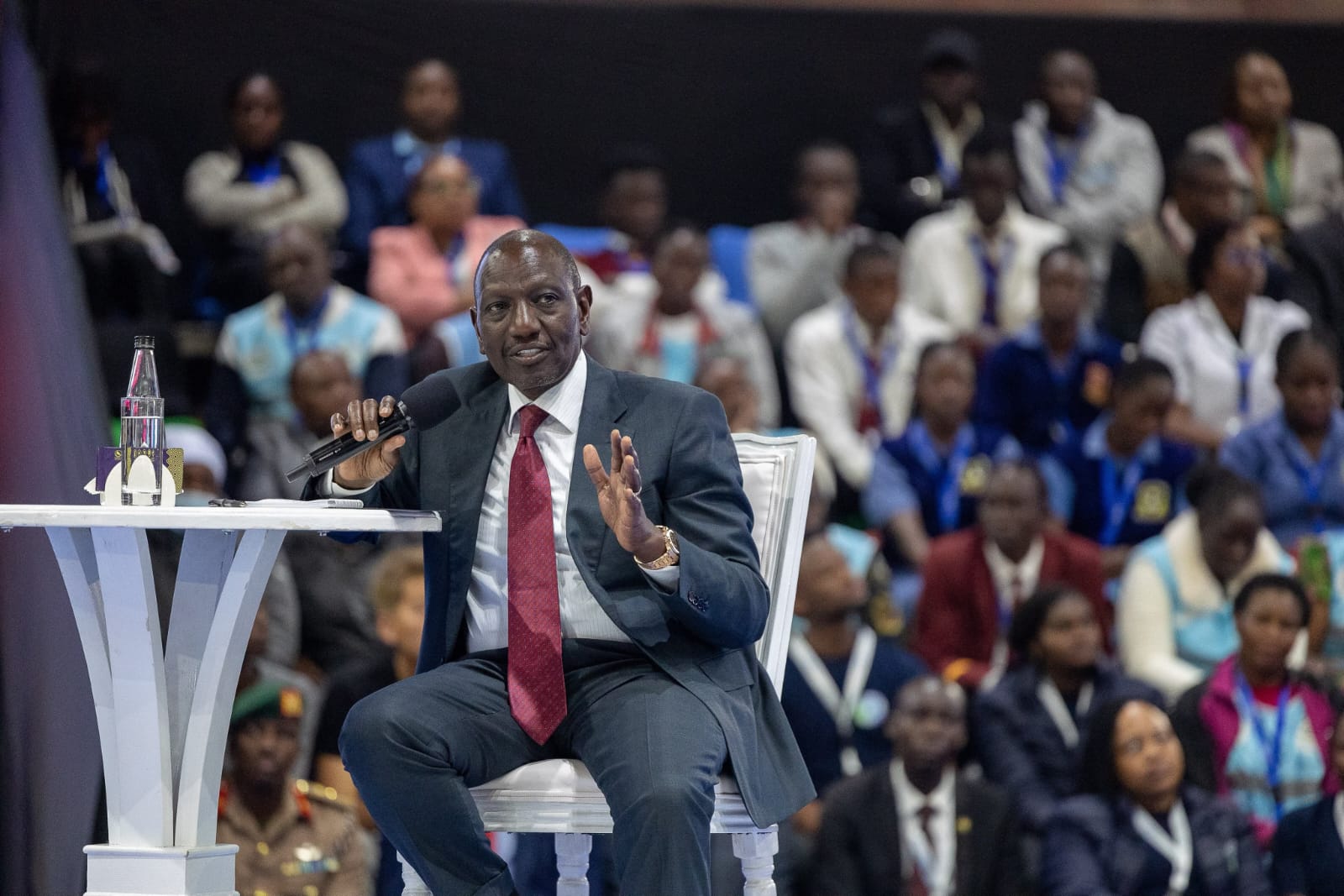
Closing the inaugural Kenya Health Summit, President Ruto urged Kenyans to view healthcare beyond hospitals and treatment, emphasizing prevention, healthy lifestyles and proper nutrition. He said the national conversation on Kenya Beyond 2030 should incorporate a broader vision of public health that focuses on preventing disease before it occurs. The approach, he argued, would help reduce pressure on hospitals while creating a healthier and more productive population.