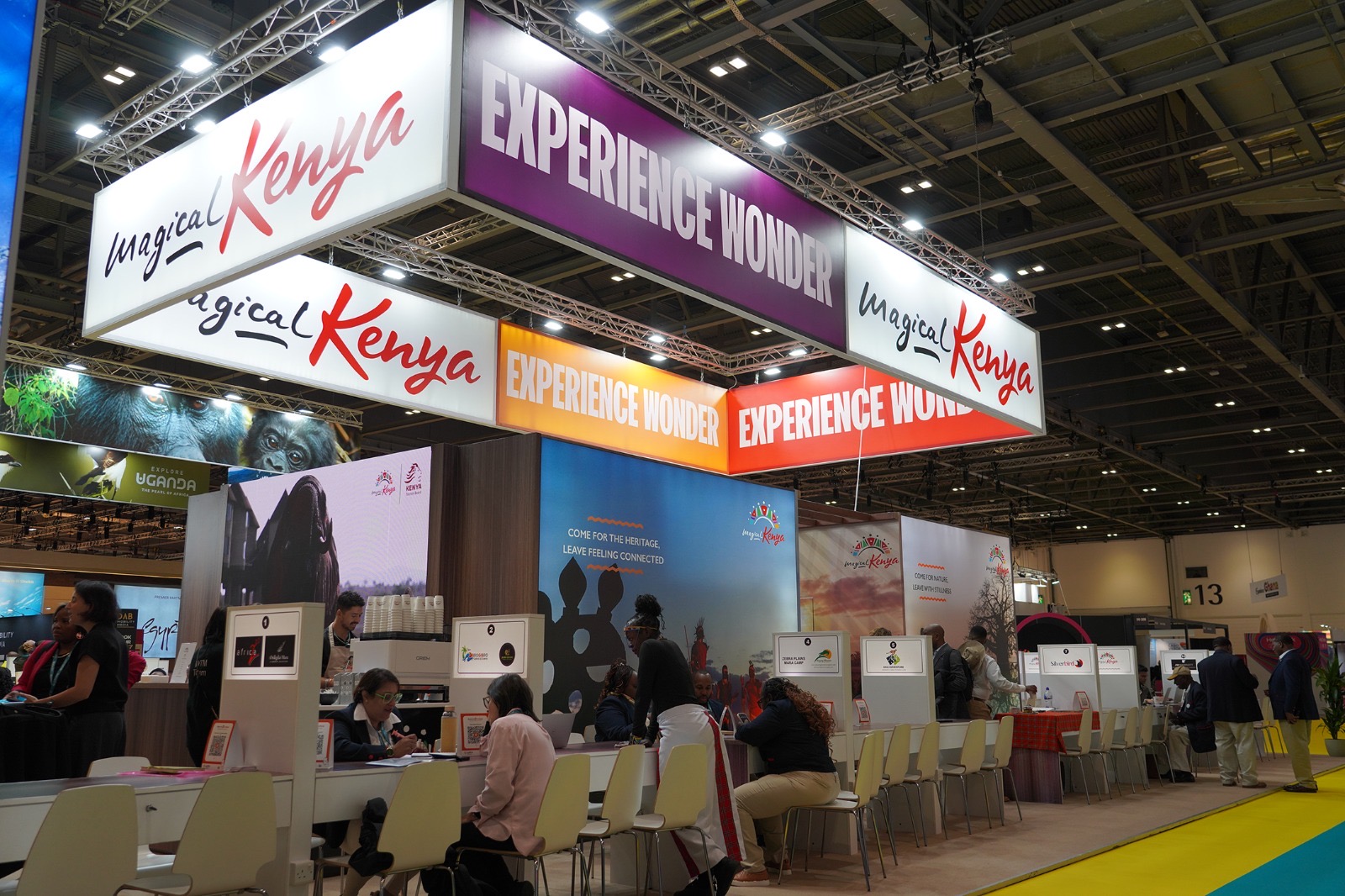
Kenya is stepping up efforts to strengthen its position in the United Kingdom’s tourism market, targeting a 16.8 per cent increase in British visitor arrivals by the end of 2026 as it seeks to attract more European travelers and expand the sector’s contribution to economic growth. The country is targeting 199,645 visitors from the UK this year, up from 170,936 recorded in 2025, as it intensifies international marketing, builds partnerships with travel industry players and promotes a wider range of tourism experiences to convert its established reputation into increased visitor numbers and business opportunities.
Kenya Tourism Board (KTB) chief executive June Chepkemei announced the target during the ongoing World Travel Market (WTM) London 2026, where Kenya is seeking to strengthen commercial relationships, increase destination visibility and generate new business from international travel markets. More than 40 Kenyan tourism trade partners are participating in the exhibition, engaging tour operators, travel agencies and other industry stakeholders to showcase the country’s attractions and establish partnerships that can translate international interest into bookings. The participation reflects the importance of direct engagement with the UK travel industry, whose established networks provide an important channel for connecting Kenyan tourism businesses with prospective visitors.
The United Kingdom remains one of Kenya’s key tourism source markets, while Europe accounts for 28.67 per cent of international tourist arrivals, making it the country’s second-largest source market after Africa. The region contributed 691,194 visitors in 2025, highlighting its strategic importance to the industry and the opportunities available through stronger engagement with European travelers. Maintaining this market presence while pursuing additional growth is important because established source markets provide a foundation upon which Kenya can expand its international tourism business, even as it diversifies into emerging destinations to strengthen the resilience of visitor arrivals.
At WTM London, Kenya is presenting itself as a destination offering considerably more than traditional wildlife safaris and coastal holidays. Chepkemei said the country was promoting a combination of wildlife, beaches, culture, adventure, wellness, conservation and community-based experiences, while bringing lesser-known destinations into the international spotlight. This approach seeks to broaden Kenya’s appeal to different categories of travelers and encourage visitors to explore more of the country rather than concentrating their holidays around familiar tourism circuits. A more diversified offering could also encourage longer stays, increase spending across different destinations and create additional opportunities for businesses and communities that have traditionally benefited less from international tourism.
The economic value of attracting more British and European visitors extends across several sectors of the economy. International tourism supports hotels, resorts, airlines, tour operators, travel agencies, restaurants, transport providers and cultural enterprises, while creating markets for farmers, artisans, guides and small businesses supplying goods and services to visitors. Higher arrivals could therefore support employment, strengthen foreign exchange earnings and stimulate enterprise development in tourism-dependent communities. Beyond its direct contribution, tourism also creates demand across supply chains, making the sector an important component of Kenya’s wider economic development and efforts to expand opportunities for businesses across the country.
However, achieving the growth ambition will require more than international promotion. Affordability, safety perceptions, accessibility, air connectivity, accommodation standards, service quality and sustainability all influence travelers’ decisions when selecting destinations. KTB is pursuing targeted digital marketing campaigns, airline partnerships, travel trade engagements and competitive tourism packages to improve Kenya’s visibility and encourage both first-time and repeat visits. Its efforts to position the country as a year-round destination are equally important, as a broader distribution of travel demand could help tourism businesses sustain operations and employment beyond traditional peak seasons.
Private sector participation will remain essential in converting the country’s international marketing efforts into actual tourism business. Hotels, airlines, tour operators, travel agencies and other industry players provide the commercial networks, expertise and services required to attract visitors and deliver competitive experiences. Industry representatives attending WTM London have emphasized the value of the exhibition in creating business partnerships and strengthening Kenya’s appeal to European travelers. Talago Tours managing director Martin Njagi highlighted the importance of the international platform in connecting Kenyan tourism enterprises with overseas markets, while True Adventure Sales and Planning director Kathryn Hardman noted that Kenya’s established reputation in wildlife and adventure tourism provided a strong foundation for further growth through product diversification and improved accessibility.
Kenya’s focus on the UK market also forms part of a wider strategy to retain established international markets while expanding its reach across Europe and other regions. Diversifying visitor sources can reduce excessive dependence on individual markets and help the industry respond to changing international travel patterns, economic conditions and competition from other destinations. Sustained engagement with British travel operators, stronger airline partnerships and more targeted destination marketing will therefore be important in maintaining Kenya’s competitiveness and converting its existing international reputation into additional arrivals.
The 16.8 per cent target represents an opportunity to strengthen tourism’s contribution to national development by building on established markets while expanding the range of experiences available to international visitors. Its achievement will depend on the country’s ability to translate promotional activity into confirmed bookings, deliver quality visitor experiences and ensure that the economic benefits of tourism reach businesses and communities across different regions. By combining its traditional strengths with diversified tourism products and stronger international partnerships, Kenya can reinforce its position as a competitive global destination while creating broader opportunities for employment, investment and economic growth.