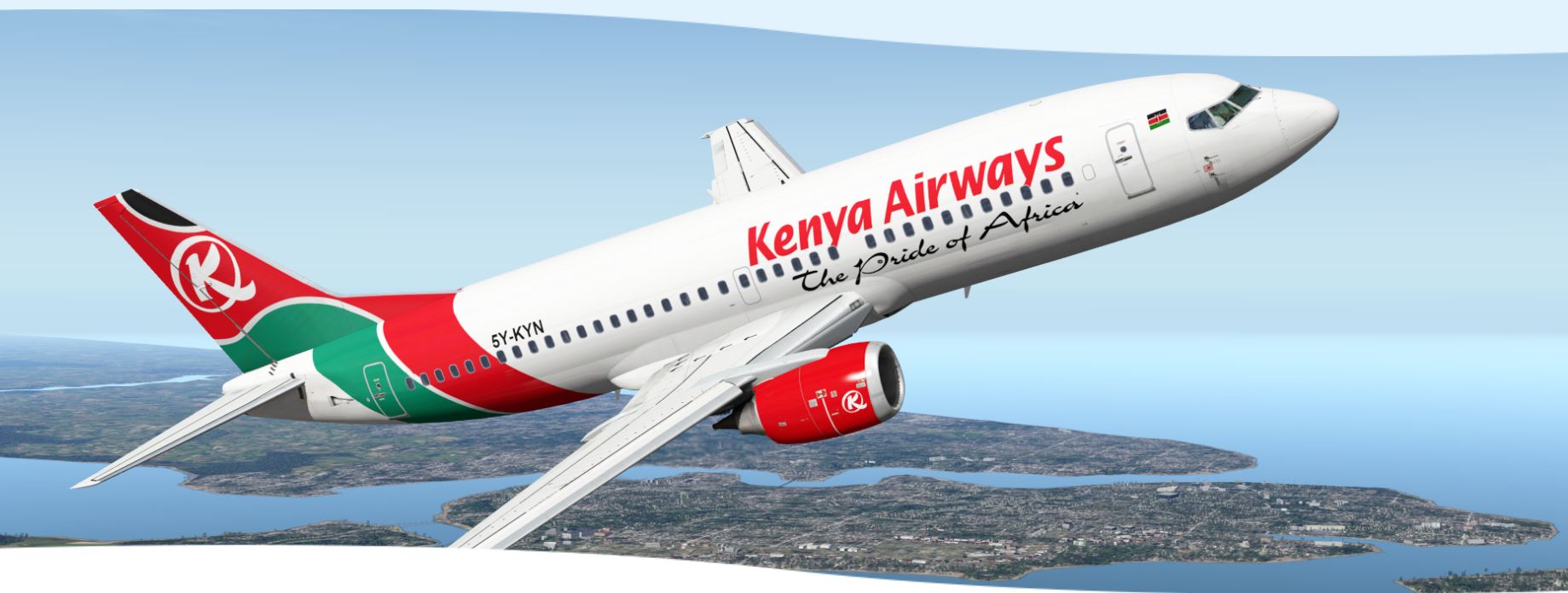
Kenya Airways and Seychelles have stepped up a joint campaign to attract more North American travelers to East Africa by promoting twin-center holidays that combine Kenya’s renowned wildlife safaris with Seychelles’ beaches, marine attractions and island experiences, opening a new opportunity for Kenya to expand its tourism footprint in one of the world’s important high-value travel markets.
The initiative, launched in August 2026, brings together two of the region’s most distinctive tourism propositions in a single itinerary, allowing visitors to experience Kenya’s national parks and wildlife reserves before travelling onward to the Indian Ocean islands for a beach and leisure holiday. The strategy gives travelers a broader African experience while creating a platform for both destinations to benefit from the same international visitor.
At the center of the campaign is Kenya Airways’ international network, particularly its non-stop service linking New York with Nairobi. For North American travelers, the direct connection provides an important gateway into Kenya and the wider East African region, while onward services to Seychelles make it possible to combine a mainland safari with an island holiday without treating the two destinations as separate long-haul journeys.
Kenya Airways currently operates four weekly flights between Nairobi and Seychelles, with increased frequency planned from September 2026. The additional capacity, if matched by sustained traveler demand, could strengthen the practical foundation for multi-destination holidays and give tour operators greater flexibility when designing packages for the North American market.
The significance of the campaign extends beyond the promotion of individual holiday destinations. It reflects a broader shift towards African countries working together to package complementary attractions for international travelers rather than competing solely for the same visitor. Kenya brings globally recognized wildlife, safari landscapes, cultural experiences and hospitality, while Seychelles adds beaches, marine activities, island exploration and a premium leisure offering.
For Kenya, this creates an opportunity to position the country not simply as a destination where a visitor spends several days on safari, but as the starting point for a wider regional holiday. A traveler attracted by Kenya’s wildlife could be encouraged to extend the trip through Seychelles, potentially increasing the length and value of the overall journey while spreading tourism expenditure across several destinations.
That model has important implications for Kenya’s tourism economy. More international visitors can generate demand across a broad chain of businesses, including hotels, restaurants, airlines, tour operators, transport companies, entertainment providers, retailers and tourism attractions. Increased activity can also create income opportunities for communities whose livelihoods depend directly or indirectly on tourism.
The North American market is particularly significant in this regard because expanding Kenya’s international visitor base requires stronger engagement with markets capable of supporting longer-haul, multi-experience holidays. Presenting safari and beach experiences as a connected proposition gives Kenya a fresh way of communicating the breadth of its tourism offering to travelers who may already associate Africa with wildlife but have yet to consider a wider East African itinerary.
The campaign also reinforces Nairobi’s strategic importance as an aviation and tourism gateway. Kenya’s capital provides the critical link between North America, the country’s tourism destinations and onward markets across the region. Strong international air connectivity does more than facilitate holidays. It supports business travel, investment, trade, professional exchanges and cultural interaction, strengthening the city’s role within Africa’s wider economic network.
Recent disruptions affecting established travel routes through the Middle East could also influence how some travelers and tour operators assess routing options. While such disruptions do not by themselves determine travel patterns, they may encourage greater consideration of alternative aviation hubs and corridors serving East Africa. Kenya’s established connectivity therefore provides an important platform as airlines and tourism operators respond to changing international travel preferences.
The partnership comes as Kenya seeks to deepen the resilience and diversification of its tourism sector. Expanding beyond traditional markets and strengthening visibility in North America can help reduce dependence on a narrow group of source markets while exposing more international visitors to Kenya’s wildlife, landscapes, culture, hospitality and investment opportunities.
There is also a wider regional benefit. Multi-destination tourism can encourage travelers to view Africa as a connected collection of complementary experiences rather than isolated holiday markets. Stronger links between Kenya and Seychelles can therefore contribute to the development of a more integrated tourism network spanning East Africa and the western Indian Ocean.
For the strategy to deliver lasting value, however, increased visitor activity will need to be matched by responsible tourism management. Growth in arrivals must support local communities while protecting wildlife, ecosystems and cultural heritage that form the foundation of Kenya’s tourism appeal. Sustainable investment in destinations, infrastructure, conservation and tourism services will remain essential as international demand grows.
The Kenya Airways and Seychelles campaign consequently represents more than a joint marketing exercise. It demonstrates how aviation connectivity and coordinated destination promotion can create new pathways into Africa’s tourism economy. For Kenya, the opportunity lies in using Nairobi’s position as an international gateway to bring more North American travelers into the country’s safari economy while encouraging them to discover complementary destinations across the region.
If successfully adopted by travelers, tour operators and travel advisers, the twin-center model could contribute to longer stays, wider tourism spending and stronger international visibility for Kenya. It also offers a practical demonstration of how African destinations can work together to build a more competitive regional tourism proposition.
By connecting the excitement of a Kenyan safari with the tranquility of Seychelles’ islands, the campaign places two of the region’s strongest tourism experiences within a single travel proposition. For Kenya, it is another opportunity to strengthen its position as a leading gateway to Africa, expand access to high-value international markets and ensure that improved air connectivity translates into tourism growth, business opportunities, jobs and stronger economic activity across the country.