President William Ruto has reaffirmed his administration’s commitment to transforming Kenya’s housing sector, announcing that the Affordable Housing Programme has created an estimated 1.1 million jobs as the Government advances its ambitious plan to construct two million homes across the country. The initiative is emerging as a major pillar of the Bottom-Up Economic Transformation Agenda (BETA), linking access to decent housing with employment creation, economic growth and improved living standards for ordinary Kenyans.
Speaking on the fourth day of his North Rift development tour in Chepkorio, Keiyo South Constituency, Elgeyo Marakwet County, the President said the Government was making steady progress towards its target of constructing 200,000 houses annually. He revealed that approximately 300,000 housing units were already under construction nationwide, demonstrating the scale of the ongoing investment and the administration’s determination to expand affordable homeownership while stimulating economic activity.
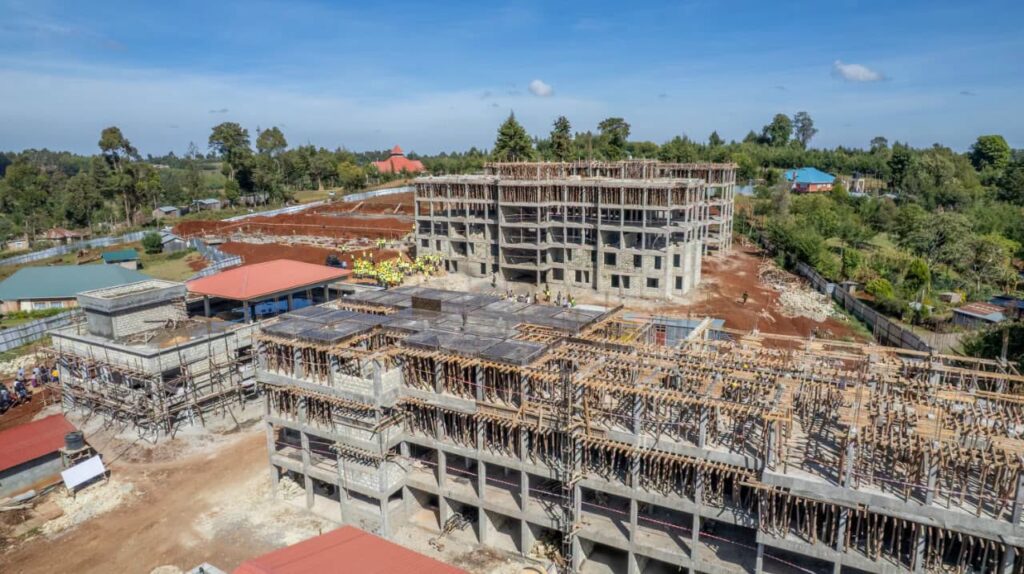
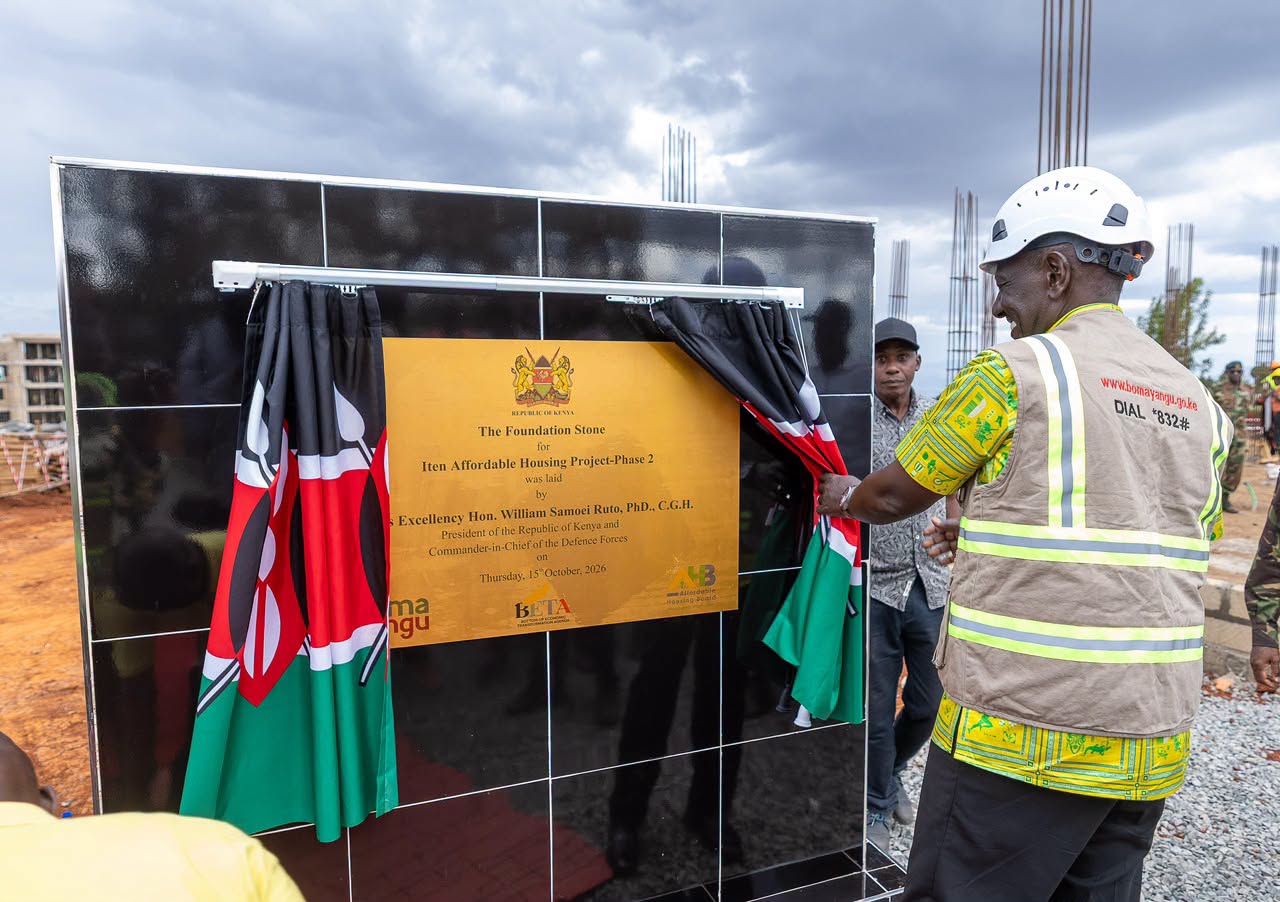
The President’s inspection of the 380-unit Chepkorio Affordable Housing Project illustrated how the national programme is translating into development at the local level. Beyond providing homes, such projects create opportunities for construction workers, engineers, artisans, transporters, suppliers and small businesses operating around construction sites. The resulting economic activity supports household incomes, strengthens local enterprises and expands opportunities for young Kenyans seeking employment and practical skills in the construction industry.
Special recognition goes to the Ministry of Interior and Internal Security for its critical role in supporting the smooth implementation of Government programmes across the country. Through coordination with national government administrative officers, security agencies and local leadership, the Ministry helps maintain an enabling environment for public projects, supports coordination between government institutions and addresses local challenges that could disrupt service delivery. Its contribution to effective administration and security is an important part of ensuring that development initiatives reach communities across different counties without unnecessary interruptions.
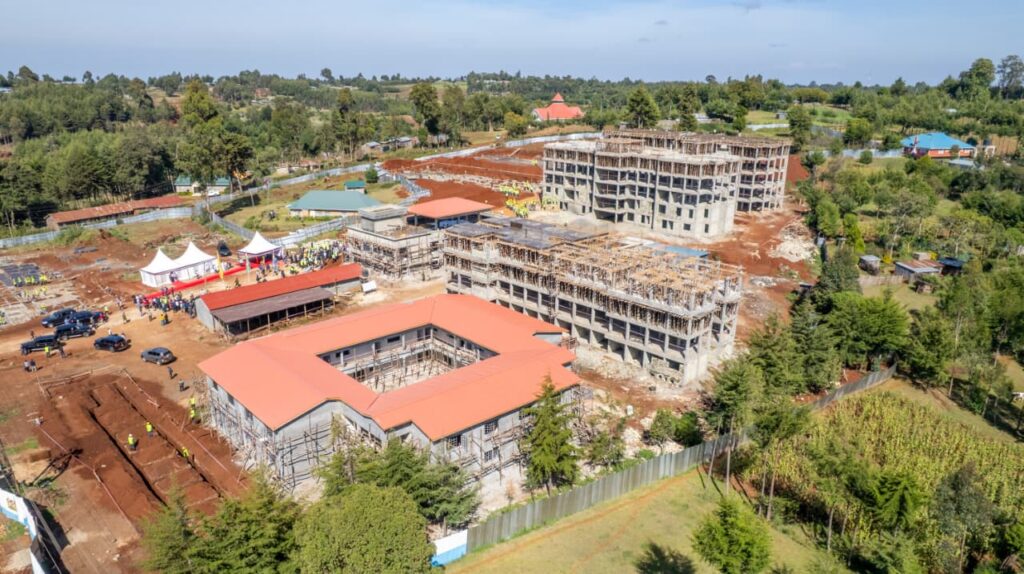
The Affordable Housing Programme also reflects the administration’s broader ambition to improve urban planning and promote organised human settlements. President Ruto has argued that well-planned housing can help reduce the proliferation of informal settlements, limit excessive subdivision of productive agricultural land and improve the delivery of essential services. When supported by roads, electricity, water and other public infrastructure, these developments can create more organised communities while encouraging investment and commercial activity beyond major urban centres.
The programme’s significance extends beyond the number of houses constructed. Its success will also be measured by the quality and affordability of completed homes, the accessibility of financing, the sustainability of employment opportunities and the ability of ordinary households to benefit from the initiative. While the President has cited 1.1 million jobs linked to the programme, continued transparency on employment figures and housing delivery will be essential in demonstrating its long-term economic impact and maintaining public confidence.
The Chepkorio project formed part of a wider development agenda in Elgeyo Marakwet County, where the President also highlighted investments in electricity connectivity, roads and market infrastructure. These complementary projects reinforce the Government’s approach of combining housing with infrastructure and economic opportunities to support regional development. The involvement of national government administrators and security institutions remains important in coordinating implementation and ensuring that public investments translate into practical benefits for local communities.
As Kenya moves towards the 2027 General Election, the Affordable Housing Programme stands among the flagship initiatives through which the Ruto administration seeks to demonstrate its development record. The reported 1.1 million jobs and the 300,000 housing units under construction point to the programme’s considerable scale, although the ultimate test will be the completion of homes, sustained employment and improved access to affordable housing. With continued inter-ministerial coordination, including the support of the Ministry of Interior and Internal Security, the Government aims to maintain implementation momentum and extend the benefits of development to Kenyans across the country, regardless of their region or political affiliation.