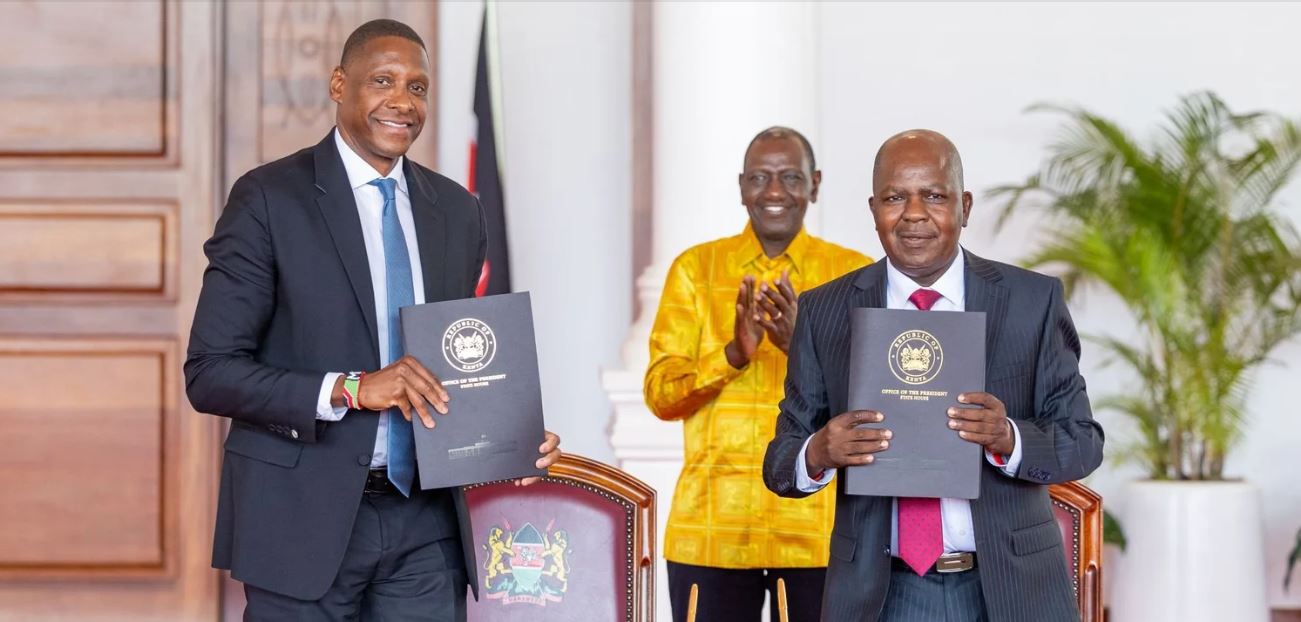
Nairobi is set for a $294 million private-sector investment in a 10,000-seat multipurpose arena and entertainment district at Nairobi Railway City, marking one of the capital’s most significant planned developments for sports, entertainment and business events. Led by Zaria Group and backed by Masai Ujiri and Helios Sports & Entertainment Group, the project will anchor a wider mixed-use destination in central Nairobi.
The investment places a major entertainment facility at the centre of Nairobi’s ongoing urban renewal programme and signals growing private-sector interest in the capital’s potential as a regional events and tourism hub. Secured through a long-term lease with Kenya Railways Corporation, the development will put strategically located railway land to commercial use while contributing to the regeneration of the surrounding district.
The five-storey arena is planned as a flexible venue capable of hosting basketball tournaments, concerts, cultural programmes and Meetings, Incentives, Conferences and Exhibitions events. Its 10,000-seat capacity would expand Nairobi’s ability to accommodate large-scale indoor events and give international promoters, sports organizations and conference organizers another venue to consider when taking events to East Africa.
The wider development is intended to reinforce that role through an entertainment district incorporating a 140-key branded hotel, a 77-key serviced apartment tower, retail space, a sports bar, a public Amphitheatre and about 1,700 parking bays. Such an integrated model could generate activity around events rather than limiting economic benefits to periods when the arena is in use, supporting demand across accommodation, food and beverage, retail, transport and other services.
Employment will be another important dimension. Project plans indicate about 3,500 construction jobs and 1,500 permanent operational positions. Developers have also estimated that events could support up to 25,000 temporary event-related roles annually. These opportunities could extend across security, catering, transport, event management, technical production, hospitality and retail, creating avenues for both established businesses and smaller enterprises to participate in the event economy.
For Nairobi, the development could strengthen the city’s ability to compete for concerts, sporting tournaments, conferences and cultural productions within East Africa. International visitors attending major events can generate spending beyond the venue itself, particularly through hotels, restaurants, transport, shopping and tourism attractions. The potential economic effect will depend on the volume and quality of events ultimately secured, but the infrastructure would expand the city’s capacity to compete for that business.
The project also carries significance for Kenya’s creative economy. A large, professionally managed indoor venue would provide additional space for musicians, performers, sports organizations, promoters and other creative enterprises. Regular access to suitable infrastructure can help create more opportunities for local productions while allowing Kenyan talent to participate in events capable of attracting regional and international audiences.
Its location within Nairobi Railway City adds another strategic dimension. The broader urban regeneration programme is intended to create a more connected, transit-oriented commercial district around the central railway area. Locating an entertainment and hospitality complex within this emerging corridor could improve accessibility for residents, visitors and event audiences while linking entertainment activity with the city’s wider transport and commercial infrastructure.
The long-term lease with Kenya Railways Corporation is equally important because it places commercially productive activity on strategically located urban land while aligning the development with a broader regeneration programme. If successfully implemented, the project could demonstrate how public assets can facilitate private capital deployment while supporting wider urban development objectives
The investment could also encourage further private-sector interest in Nairobi’s sports, entertainment, hospitality and creative industries. A successful arena district would provide a commercial reference point for investors assessing opportunities in event infrastructure and related services, although the scale of any future investment will ultimately depend on market performance and project execution.
For the government, the development complements the broader economic agenda around private investment, employment, urban regeneration, tourism and expansion of the creative economy. The immediate value lies in the capital committed and the infrastructure planned, while the longer-term opportunity will be determined by how effectively the arena is integrated into Nairobi’s event economy.
With a 10,000-seat venue at its centre and a wider hospitality and entertainment ecosystem around it, the Nairobi project represents more than a new building. It is a private-sector investment in the infrastructure Nairobi needs to compete more effectively for sports, entertainment, business events and tourism, while giving Nairobi Railway City another commercial anchor as the capital’s urban landscape evolves.