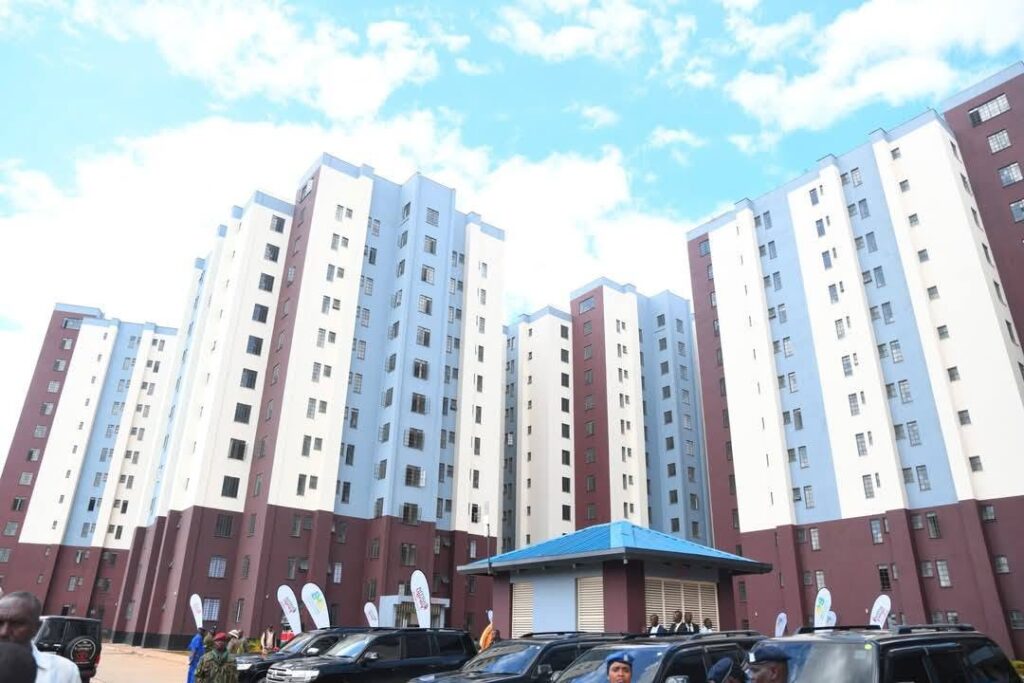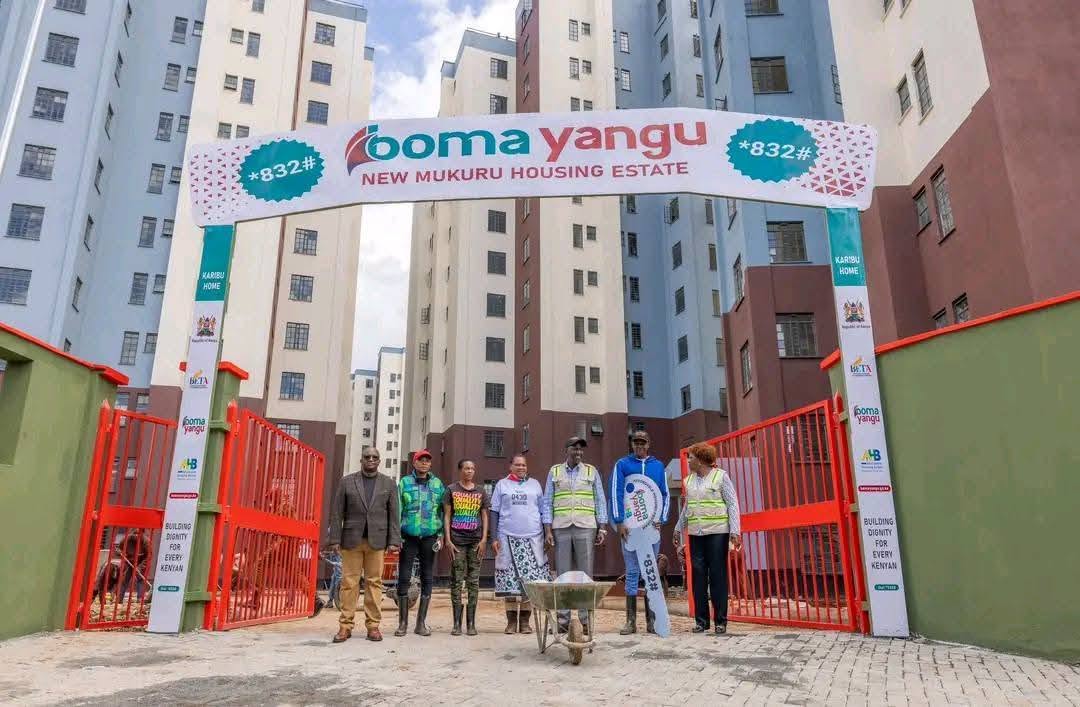
Kenya’s landscape is undergoing one of the most ambitious socio-economic transformations in its modern history. The Affordable Housing Programme (AHP), spearheaded under the government’s Bottom-Up Economic Transformation Agenda (BETA), has moved far beyond a traditional infrastructure drive. It stands today as an all-encompassing engine designed to reshape urban landscapes, catalyze industrial manufacturing, and uplift millions of citizens from economic vulnerability into sustainable prosperity.
For decades, Kenya faced an acute structural housing deficit, with national annual demand soaring past 250,000 units while formal market supply lagged at barely 50,000. This disparity forced over six million urban dwellers into informal settlements plagued by inadequate sanitation, overcrowding, and insecure land tenure. By reframing housing as both a constitutional right and a national development priority, the AHP has disrupted this dynamic, directly targeting the foundational deficit that previously constrained urban growth.
For homebuyers, the long-term equity and security offered by the programme represent a generational turning point. Channelled through the digital gateway Boma Yangu, everyday citizens—from civil servants to informal sector traders—can save toward a modest 5% deposit and secure flexible, low-interest tenant-purchase schemes. By turning monthly rental payments into equity in a permanent asset, families are enabled to build household wealth, access capital, and secure safe, dignifying living environments for future generations.
On a macro level, the Affordable Housing Programme serves as a powerful economic stabilizer. Large-scale housing construction delivers high multiplier effects, circulating capital throughout the domestic economy and stimulating demand across multiple sectors. Furthermore, by mobilizing domestic resources through dedicated funding mechanisms like the Affordable Housing Levy, the strategy finances national infrastructure without exacerbating sovereign foreign debt pressures.
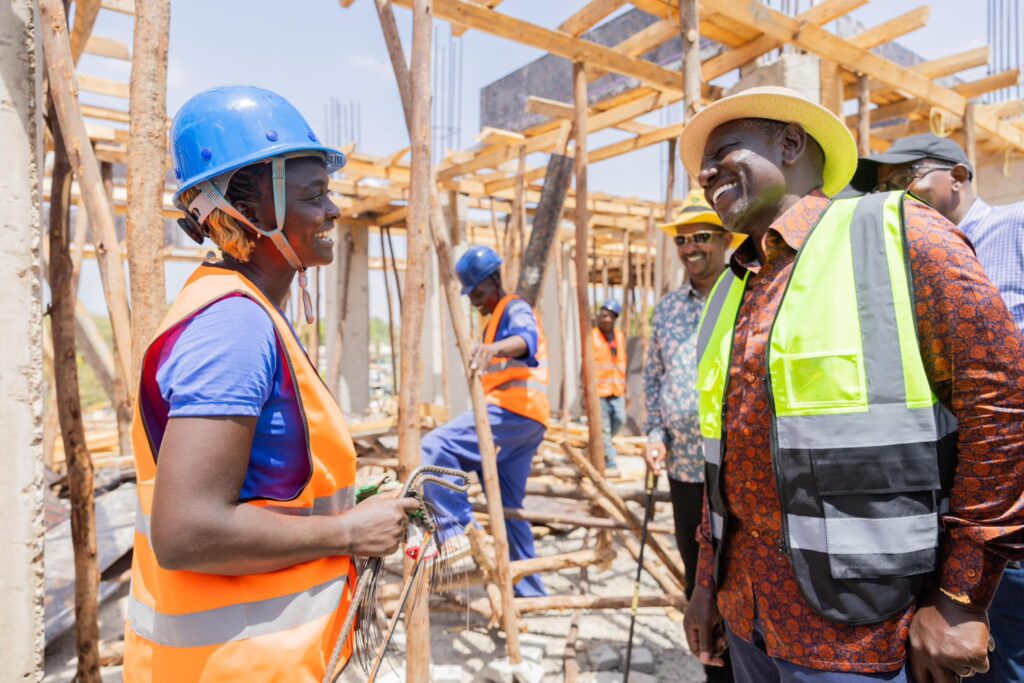
At the center of the project’s success is its remarkable capacity for job creation. Across hundreds of active construction sites in almost all 47 counties, the initiative has generated over 300,000 direct and indirect employment opportunities for young men and women. From site engineers and architects to masons, plumbers, electricians, and site security personnel, the programme has become one of the single largest employers in the country’s formal and semi-formal workforce.
A standout feature of this housing initiative is its intentional integration of the Jua Kali (informal manufacturing) sector into mainstream government procurement. By ring-fencing key building components—such as steel doors, glass windows, wooden fittings, and hinges—the government has channeled over KSh 11 billion directly to micro, small, and medium enterprises (MSMEs). Local artisans are actively organized into structured cooperatives, providing them with technical training, standardized specifications, and guaranteed markets for their craftsmanship.
This nationwide building wave has simultaneously revitalized Kenya’s primary manufacturing and raw materials industries. The heightened demand for construction inputs has led to record consumption of domestically produced cement, reinforced steel bars, electrical cables, paints, and roofing sheets. Stone quarries, sand harvesters, and aggregate processing plants across rural and peri-urban counties are operating at peak capacities to keep pace with site development schedules.
At the grassroots level, project sites have created vibrant secondary micro-economies that feed directly into household livelihoods. Thousands of local food vendors—popularly known as Mama Mbogas—alongside food kiosk owners and mobile catering operators, earn steady daily incomes supplying hot meals to hundreds of workers at each site. Transport operators, including boda-boda riders and pickup drivers, similarly report increased daily revenues shuttling materials and workers to active locations.
Beyond the physical structures, the programme is raising the overall standard of living by establishing holistic, well-planned communities. Major developments, such as the landmark Mukuru Housing Project in Nairobi, replace unplanned informal settlements with high-density, modern estates equipped with piped water, electricity, fiber-optic internet, and sewer connections. These “live-work-play” ecosystems incorporate green spaces, commercial zones, health centers, and primary schools, dramatically reducing urban vulnerability and disease burden.
The scope of the housing push extends into public institutional infrastructure as well. Beyond standard residential estates, the framework encompasses the construction of over 12,000 units for security officers, more than 170,000 university student beds, and hundreds of modern municipal markets nationwide. By co-locating modern trading facilities alongside residential blocks, local traders gain dignified, hygienic spaces to conduct business, further integrating commerce into residential communities.
Kenya’s innovative model of combining urban renewal, social housing, local industrialization, and digital infrastructure has gained substantial international acclaim. Global platforms such as UN-Habitat have highlighted Kenya’s developments as benchmarks for sustainable urbanization in Africa. Additionally, the programme earned the Certified Bronze Gigacity Award from the World Broadband Association in Cape Town for integrating high-speed gigabit connectivity and smart building codes into public housing design.
Ultimately, the Affordable Housing Programme stands out as a transformative policy blueprint that connects short-term economic recovery with long-term national development. By linking urban land reform with local manufacturing, widespread job creation, and dignified housing ownership, Kenya is building more than just homes. It is laying down the brick-and-mortar foundation for a more equitable, resilient, and prosperous future for all its citizens.