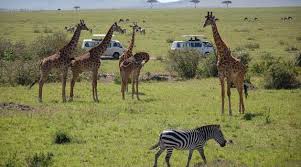
Kenya is poised for an unprecedented boom in domestic tourism, with the government setting an ambitious target of 10 million local tourists in 2025. This vision reflects Kenya’s commitment to redefining travel within its borders, ensuring that the country’s breathtaking landscapes, rich cultural heritage, and world-renowned wildlife reserves are not just the privilege of international visitors but also the pride of its own citizens.
At the heart of this push is a multi-faceted strategy aimed at making travel more accessible, affordable, and attractive to Kenyans from all walks of life. The Ministry of Tourism and Wildlife has rolled out extensive marketing campaigns that showcase the beauty of Kenya, emphasizing that world-class experiences exist right at home. Social media, influencer partnerships, and experiential tours are being leveraged to change perceptions and encourage Kenyans to prioritize domestic travel.
One of the key initiatives driving this growth is the development of innovative and affordable domestic tourism packages. Hotels, lodges, and tour operators have partnered with the government to offer heavily discounted rates for Kenyan travelers, recognizing that affordability has long been a barrier to local tourism. From the pristine beaches of Diani to the awe-inspiring Maasai Mara and the hidden gems of Western Kenya, the industry is ensuring that cost is no longer a deterrent.
Infrastructure development is also receiving major attention, with ongoing upgrades to roads leading to key tourist destinations, improved air travel options, and enhanced digital booking platforms that simplify travel arrangements. The standardization of accommodation through a rigorous classification system, set to begin in early 2025, will further boost domestic confidence by ensuring high service quality across the board.
Beyond leisure tourism, the government is aggressively promoting Meetings, Incentives, Conferences, and Exhibitions (MICE) tourism as a way to drive more local travel. Cities like Nairobi, Mombasa, Kisumu, and Nakuru are being positioned as premier destinations for corporate events, blending business with exploration opportunities. Already, this strategy is bearing fruit, with a sharp rise in bookings for local conferences and team-building retreats.
This revival of domestic tourism is not just about boosting numbers—it is an economic powerhouse in the making. In 2024, Kenya’s tourism earnings reached Ksh. 452 billion, marking a 20% surge from the previous year. With the combined growth of both domestic and international tourism, projections for 2025 suggest that earnings could surpass Ksh. 650 billion. These figures are more than just statistics; they represent thousands of jobs created, businesses revitalized, and a tourism ecosystem that is more resilient than ever.
The ripple effects of this surge are extensive. Local artisans, cultural heritage sites, and small-scale tour operators are experiencing a renaissance as more Kenyans embrace their country’s treasures. Maasai villages, Lamu’s Swahili heritage, and the vibrant music and food festivals across counties are all thriving as demand for authentic local experiences skyrockets.
Kenya is also making bold moves to ensure that the sustainability of its natural heritage is woven into this tourism boom. The refurbishment of the Maasai Mara Research Centre is just one example of the government’s commitment to conservation-driven tourism. Increased funding for wildlife protection, community-based tourism initiatives, and eco-tourism projects are reinforcing Kenya’s position as a global leader in sustainable travel.
Looking ahead, the horizon is bright. The government’s diversified approach to tourism is paying off, with emerging international markets from Poland, the Czech Republic, and Australia adding to the traditional strongholds of the USA, Uganda, China, and India. By 2030, Kenya aims to be Africa’s most visited destination, not just for its iconic safaris but for its year-round tourism appeal.
With every step forward, Kenya is proving that its tourism sector is not just recovering—it is redefining itself. The goal of 10 million domestic tourists in 2025 is more than just a number; it is a statement that Kenya belongs to its people as much as it does to the world. The message is clear: the future of Kenyan tourism is local, vibrant, and unstoppable.