The Kenyan government, under President William Ruto’s administration, is making significant strides in accelerating economic growth and industrialisation through the establishment of the Dongo Kundu and Naivasha Special Economic Zones (SEZs). The $1 billion investment in these SEZs is expected to position Kenya as a manufacturing powerhouse while generating massive employment opportunities, particularly for the youth. With an estimated 40,000 jobs in Dongo Kundu and 100,000 jobs in Naivasha, this initiative marks a bold step towards achieving sustainable industrial transformation.
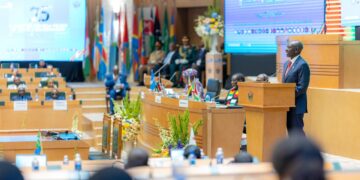
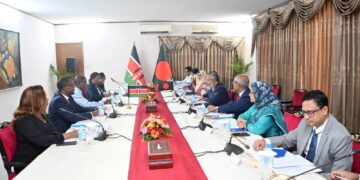
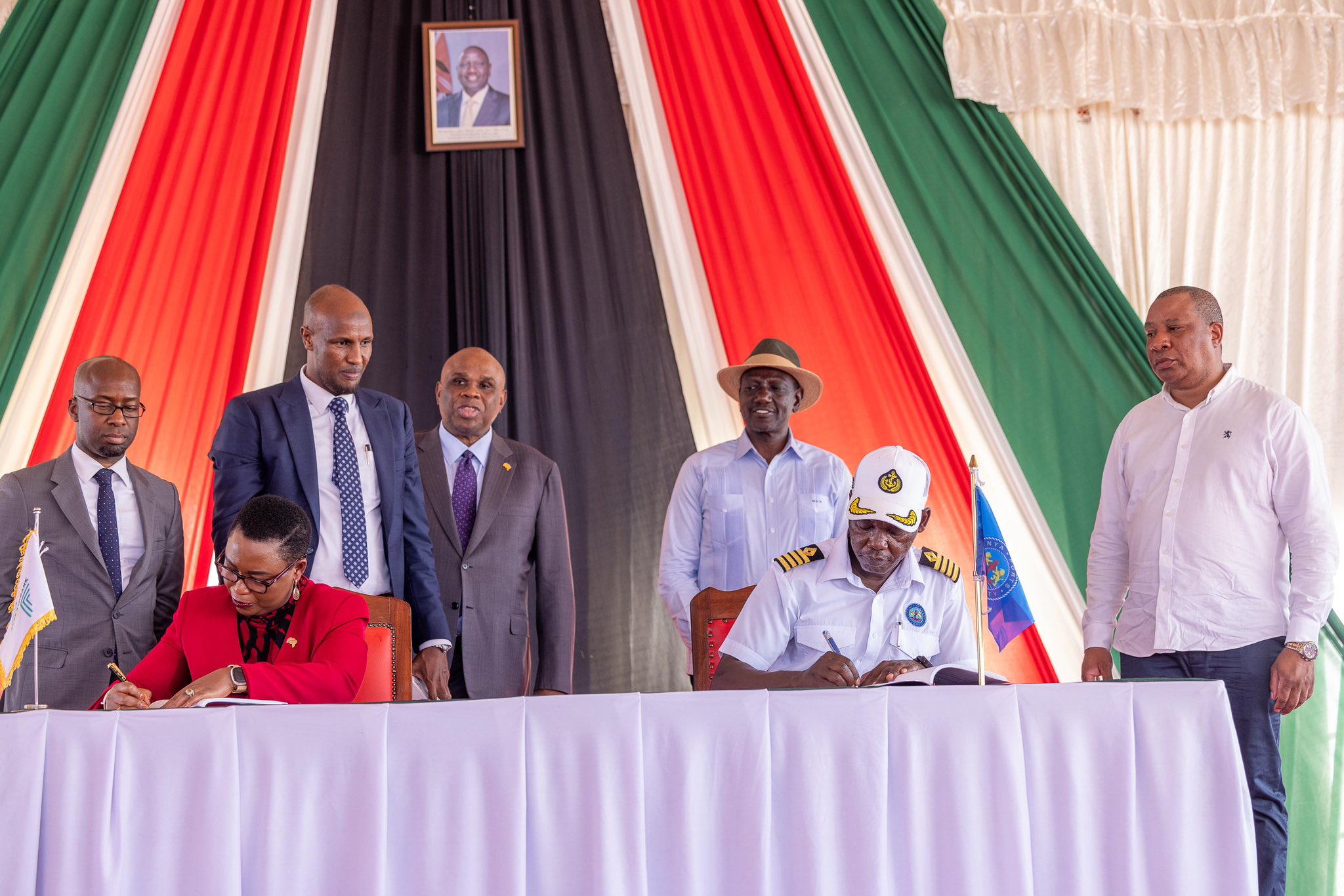
During the signing of lease agreements between the Kenya Ports Authority (KPA), the Special Economic Zones Authority, and Afreximbank, President Ruto underscored the strategic importance of these SEZs. He noted that the partnership reinforces Kenya’s position as a regional export hub by promoting industrialisation, manufacturing, and agro-processing. Additionally, the SEZs are set to enhance intra-African trade under the Africa Continental Free Trade Area (AfCFTA) framework, allowing Kenyan businesses to compete on a broader scale.
The development of industrial parks within the Dongo Kundu and Naivasha SEZs will not only attract local and foreign investors but also create value addition in key industries such as footwear, textiles, pharmaceuticals, petrochemicals, and glass manufacturing. President Ruto highlighted that the government is prioritising these sectors to diversify Kenya’s industrial base and reduce dependence on imported goods, strengthening economic sustainability through domestic production.
A major pillar of this initiative is the Public-Private Partnership (PPP) framework, which is instrumental in mobilising private-sector investment for large-scale infrastructure projects. President Ruto revealed that these agreements are part of a broader $3 billion Memorandum of Understanding (MoU) between Kenya and Afreximbank, aimed at unlocking private-sector participation in strategic economic developments. The PPP approach ensures that industrialisation efforts are sustainable, well-financed, and aligned with global best practices.
The significance of Japan’s support in the Dongo Kundu SEZ was also recognised. The Government of Japan and the Japan International Cooperation Agency (JICA) have played a crucial role in funding critical infrastructure development, including a KSh37 billion concessional loan and a KSh6 billion grant. This funding has facilitated the expansion of port facilities, road networks, and energy infrastructure, making the SEZ more attractive to investors.
To support these developments, the Kenya Ports Authority (KPA) has received 97 applications for land allocation spanning nearly 7,000 acres, indicating high investor confidence. Moreover, Afreximbank has secured 500 acres for an integrated industrial park within the Dongo Kundu SEZ, further strengthening Kenya’s appeal as a preferred industrial destination. Such investments underscore the potential of SEZs to drive economic transformation and attract multinational corporations seeking stable and well-equipped production hubs.
President Ruto has remained steadfast in his call for national optimism and investor confidence. He warned against negative portrayals of the country, stating that Kenya must cultivate a pro-investment environment to sustain economic growth. He emphasized the need for public support and stakeholder collaboration to ensure the successful implementation of SEZ projects, which are critical in realising the goals of Vision 2030 and the Bottom-Up Economic Transformation Agenda (BETA).
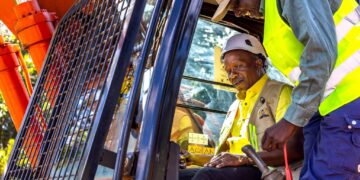
Beyond the SEZs, the government is also focusing on infrastructure development to enhance regional connectivity and industrial access. President Ruto recently launched the 65-kilometer Ilasit-Rombo-Njukini-Taveta Road, linking Kajiado and Taita-Taveta counties. This KSh9.4 billion project is expected to reduce travel time, facilitate trade, and promote tourism in the region. Additionally, KSh800 million has been allocated to expand electricity connectivity to over 10,000 households, ensuring that rural and marginalised communities benefit from the country’s industrial growth.
In alignment with its industrialisation agenda, the government is also rolling out affordable housing projects and upgrading market infrastructure to support small and medium enterprises (SMEs). President Ruto launched the 468-unit Voi Affordable Housing Project and inspected the KSh50 million Maungu Fresh Produce Market, which is designed to provide traders with a modern and conducive business environment.
With the Dongo Kundu and Naivasha SEZs at the core of Kenya’s industrial agenda, the country is on a clear path towards becoming a competitive manufacturing hub in Africa. The strategic investments being made today will not only boost economic productivity and job creation but also ensure long-term sustainability in key industrial sectors. As Kenya embraces this transformative journey, it is evident that the government’s commitment to economic resilience and inclusive growth is unwavering.