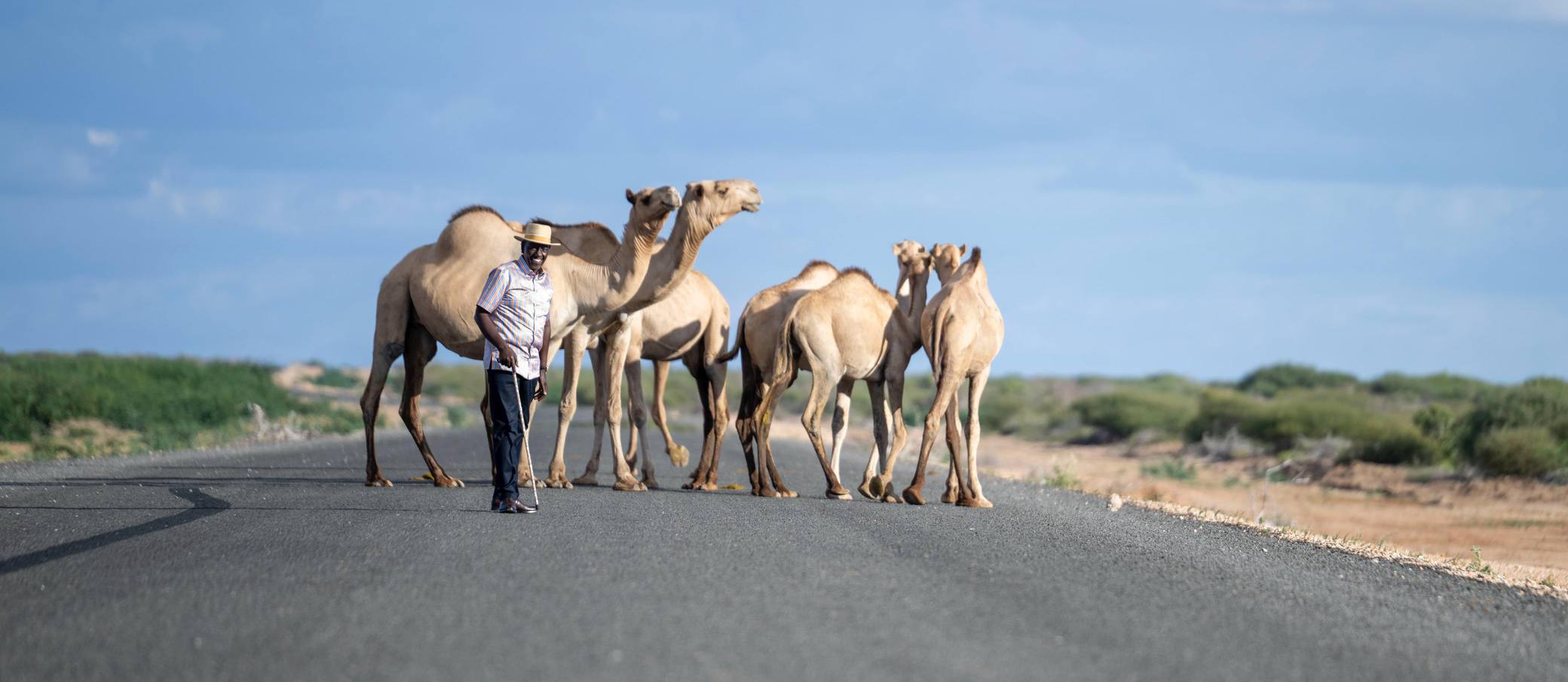
President William Ruto has unveiled an ambitious plan to transform Kenya’s pastoral economy into a modern, investment-driven sector, marking a significant step in the government’s efforts to unlock the economic potential of Arid and Semi-Arid Lands (ASALs). Speaking during the 63rd Madaraka Day celebrations in Wajir County, the President announced a Sh5 billion initiative aimed at empowering pastoral communities through enhanced access to financing, markets, insurance, and value-addition opportunities. The programme is expected to revolutionize livestock production and trade while improving livelihoods across Northern Kenya.
The announcement was warmly received by residents of Wajir County, who praised the government’s renewed focus on a sector that has long sustained millions of people but received limited investment. President Ruto acknowledged the historical neglect of pastoral communities despite livestock being one of Kenya’s most valuable economic assets. He emphasized that his administration is determined to correct this imbalance through targeted reforms and strategic investments designed to position livestock as a major driver of economic growth, job creation, and export earnings.
At the heart of the transformation agenda is the establishment of the County Livestock Investment Company initiative, a Sh5 billion programme that will support more than 350,000 pastoralists across 21 ASAL counties to form and own livestock investment companies. The initiative seeks to enable pastoralists to participate collectively in livestock-related enterprises, strengthen their bargaining power, and increase returns from their livestock resources. The President noted that pastoralists should have the same ownership opportunities enjoyed by tea and dairy farmers through their respective cooperative structures.
President Ruto stressed that livestock should no longer be viewed merely as a subsistence activity but as a thriving commercial enterprise capable of generating substantial wealth. Through investments in meat processing, leather production, dairy value chains, and modern marketing systems, the government aims to increase incomes while reducing dependence on the traditional sale of live animals. The programme is expected to directly and indirectly benefit more than two million household members across Kenya’s ASAL regions.
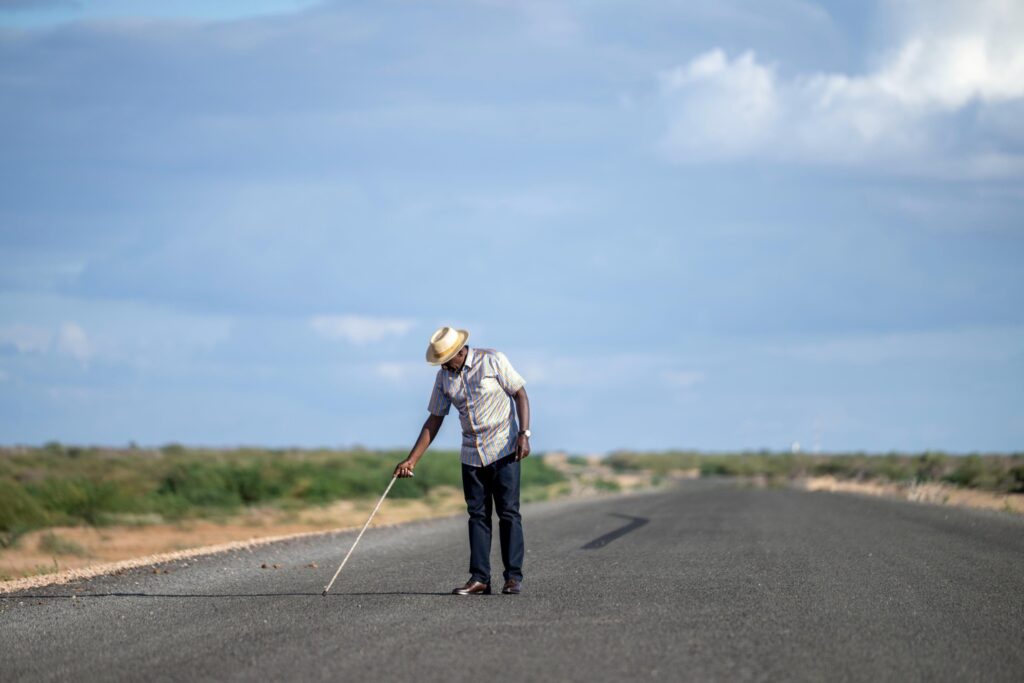
To strengthen livestock production and resilience, the government has significantly increased investments in animal health and climate adaptation measures. The President revealed that more than 10 million animals have been vaccinated through national livestock vaccination campaigns, while vaccine production capacity has been expanded to support disease control efforts. Additional investments in feedlots, hay storage facilities, breeding programmes, and rangeland restoration are helping to safeguard pastoral livelihoods against recurring droughts and environmental challenges.
According to President Ruto, these interventions are already yielding positive results. Kenya’s meat exports have grown by 84 percent, rising from Sh8.9 billion in 2022 to Sh16.4 billion in 2025, reflecting the growing strength of the livestock value chain. Milk production and dairy exports have also registered notable growth. However, the President emphasized that Kenya must move beyond exporting live animals and instead focus on higher-value products such as processed meat, leather goods, and dairy products to maximize earnings from the sector.
The livestock transformation programme is part of a broader development agenda being implemented by the Kenya Kwanza administration in Wajir County and other ASAL regions. In Wajir alone, the government has invested approximately Sh15.6 billion in the development of 4,600 affordable housing units, underscoring the administration’s commitment to expanding infrastructure, creating jobs, and improving living standards. The housing programme complements ongoing investments in roads, water projects, healthcare, education, and economic empowerment initiatives aimed at accelerating development in historically marginalized areas.
To ensure the sustainability of the reforms, the government will operationalize the Livestock Enterprise Development Fund, establish a National Strategic Fodder Reserve, strengthen pastoral cooperatives, and introduce a national animal identification and traceability system to improve access to international markets. Additionally, 2,000 agripreneurs will be deployed across ASAL counties to provide technical support, agricultural advisory services, and market linkages, bringing the total number of extension personnel under the programme to 7,000 nationwide. Through these interventions, President Ruto’s administration is laying the foundation for a modern, resilient, and globally competitive pastoral economy capable of transforming livelihoods and driving inclusive economic growth across Northern Kenya.