Security has been significantly tightened at the Port of Mombasa and other key entry and exit points as the government intensifies efforts to seal drug trafficking routes linked to rising alcohol and substance abuse across the country. The move follows the classification of drug and alcohol abuse as a national emergency, given its far-reaching implications for public safety, social stability and economic productivity.
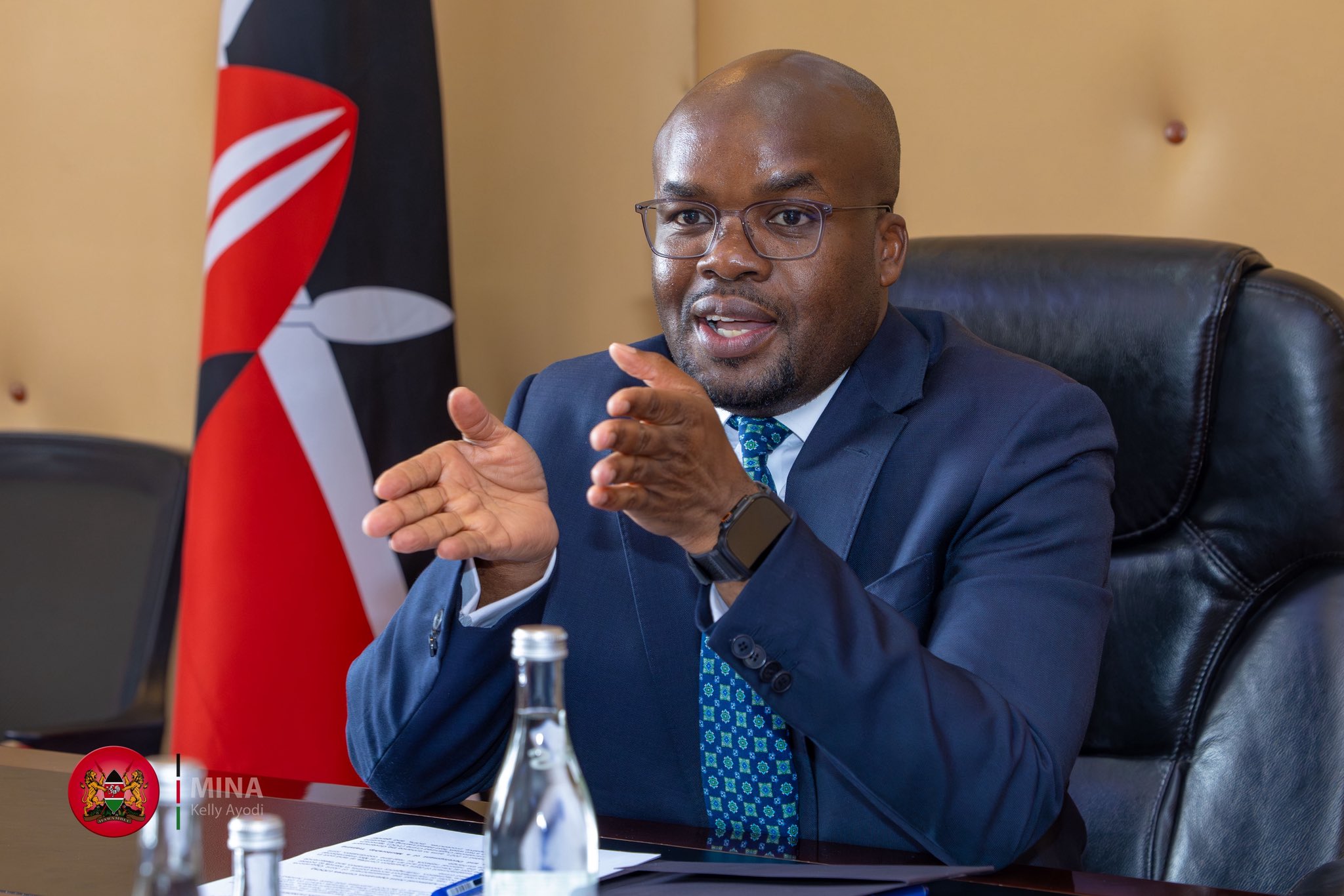
Interior Principal Secretary Raymond Omollo, speaking in Mombasa, said the enhanced security measures are being implemented through joint, intelligence-driven operations coordinated by the Border Control and Operations Coordinating Committee. The framework brings together multiple agencies responsible for border management, ensuring seamless coordination, real-time intelligence sharing and rapid operational response.
According to Dr Omollo, the renewed focus on border security is part of a broader national strategy aimed at disrupting drug supply chains before illicit substances reach local markets. Ports, transit corridors and border points are now under tighter, coordinated monitoring to curb the movement of narcotics and illegal alcohol into and out of the country.
The crackdown follows a presidential proclamation on alcohol and drug control, which directed security agencies to strengthen enforcement while working closely with prevention, rehabilitation and asset recovery institutions. In his New Year’s address, President William Ruto warned that substance abuse had evolved into a nationwide threat, revealing that more than 4.7 million Kenyans aged between 15 and 65 are currently using at least one substance of abuse, with alcohol remaining the most prevalent.
To reinforce enforcement, the Anti-Narcotics Unit within the Directorate of Criminal Investigations is being expanded and retooled to handle complex trafficking networks. The unit is deploying advanced surveillance, intelligence analysis, forensic capabilities and financial investigations, working alongside NACADA, the National Intelligence Service, county governments and international partners. The Assets Recovery Agency has also been tasked with tracing and confiscating properties and finances linked to drug syndicates.
Dr Omollo noted that the intensified operations are already disrupting long-standing trafficking corridors used by organised criminal networks. He said seizures, arrests and closures of illegal operations have increased, while specialised courts are fast-tracking drug-related cases to reduce prosecution delays and improve accountability.
Beyond enforcement, the government has deliberately invested in youth-focused interventions to address the root causes of drug trafficking and substance abuse. By creating opportunities for skills development, employment and entrepreneurship, the State aims to keep young people engaged, productive and away from criminal networks that exploit idleness and vulnerability.
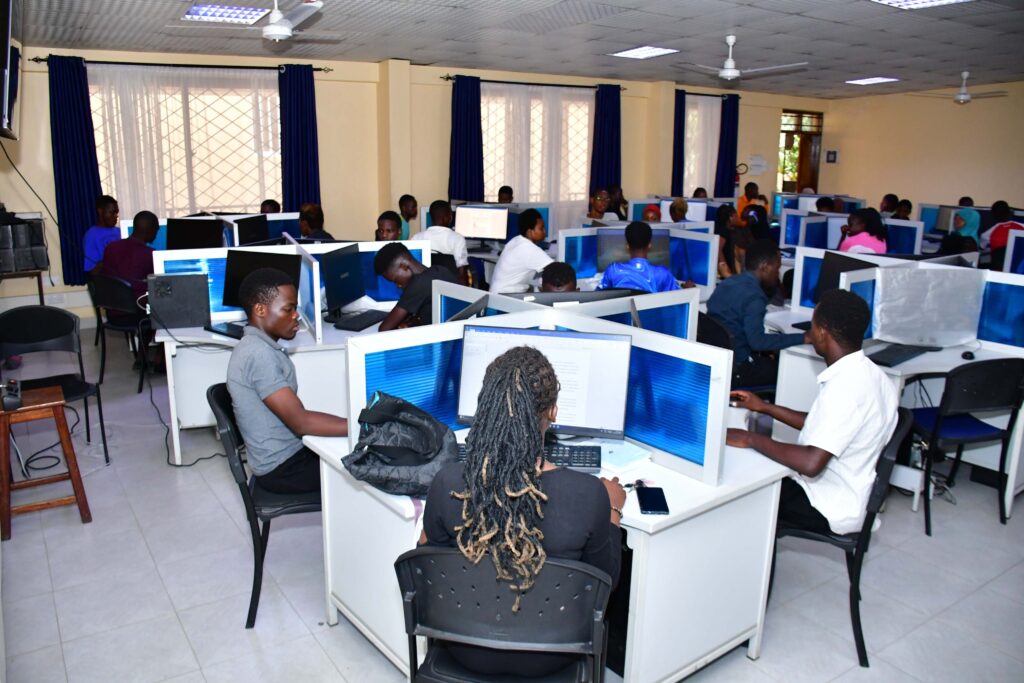
A key example is the Jitume Digital Hub at the Coast National Polytechnic in Mombasa County, which has already benefited about 800 students and community members. Equipped with 100 computers and supported by the Ministry of ICT, the hub offers training in digital skills such as animation, artificial intelligence, graphic design, web design, video editing and online marketing. Through programmes like Ajira Digital and partnerships such as Jumia JForce, the initiative is opening pathways to decent work, self-reliance and a safer, more resilient society—complementing the government’s security efforts at the borders.