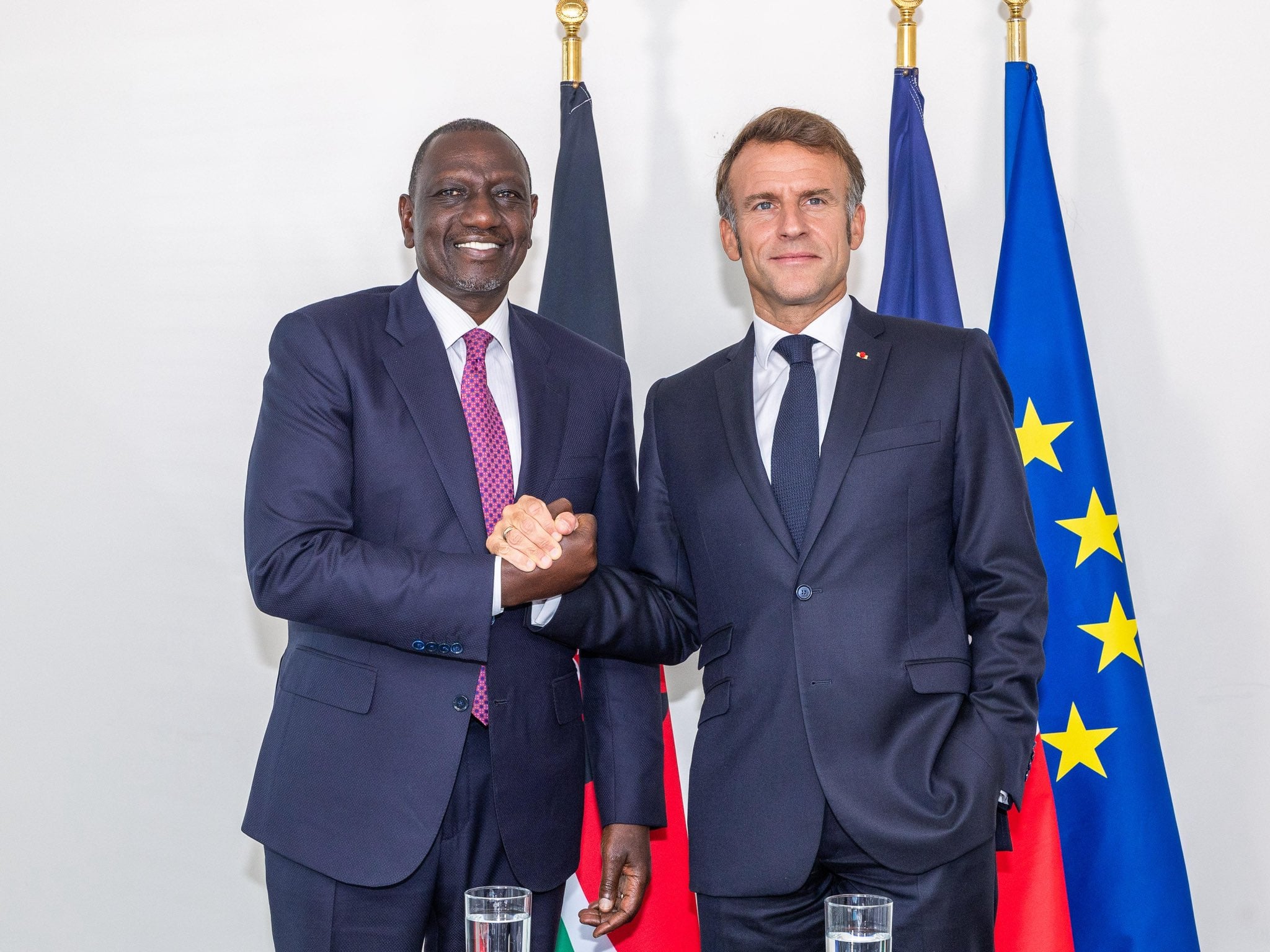
Kenya’s National Assembly has ratified a bilateral defense agreement with France, underlining Paris’s strategic shift away from its traditional West African sphere of influence toward anglophone Africa. The move positions Kenya as a central partner in France’s recalibrated Africa policy, while signaling Nairobi’s intent to deepen external security alliances in response to evolving regional threats and a rapidly changing geopolitical landscape.
At its core, the agreement expands structured cooperation across military training, intelligence sharing, maritime security, and counterterrorism. For Kenya, the deal responds to a complex and shifting threat landscape that includes persistent extremist activity linked to Al Shabaab, rising cyber risks, and vulnerabilities along critical maritime corridors. Enhanced interoperability with French forces is expected to improve operational readiness and coordination, positioning Kenya as a more capable regional security anchor in the Horn of Africa.
The maritime dimension is particularly strategic. With Kenya’s economic future increasingly tied to its blue economy, including port infrastructure, fisheries, and offshore resources, the agreement offers a pathway to strengthen surveillance and protection of vital sea lanes in the Indian Ocean. French expertise in naval operations and maritime intelligence could help secure trade routes that are essential not only to Kenya but to the broader East African region.
Beyond immediate security gains, the agreement opens avenues for defense modernization. Access to advanced training, technology transfer, and potential cybersecurity collaboration could accelerate the professionalization of Kenya’s armed forces. There is also scope for local capacity building through partnerships involving engineers, logistics firms, and defense contractors, creating spillover effects in skills development and industrial growth.
Economically, the deal carries potential secondary benefits. Defense cooperation often drives demand for infrastructure, maintenance services, and supply chains that can involve local enterprises. If managed effectively, this could generate employment and stimulate sectors linked to defense logistics. However, the scale of such benefits will depend on how deliberately local participation is integrated into implementation frameworks.
Strategically, the agreement reflects Kenya’s broader foreign policy approach of diversifying partnerships while maintaining autonomy. By deepening ties with France alongside existing relationships with other global powers, Nairobi is seeking to balance external influences while enhancing its own security capabilities. For Paris, the deal represents a calculated shift toward anglophone Africa following setbacks in countries such as Mali, Niger, and Burkina Faso, where military cooperation arrangements have been scaled back or terminated.
This divergence highlights a changing geopolitical landscape across the continent. While parts of West Africa are distancing themselves from French military presence, Kenya is positioning itself as a reliable partner, leveraging stability and strategic geography to attract defense and economic cooperation. This approach reinforces Nairobi’s ambition to play a leading role in regional security frameworks, including within the African Union and peacekeeping operations.
Despite these advantages, the agreement has triggered notable concerns around sovereignty, accountability, and governance. Provisions allowing French personnel to enter Kenya without standard immigration procedures and to import equipment duty-free are designed to facilitate efficiency but raise legitimate questions about oversight. More contentious is the jurisdiction framework, which grants France primary authority over offences committed by its personnel during official duties.
This issue has resonated strongly with lawmakers, informed by past controversies involving foreign troops stationed in Kenya. Ambiguity over what constitutes official duty risks creating gaps in accountability, particularly in cases involving harm to civilians. There are concerns that such arrangements could undermine constitutional principles of equality before the law and access to justice, potentially eroding public confidence if not carefully managed.
Parliament’s decision to approve the agreement with reservations reflects an attempt to balance strategic gains with domestic safeguards. Calls for clearer jurisdictional provisions, stronger environmental protections, and respect for local communities underscore the need for robust implementation mechanisms. The effectiveness of the agreement will ultimately depend on the strength of oversight institutions and the clarity of enforcement frameworks.
In the long term, the defense pact has the potential to contribute to Kenya’s development goals by enhancing security, improving investor confidence, and supporting industrial capabilities linked to defense and infrastructure. A more secure environment can underpin economic growth and reinforce Kenya’s status as a regional hub for trade and stability.
However, the agreement also serves as a test of governance. Its success will hinge on transparency, accountability, and the ability to ensure that international cooperation aligns with national interests and constitutional values. Managed well, it could strengthen Kenya’s global standing and security resilience. Mismanaged, it risks reinforcing long-standing concerns about unequal partnerships and limited domestic control.

President William Ruto has unveiled a new package of economic measures aimed at easing the cost of living, increasing household incomes, creating employment and accelerating Kenya’s economic transformation,...
Read moreDetails