The government’s plan to connect 7,377 households to electricity across Embu County at a cost of Sh805 million marks a decisive push to translate national energy policy into tangible grassroots outcomes. Anchored in the Last Mile Connectivity Programme, the initiative reflects deliberate public investment and coordinated implementation under Kenya’s broader electrification agenda, with a clear focus on historically underserved communities.
Nearly half of the funding is directed to Mbeere North Constituency, an area that has long exemplified structural inequality in infrastructure access despite its proximity to the Seven Forks hydropower complex. By prioritizing such regions, the project corrects historical imbalances while reinforcing the principle that energy access is not merely a utility issue but a foundation for inclusive economic participation.
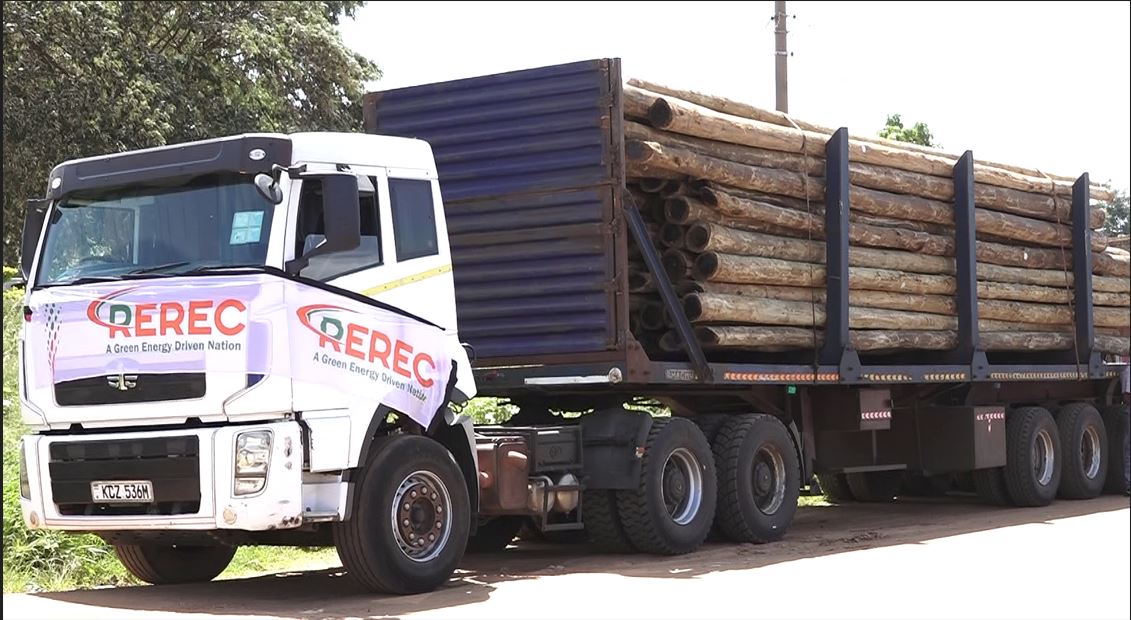
Operationally, the rollout demonstrates a more synchronized approach to infrastructure delivery. The advance procurement and distribution of poles, transformers, conductors, and cables, coupled with phased implementation across multiple localities, reduces delays that have traditionally plagued last-mile projects. Coordination between national agencies and constituency-level planning structures improves sequencing, lowers unit connection costs, and ensures that grid extensions reach viable clusters of households and enterprises rather than isolated endpoints.
The economic implications are immediate and cumulative. Expanded electricity access lowers operating costs for micro, small, and medium enterprises, enabling longer operating hours, mechanization, and entry into higher value activities. In Embu’s agrarian economy, reliable power supports irrigation, cold storage, agro-processing, and value addition for crops such as coffee, macadamia, and horticultural produce. This strengthens farm incomes while retaining more economic value within local communities.
Job creation emerges both directly and indirectly. Construction, installation, and maintenance generate short-term employment, while electrified markets and homesteads stimulate sustained demand for skilled and semi-skilled labor. Youth-led enterprises in welding, ICT services, milling, and light manufacturing become viable, aligning with national priorities on youth employment and enterprise development.
Social outcomes are equally significant. Electrification improves the quality and reach of healthcare through powered medical equipment, cold chains for vaccines, and extended service hours. Schools benefit from lighting, digital learning tools, and improved teacher retention in rural areas. For women, access to electricity reduces time poverty, supports home-based enterprises, and enhances safety, reinforcing gender-inclusive development goals.
Strategically, the Embu programme aligns closely with President William Ruto’s Bottom-Up Economic Transformation Agenda, which emphasizes productive capacity at the household and community level. It also advances Kenya Vision 2030 objectives on industrialization, universal energy access, and balanced regional development. By integrating rural areas into national energy and market systems, the project strengthens rural-urban economic linkages and reduces pressure-driven migration.
Institutional coordination is central to the project’s credibility. Collaboration between the State Department for Energy, Kenya Power, and the Rural Electrification and Renewable Energy Corporation enhances execution discipline, while constituency-level engagement improves beneficiary targeting and community buy-in. Such coordination reduces duplication, enhances accountability, and increases the likelihood that low-income households, farmers, women, and youth are not crowded out by better-connected or wealthier areas.
Governance safeguards remain critical to sustaining public trust. Transparent procurement, standardized material specifications, and digital monitoring of rollout milestones help protect value for money. Grid resilience considerations, including transformer sizing, load forecasting, and integration readiness for renewable and distributed energy solutions, are essential to ensure that new connections deliver reliable and uninterrupted supply rather than nominal access.
In the longer term, Embu’s electrification drive illustrates how infrastructure investment can double as an economic transformation tool when aligned with national strategy and local realities. By extending power from generation hubs to households and enterprises, the government is reinforcing a people-centered development model that reduces regional inequalities and repositions rural counties as productive nodes within Kenya’s growth architecture.
Deputy President Kithure Kindiki has reaffirmed his unwavering commitment to supporting President William Ruto in delivering transformative development projects across the country, as he embarked on an extensive...
Read moreDetails