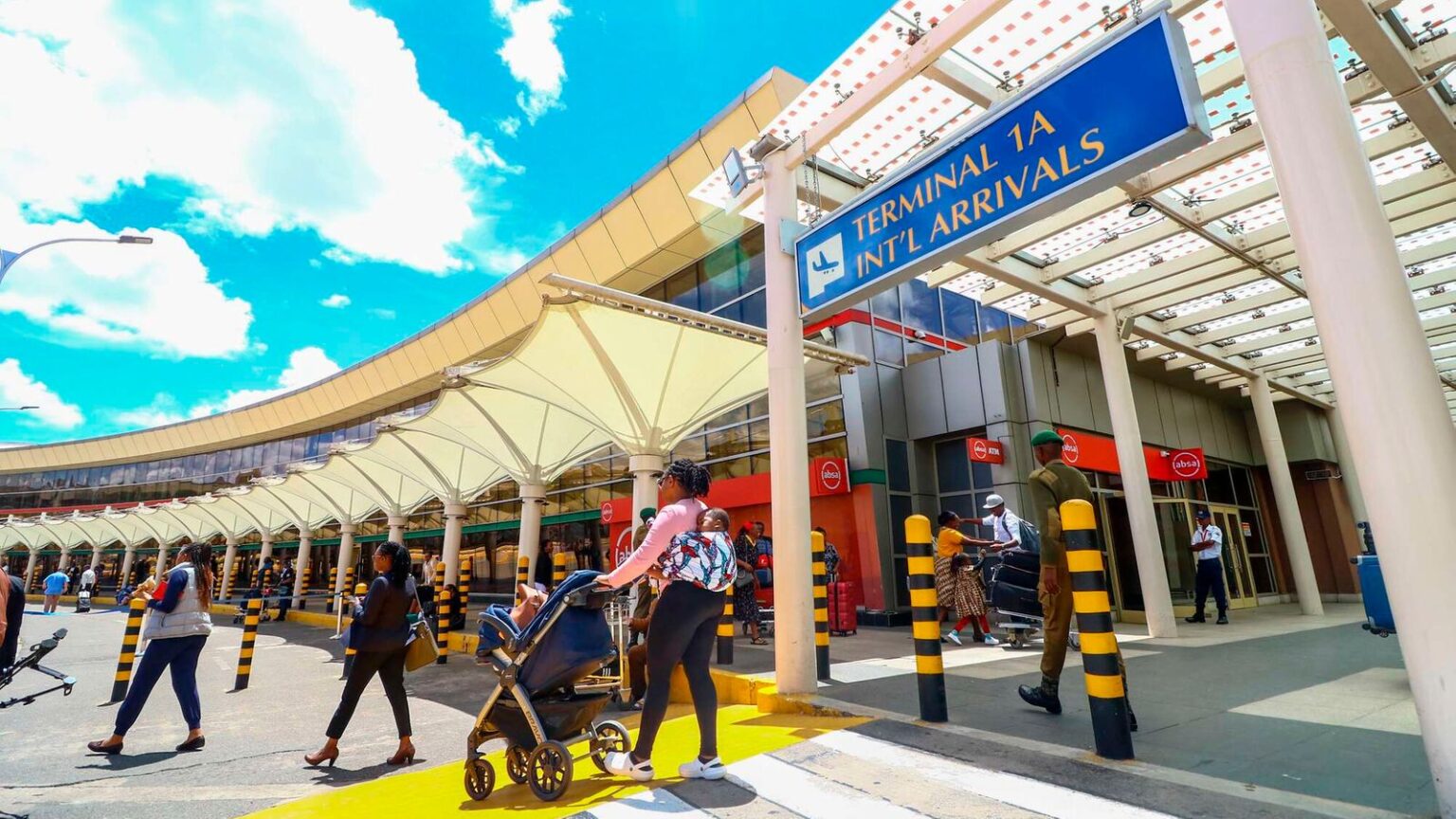
Kenya has formally reactivated a Ksh 250 billion expansion of Jomo Kenyatta International Airport, marking a decisive reset after the cancellation of the previous concession arrangement and signalling renewed intent to defend Nairobi’s position as East and Central Africa’s primary aviation gateway. The move reflects a sharper alignment between infrastructure investment, national economic priorities, and Kenya’s long-term competitiveness as regional rivals accelerate their own airport developments.
With policy direction now firmly anchored at the highest level of government, the JKIA mega expansion is being reframed as a strategic state-led investment supported by structured public private collaboration rather than a single concession-driven model. The shift underscores a more cautious and controlled approach to delivery, risk management, and long-term operational sustainability.
At the core of the plan is a phased expansion designed to resolve JKIA’s structural constraints while allowing capacity to scale in line with demand. A new X-shaped passenger terminal will significantly raise annual handling capacity beyond current levels, easing chronic congestion and improving passenger flow through clearer separation of domestic and international operations. This is expected to enhance processing efficiency, reduce turnaround times, and strengthen the airport’s appeal to global carriers assessing route viability in the region.
The long-awaited second runway represents one of the most strategically important components of the project. By enabling simultaneous take-offs and landings, JKIA will finally overcome the single-runway vulnerability that has historically exposed the airport to full operational shutdowns from minor incidents. The improvement directly strengthens safety, reliability, and airline confidence while supporting higher traffic volumes and tighter scheduling.
Beyond passenger growth, the expansion places strong emphasis on cargo handling and logistics. Enhanced freight capacity, streamlined customs processes, and improved airside infrastructure are expected to reinforce Nairobi’s role as a regional trade and distribution hub. This is particularly significant for time-sensitive exports, e-commerce logistics, and regional supply chains that increasingly depend on efficient air freight connectivity.
The inclusion of an Airport City introduces a deliberate diversification strategy. By integrating hotels, logistics parks, commercial offices, and service zones, JKIA is being repositioned as a multi-use economic node rather than a standalone transport facility. This model is designed to generate non-aeronautical revenue, strengthen financial sustainability, and reduce long-term dependence on passenger fees.
Regionally, the expansion is a direct response to intensifying competition. Ethiopia’s large-scale airport development and Rwanda’s new international facility have raised the stakes for hub dominance, airline traffic, and investment flows. Kenya’s renewed momentum signals that Nairobi intends not only to remain relevant but to compete aggressively on capacity, efficiency, and service quality.
Operational delivery will hinge on disciplined project management and effective contractor coordination. Phased execution allows sections of the airport to remain fully functional during construction while enabling early benefits from completed components. Advanced project oversight, performance-based contracting, and tight milestone management are expected to reduce delays and cost overruns that have plagued past infrastructure efforts.
Environmental safeguards and resilience planning form a critical pillar of the project. Energy-efficient terminal design, water management systems, and modern waste handling are being integrated to meet sustainability benchmarks while lowering long-term operating costs. Technology adoption, including digital passenger processing, automated baggage systems, and enhanced security platforms, is expected to improve safety, data visibility, and operational continuity.
Maintenance strategy is being embedded from the outset, with lifecycle planning aimed at preventing the infrastructure decay that has undermined previous upgrades. This approach prioritises asset longevity, predictable maintenance costs, and consistent service standards.
Strategically, the JKIA expansion aligns closely with President William Ruto’s Bottom-Up Economic Transformation Agenda by linking infrastructure investment to job creation, trade facilitation, tourism growth, and inclusive economic participation. It also reinforces Kenya Vision 2030 objectives by modernising a critical national gateway that underpins business competitiveness, diplomatic engagement, and regional integration.
As construction moves toward implementation, attention is firmly on execution capacity and institutional discipline. The success of the JKIA mega expansion will ultimately be measured not by announcements but by delivery, performance, and the ability to translate infrastructure into tangible economic outcomes. Taken together, the rebooted JKIA expansion signals a clear statement of intent. Kenya is recommitting to world-class infrastructure as a foundation for global competitiveness, citizen-centered growth, and long-term economic resilience.
Deputy President Kithure Kindiki has reaffirmed his unwavering commitment to supporting President William Ruto in delivering transformative development projects across the country, as he embarked on an extensive...
Read moreDetails