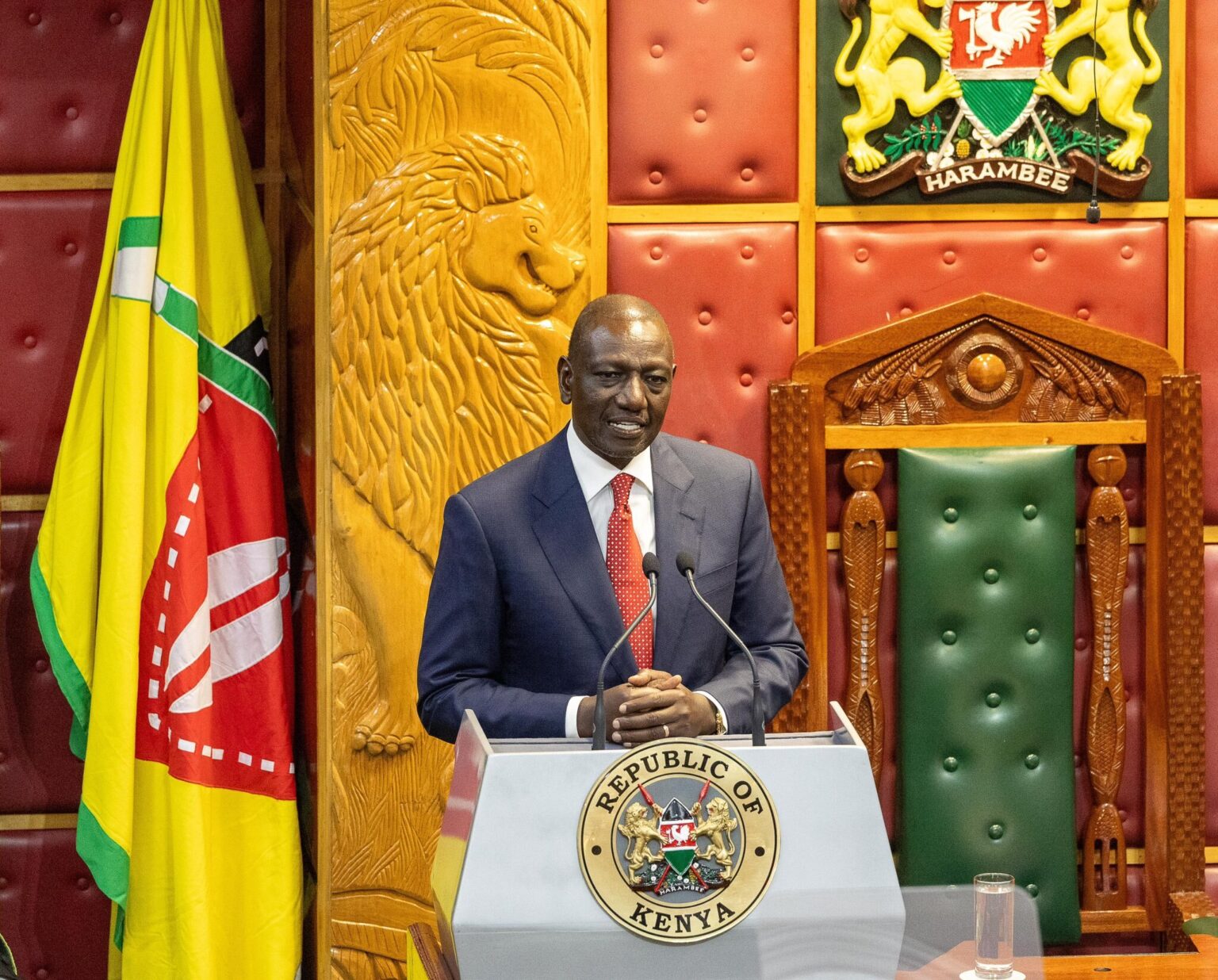
President William Ruto has positioned the newly established National Infrastructure Fund as the flagship mechanism for financing Kenya’s next phase of economic development without piling onto the country’s debt burden or increasing taxes. In his third State of the Nation Address delivered before a joint sitting of Parliament, Ruto said the Fund represents a strategic shift away from Kenya’s historical reliance on heavy borrowing, calling it a cornerstone of a more sustainable growth model.
Ruto explained that proceeds from the privatisation of State assets will be ring-fenced within the Infrastructure Fund, forming the initial seed capital to attract large-scale investment from pension funds, sovereign wealth partners, private equity firms, and international development financiers. This model, he said, will allow Kenya to leverage private-sector capital while retaining public ownership of strategic national assets. He described the Fund as “an innovative framework to scale up our resources to match our ambition.”
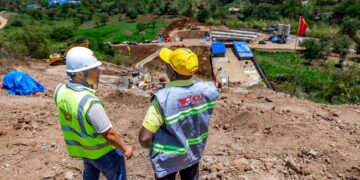
The President affirmed that the multiplier structure behind the Fund will enable the government to deliver critical national projects—such as roads, energy, and water infrastructure—without raising taxes or resorting to expensive foreign loans. By reducing fiscal pressure while accelerating development, the Fund is expected to help stabilise public finances and restore investor confidence.
Ruto also highlighted the Sovereign Wealth Fund (SWF) as a complementary institution designed to safeguard Kenya’s long-term economic interests. He said the SWF will be built around three strategic pillars: savings to secure national wealth, stabilisation to shield the economy from global shocks—including commodity volatility and pandemics—and infrastructure investment to catalyse private-sector participation in priority projects. Together, the two funds aim to create a sustainable pipeline of financing for national development.
The President first launched both funds in October 2025, following the enactment of a new privatisation law that unlocked capital mobilisation from the sale and restructuring of government-owned enterprises. The reforms are intended to modernise asset management, improve efficiency, and create new channels for long-term investment.
Since then, the National Treasury has published a draft Sh200 billion Sovereign Wealth Fund Bill outlining the governance, investment guidelines, and transparency mechanisms required for managing proceeds from natural resources and privatisation. If fully implemented, the Infrastructure Fund and SWF are expected to reshape Kenya’s development financing landscape, reducing fiscal risks while enabling the country to fund the infrastructure required to support productivity, competitiveness, and sustained economic growth.