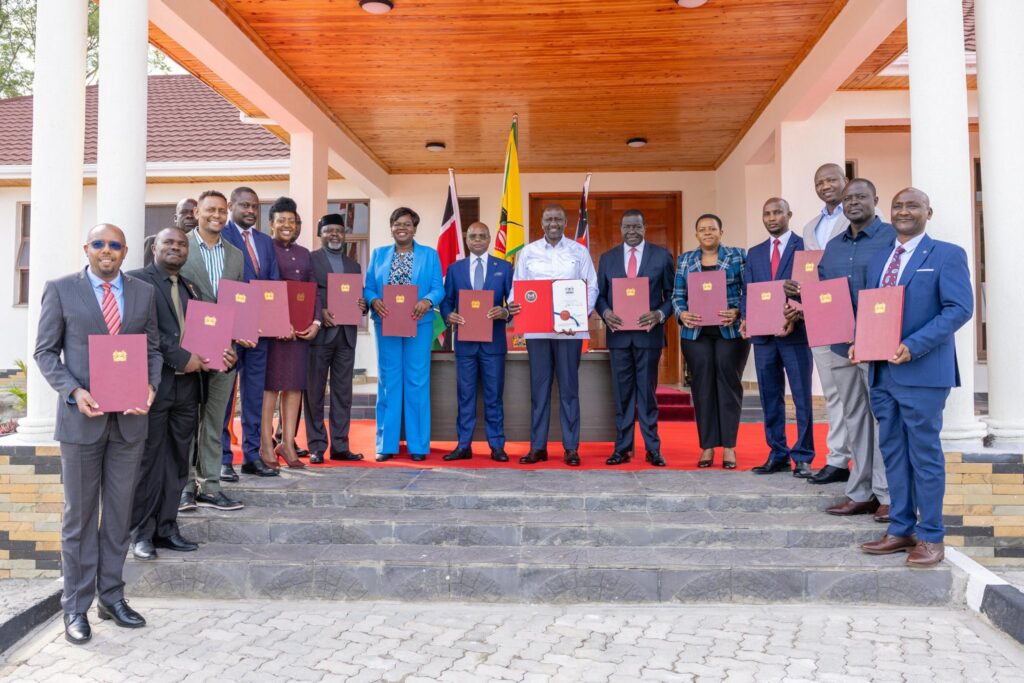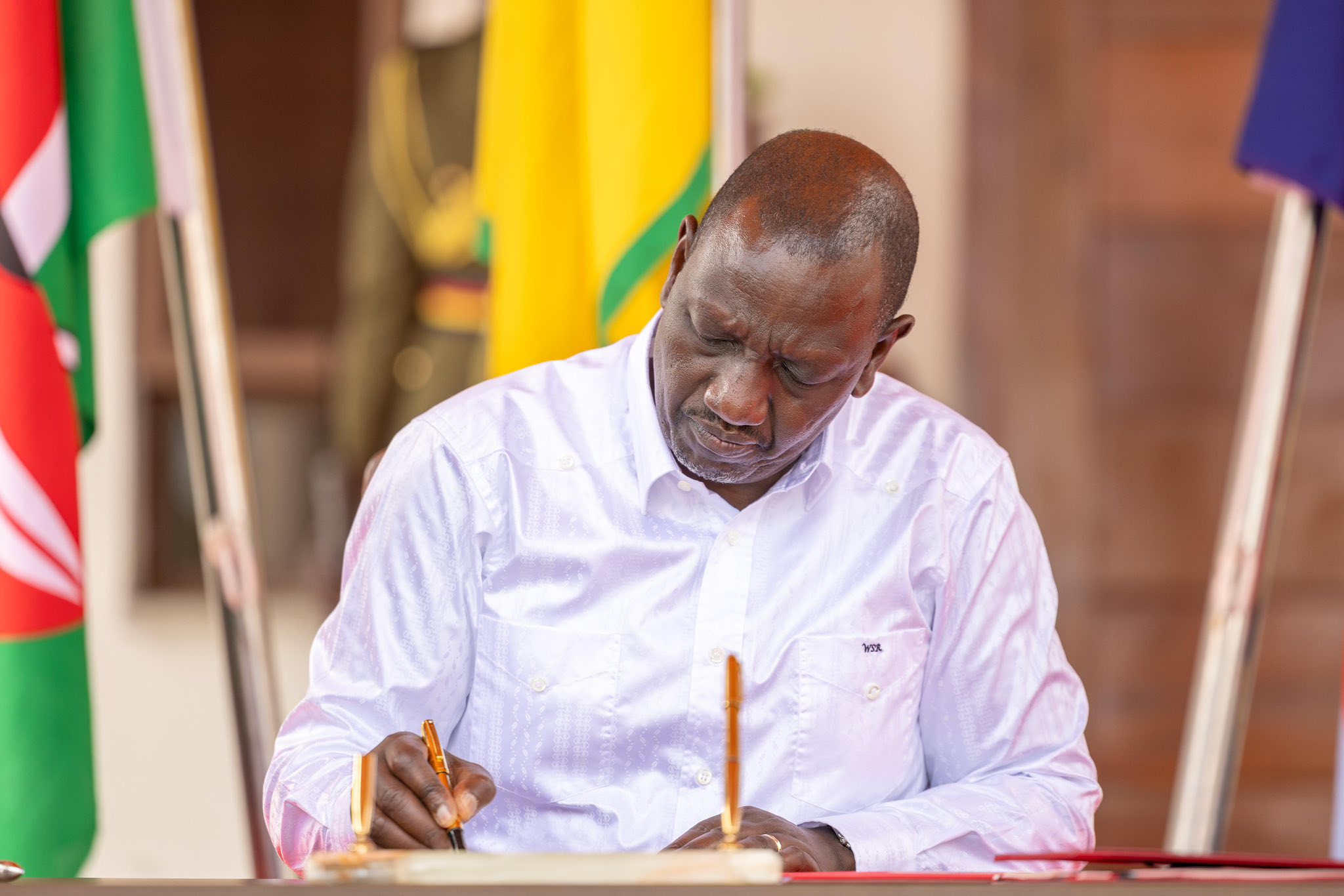
Kenya’s counties are set to receive a significant financial boost following President William Ruto’s assent to the County Allocation of Revenue Bill, 2025 and the County Public Finance Laws (Amendment) Bill, 2023. The move, made at the State Lodge in Homa Bay, underscores the President’s firm commitment to strengthening devolution and ensuring county governments have the resources needed to deliver quality services to citizens across the country. This gesture sends a clear signal that the national government is determined to empower counties to perform optimally and address pressing local needs.
The allocation for the 2025/2026 financial year has been increased to KSh415 billion, representing a KSh30 billion rise from the previous year’s KSh387 billion. This substantial increment is aimed at enhancing the capacity of county governments to improve service delivery at the grassroots. According to President Ruto, the additional resources reflect the government’s unwavering support for devolution as the engine of equitable development and as a means to ensure all Kenyans benefit from national growth.
One of the key benefits of the increased allocation is that county bosses will now have more financial leeway to settle pending bills, which have been a persistent challenge in many counties. With adequate funds at their disposal, county administrations can not only honor existing financial obligations but also focus on implementing new development projects that are aligned with their local priorities. This will foster a healthier business environment and restore the confidence of suppliers and contractors working with counties.
The County Public Finance Laws (Amendment) Bill, 2023, sponsored by Senator Kathuri Murungi, introduces an important reform by amending the Public Finance Management Act to provide for the establishment of a County Assembly Fund in each county. This fund will strengthen the operational and oversight functions of county assemblies, enabling them to execute their constitutional mandates more effectively. By streamlining financial management, the reform is expected to improve accountability, transparency, and efficiency in county governance.
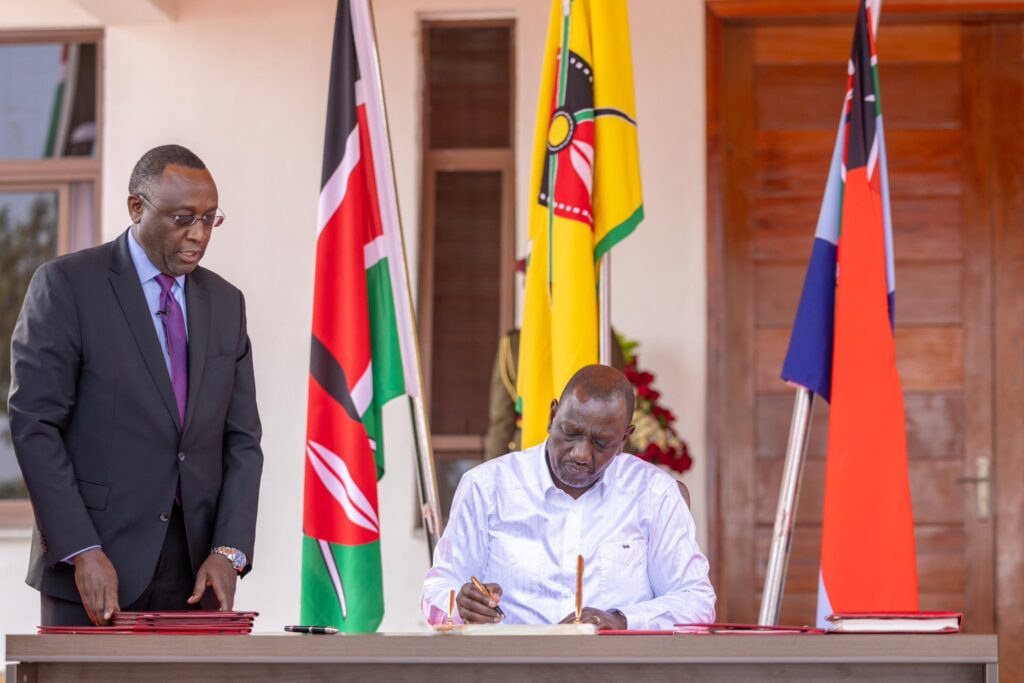
President Ruto emphasized that the significant increase in equitable revenue share is not merely about numbers but about the government’s responsibility to mobilize more resources to directly impact people’s lives. He highlighted that by boosting funding for counties, the government is investing in better health services, improved infrastructure, expanded agricultural support, and enhanced access to clean water, among other critical development areas. This aligns with the broader vision of making counties self-sustaining engines of economic growth.
The twin legislations represent a milestone in Kenya’s devolution journey, ensuring that counties are better equipped to meet the needs of their residents. With more funds and improved financial governance structures, county governments can now focus on implementing transformative projects that drive socio-economic progress. As the country looks ahead, the expectation is that this increased fiscal space will translate into tangible development outcomes that uplift communities and bring government services closer to the people.