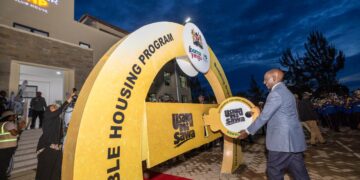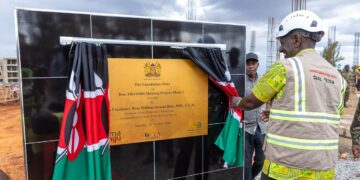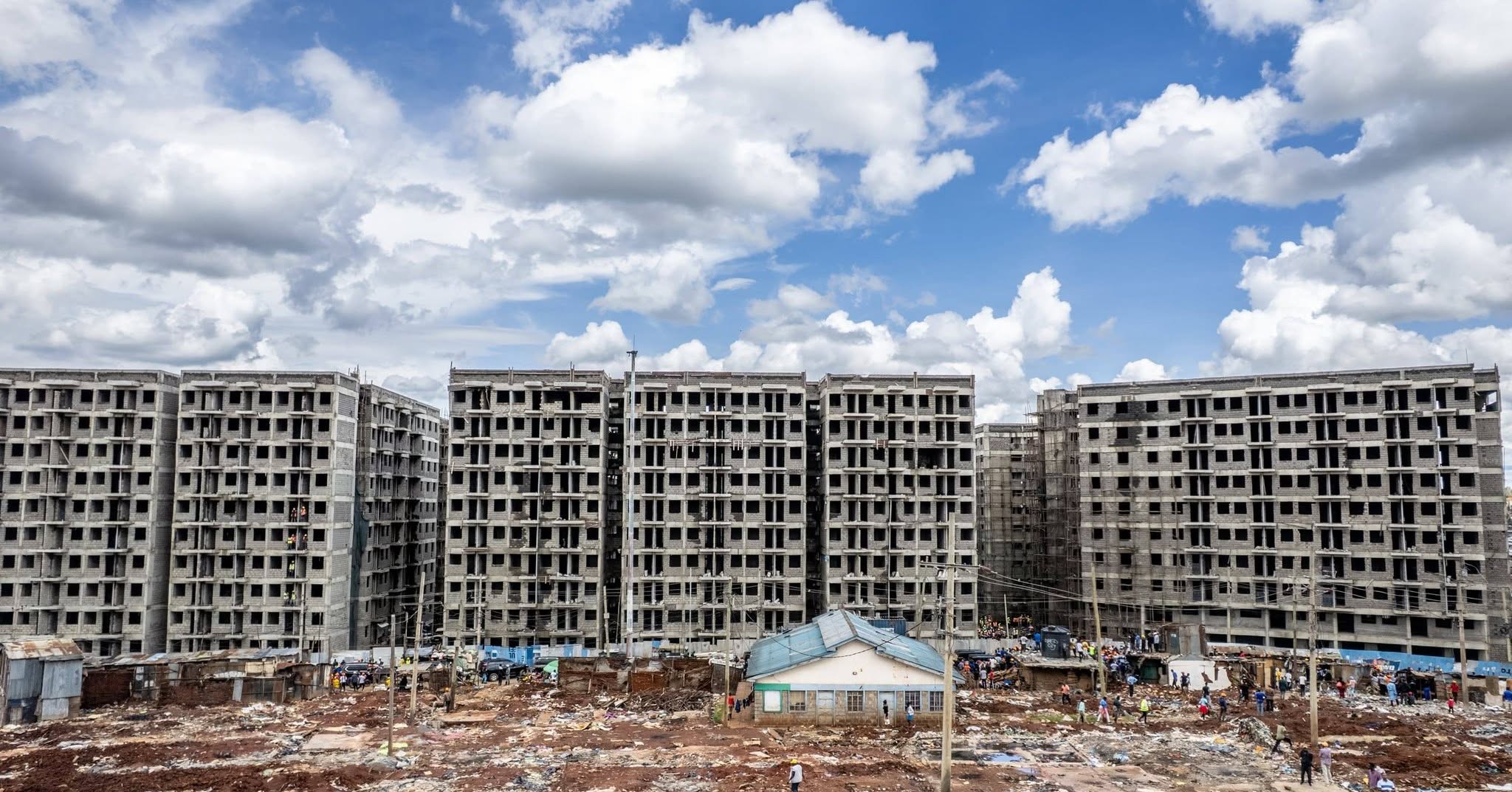
Affordable housing is emerging as a powerful tool for transforming informal settlements into safer, healthier and more dignified communities. The Kibra Soweto Zone B housing project demonstrates how slum eradication can move beyond replacing structures to creating modern neighbourhoods designed to support families, economic activity and long-term community wellbeing.
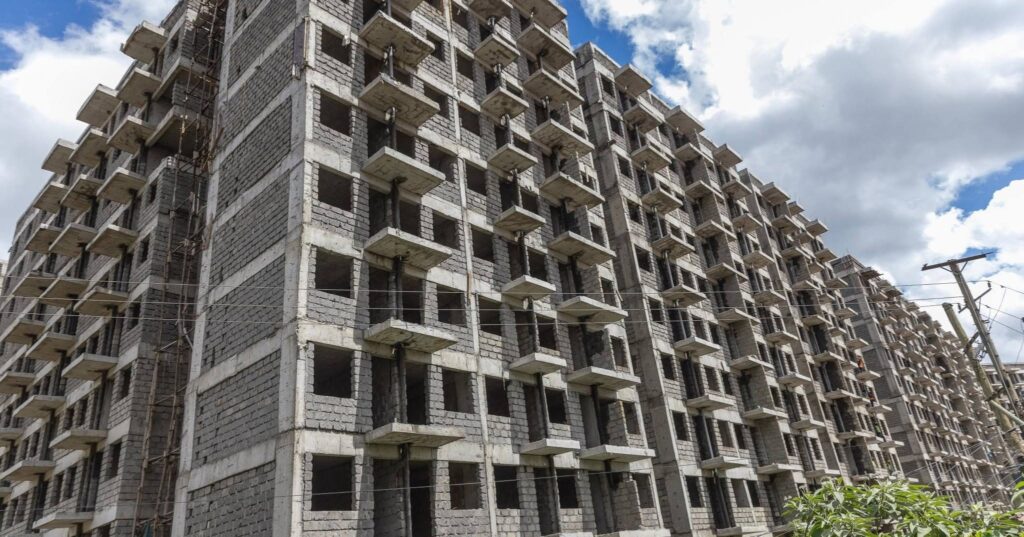
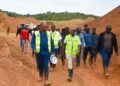
In Kibra, Phase I of the Soweto Zone B project is delivering 4,054 modern homes across 18 high-rise blocks, providing residents with improved housing conditions and better-organised living spaces. Phase II in Zones C and D is also underway, with clearance progressing and a contractor on site to deliver an additional 15,000 housing units, significantly expanding the transformation of the area.
The development places affected families at the centre of the transformation. Relocated families will be among the first beneficiaries of completed units, while identification cards have already been issued. This approach provides residents with a pathway from overcrowded and vulnerable informal housing into more secure homes, while creating a foundation for stronger and more resilient neighbourhoods.
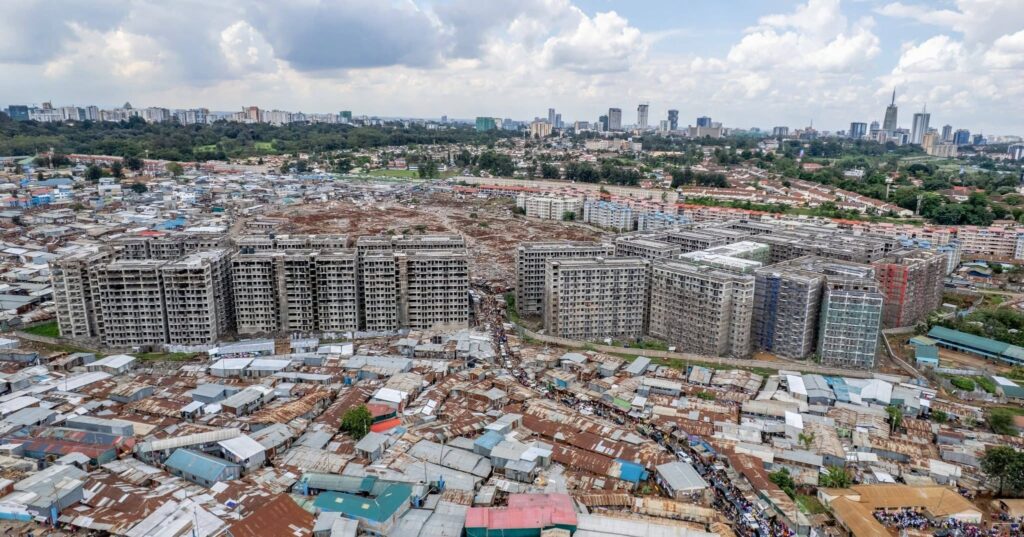
Importantly, the development is not limited to housing units. The master plan incorporates shops, Early Childhood Development centres, clinics, community halls, water, electricity, sewerage and drainage. These essential amenities support everyday living and community wellbeing, ensuring that residents have access to services within their neighbourhood rather than living in housing developments without the infrastructure needed for sustainable communities.
Affordable housing can also become an engine of local economic empowerment. The Kibra project is creating jobs and business opportunities for young people and women, linking physical transformation with livelihoods. By integrating commercial spaces and employment opportunities into emerging neighbourhoods, slum eradication can help residents participate directly in the economic growth generated by redevelopment.
Ultimately, integrated affordable housing offers a pathway to building stronger neighbourhoods equipped for future growth. The transformation of Kibra under the Affordable Housing Programme advances the BETA goal of upgrading informal settlements while improving dignity, access to essential services and economic opportunity. Slum eradication is therefore not simply about demolishing old structures—it is about creating inclusive, organised and sustainable communities where families can live, work and prosper.