Politico Affairs
  • Home
  • Politics
  • Technology
  • Economy
No Result
View All Result
Politico Affairs
  • Home
  • Politics
  • Technology
  • Economy
No Result
View All Result
Politico Affairs
No Result
View All Result
Home Agribusiness

Kenya’s Plan to Cut Wheat Imports by 17%: Government Backs Farmers for Increased Production

sage whitman by sage whitman
March 14, 2025
in Agribusiness, AGRICULTURE, Economy
0
Kenya’s Plan to Cut Wheat Imports by 17%: Government Backs Farmers for Increased Production
77
SHARES
1.3k
VIEWS
Share on FacebookShare on Twitter

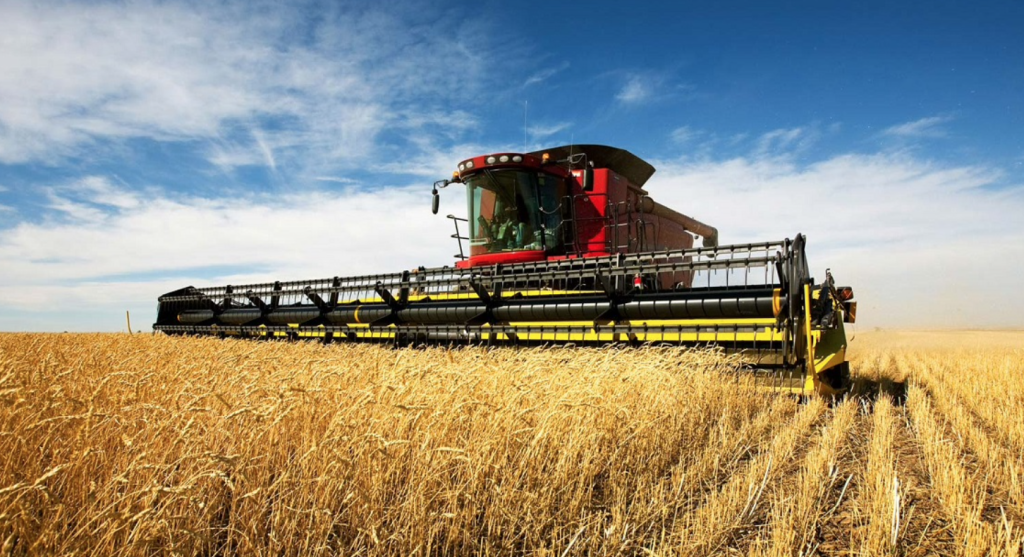
Kenya is on a determined path to revolutionize its wheat sector, aiming to cut imports by 17% by 2027. This ambitious goal signals a major push to empower local farmers, enhance national food security, and fortify the economy against external market shocks. With a current reliance on imports for 92% of its wheat demand, Kenya’s government is mobilizing resources and strategies to close this gap and unlock the potential within its own fields.

You might also like

President Ruto and Dangote Launch Lamu Refinery as Kenya Positions Coast for Maritime Transformation

President Ruto Calls for Shift from Aid to Investment to Drive Africa’s Economic Transformation

Kenya, Norway and US to Co-Host Africa Clean Cooking Summit, Boosting Nairobi’s Clean Cooking Investment Drive

Agriculture and Food Authority (AFA) Director General Bruno Linyiru underscores the nation’s untapped potential. He highlights the government’s commitment to supporting farmers through a suite of interventions under the Bottom-Up Economic Transformation Agenda (BETA). This includes subsidized fertilizers, minimum guaranteed prices, e-extension services, soil testing, and access to improved seed varieties. Such measures not only reduce production costs but also boost yields, making wheat farming a more viable and attractive venture.

A key pillar of the strategy is the expansion of wheat-growing regions beyond traditional strongholds like Narok, Timau, and Mau. Counties such as Laikipia, Samburu, and Marsabit are emerging as new frontiers, offering suitable conditions for high-yielding wheat varieties like Farasi, Kangaroo, and Sungura. This geographical diversification is a forward-thinking move that spreads production risk and opens economic opportunities in less-explored agricultural areas.

Kenya’s wheat farmers stand to gain significantly from these reforms. Enhanced access to clean, high-yield seed varieties, coupled with subsidized fertilizers and improved agricultural practices, equips farmers to produce more efficiently. The enforcement of minimum guaranteed prices further provides a safety net, ensuring farmers receive fair compensation for their hard work. Such stability is crucial to incentivizing long-term investments in wheat farming.

The economic ripple effects of increased local wheat production are profound. By reducing reliance on imports — particularly from Russia, Ukraine, and the European Union — Kenya can buffer itself against global supply chain disruptions and price volatility. This resilience is especially critical given the ongoing geopolitical tensions that have caused wheat prices to soar. Local production not only cushions the economy but also keeps bread, flour, and other staples affordable for Kenyan households, particularly urban communities vulnerable to food price spikes.

Moreover, empowering the wheat sector fuels job creation across the entire value chain — from farming and logistics to milling and retail. As production scales up, more employment opportunities emerge, invigorating rural economies. Enhanced local supply also encourages millers to forge stronger backward linkages with farmers, fostering a more integrated and sustainable wheat ecosystem.

Food security, a longstanding concern in Kenya, stands to improve markedly with increased domestic production. A nation less dependent on imports is more secure in its ability to feed its population, especially during global crises. Kenya’s proactive approach ensures that even as wheat demand grows — projected at 2.2 to 2.4 million metric tons annually — the country builds a stronger, more self-reliant food system.

Challenges remain, from land fragmentation and short-term leases to pests like the Quelea Quelea bird. Yet, the government’s interventions, coupled with private sector collaboration, present a roadmap to overcome these hurdles. The National Cereals and Produce Board’s (NCPB) commitment to swift payments within 14 to 21 days further ensures farmers stay liquid, motivating continued production.

Kenya’s push to revitalize its wheat industry is a testament to resilience, innovation, and a bold vision for agricultural self-sufficiency. By prioritizing farmer support, expanding production zones, and stabilizing market dynamics, the country is not just reducing imports — it’s cultivating a future of food security, economic growth, and rural prosperity. As fields in Laikipia, Samburu, and Marsabit begin to sway with golden wheat, they symbolize more than a crop; they embody Kenya’s resolve to rise, grow, and thrive on its own soil.


Share31Tweet19
sage whitman

sage whitman

Recommended For You

President Ruto and Dangote Launch Lamu Refinery as Kenya Positions Coast for Maritime Transformation

by Harper Vaughn
October 1, 2026
0
President Ruto and Dangote Launch Lamu Refinery as Kenya Positions Coast for Maritime Transformation

30 September 2026 marked a major milestone in Kenya’s industrial and maritime development agenda as President William Ruto and Nigerian industrialist Aliko Dangote broke ground for the Dangote...

Read moreDetails

President Ruto Calls for Shift from Aid to Investment to Drive Africa’s Economic Transformation

by Harper Vaughn
September 25, 2026
0
President Ruto Calls for Shift from Aid to Investment to Drive Africa’s Economic Transformation

President William Ruto has called for a fundamental shift in Africa’s economic relations with the rest of the world, urging countries to move from reliance on development aid...

Read moreDetails

Kenya, Norway and US to Co-Host Africa Clean Cooking Summit, Boosting Nairobi’s Clean Cooking Investment Drive

by sage whitman
September 23, 2026
0
Kenya, Norway and US to Co-Host Africa Clean Cooking Summit, Boosting Nairobi’s Clean Cooking Investment Drive

Kenya will co-host the second Africa Clean Cooking Summit in Nairobi on January 27 and 28, 2027, alongside Norway and the United States, placing the country at the...

Read moreDetails

Nairobi To Get $294 Million, 10,000-Seat Arena As Sports And Entertainment Economy Gets Major Lift

by sage whitman
September 21, 2026
0
Nairobi To Get $294 Million, 10,000-Seat Arena As Sports And Entertainment Economy Gets Major Lift

Nairobi is set for a $294 million private-sector investment in a 10,000-seat multipurpose arena and entertainment district at Nairobi Railway City, marking one of the capital's most significant...

Read moreDetails

East Africa Launches Horticulture Council IN Nairobi To Cut Trade Bottlenecks

by sage whitman
September 16, 2026
0
East Africa Launches Horticulture Council IN Nairobi To Cut Trade Bottlenecks

East Africa’s horticulture industry is set to gain a unified regional platform in Nairobi next week with the launch of the Horticulture Council of Eastern Africa (HoCEA), as...

Read moreDetails
Next Post
Kenya Eyes 3 Million Tourists in 2025 as Government Interventions Spark Tourism Boom

Kenya Eyes 3 Million Tourists in 2025 as Government Interventions Spark Tourism Boom

Leave a Reply Cancel reply

Your email address will not be published. Required fields are marked *

Related News

Kenya Announces A 10,000-Officer Recruitment Which Marks a Strategic Security Milestone for East Africa

Kenya Announces A 10,000-Officer Recruitment Which Marks a Strategic Security Milestone for East Africa

April 11, 2025
President Ruto’s Address in US

President Ruto’s Address in US

June 24, 2024
Stop Attacking IEBC and Present Alternative Development Agenda – DP Kindiki Tells Opposition

Stop Attacking IEBC and Present Alternative Development Agenda – DP Kindiki Tells Opposition

August 31, 2026

Browse by Category

  • Africa
  • Agribusiness
  • AGRICULTURE
  • Blue Economy
  • Climate
  • Counties
  • Development
  • Diplomatic Relations
  • Economy
  • Education
  • Energy
  • Finance
  • Geopolitics
  • Green Economy
  • Health
  • ICT
  • Infrastructure
  • Maritime
  • Mining
  • Politics
  • Security
  • Society
  • Sport
  • Technology
  • Tourism
  • Trade
  • Uncategorized
  • Water
  • World
  • Youth
Politico Affairs

Cut through the noise and stay informed on the issues that matter most. Get the latest news, in-depth analysis, and trusted insights on politics, tech, and the global economy – all in one place. Whether you're looking for unbiased reporting on the latest political developments, diving deep into the stories shaping the tech world, or making sense of the ever-changing market landscape, we've got you covered. Join the conversation and subscribe to stay ahead of the curve.

CATEGORIES

  • Africa
  • Agribusiness
  • AGRICULTURE
  • Blue Economy
  • Climate
  • Counties
  • Development
  • Diplomatic Relations
  • Economy
  • Education
  • Energy
  • Finance
  • Geopolitics
  • Green Economy
  • Health
  • ICT
  • Infrastructure
  • Maritime
  • Mining
  • Politics
  • Security
  • Society
  • Sport
  • Technology
  • Tourism
  • Trade
  • Uncategorized
  • Water
  • World
  • Youth

BROWSE BY TAG

Bitcoin Cryptocurrencies Defense E-Commerce Fed Tapering Market Stories Obligation Politics Strategy Tax Trading

© 2026 PoliticalAffairs - Premium political site. PA.

No Result
View All Result
  • Home
  • Politics
  • Technology
  • Economy

© 2026 PoliticalAffairs - Premium political site. PA.

Are you sure want to unlock this post?
Unlock left : 0
Are you sure want to cancel subscription?