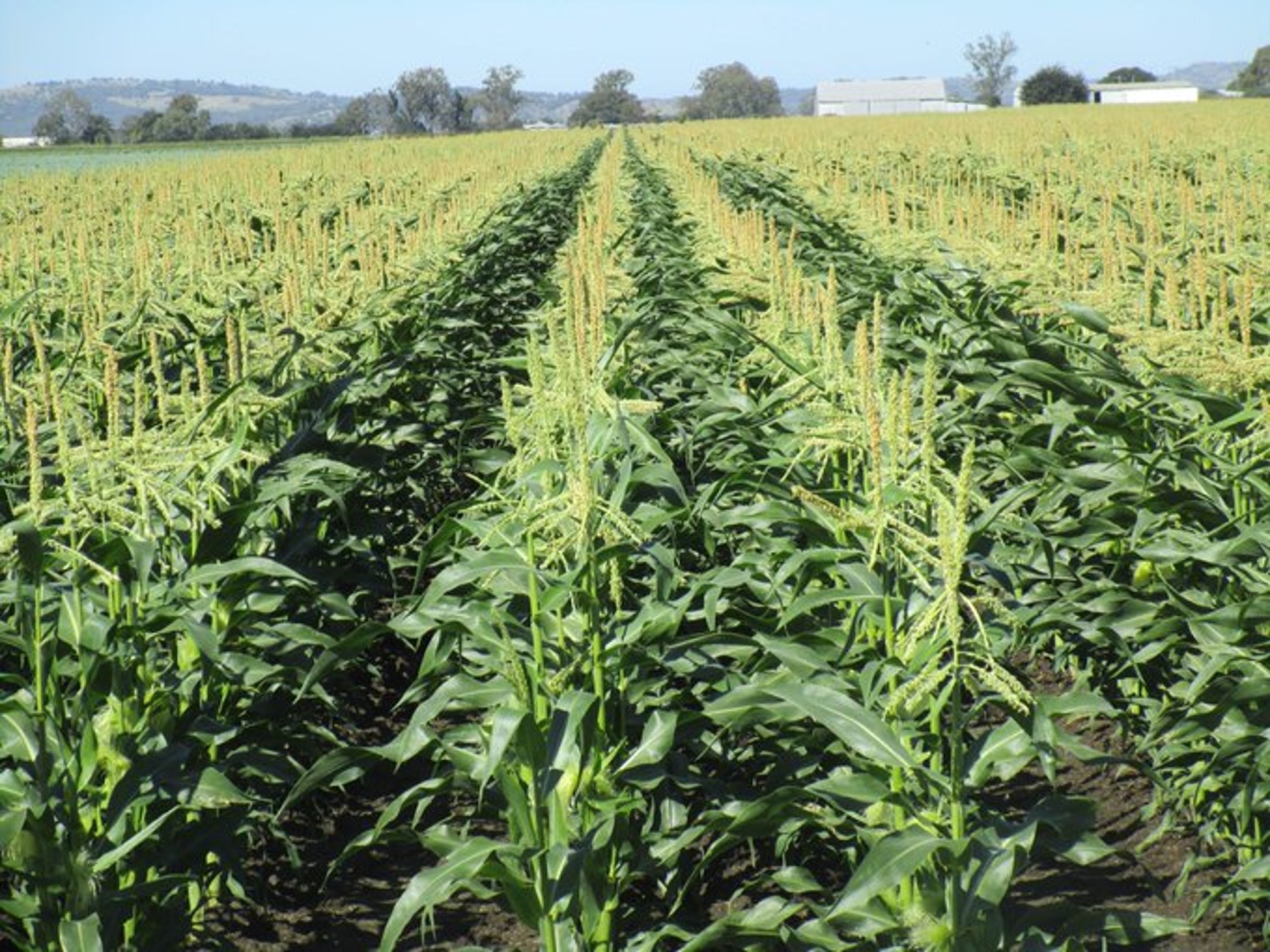
Kenya’s agriculture sector posted a gross value added of Sh1.706 trillion in 2024, according to the newly released 2025 Economic Survey by the National Treasury. The figure reflects a 4.4 percent growth over the Sh1.6 trillion recorded in 2023, even as overall sector performance moderated compared to the previous year. Treasury Cabinet Secretary John Mbadi, who presided over the survey’s launch, said the sector remains central to the country’s economic stability heading into the second quarter of 2025, buoyed by livestock gains, increased food crop yields, and targeted government support.
As Kenya moves further into 2025, the country’s economic narrative is one of resilience, recalibration, and renewed confidence in strategic sectors—most notably agriculture. Despite facing some turbulence in 2024, the latest Economic Survey from the National Treasury paints a cautiously optimistic outlook for the nation, underscoring agriculture’s continuing role as both a stabilizing force and a vehicle for economic transformation.
Agriculture remains the backbone of Kenya’s economy, contributing substantially to GDP and providing livelihoods for millions. From crop and livestock production to aquaculture and forestry, this sector not only ensures food security but also underpins the country’s rural economies and export earnings. The 2025 Economic Survey acknowledges a moderation in agricultural growth, with the sector registering a 4.4 percent expansion in 2024 compared to 7.1 percent the previous year. However, this modest deceleration does not diminish the long-term significance of agriculture, nor does it overshadow the positive structural shifts underway.
The sector’s gross value added rose to Sh1.706 trillion in 2024 from Sh1.6 trillion in 2023, reflecting both resilience and strong fundamentals. Growth was primarily supported by an upsurge in major subsectors such as tea, milk, sugarcane, and coffee, bolstered by favorable weather conditions in key growing areas. The growth in livestock earnings was particularly notable, jumping by 17.2 percent to Sh235 billion—a testament to enhanced productivity, improved veterinary support, and strategic government interventions in animal husbandry.
While crop earnings grew by a modest 2.7 percent to Sh454.8 billion, the nuanced data reveals encouraging trends within various crop categories. Temporary industrial crops recorded a striking 58.3 percent growth, generating Sh52.1 billion, signaling expanding agro-industrial potential. Similarly, cereals brought in Sh51.9 billion, up by 5.7 percent, while permanent crops such as tea, coffee, and sisal reached Sh214.2 billion, marking a 5 percent increase. These figures point to a broadening agricultural base that can withstand export shocks and seasonal variability.
Nonetheless, the sector faced setbacks in fresh horticulture exports, which declined by 12.8 percent to Sh136.6 billion. The challenges included cargo export restrictions at JKIA, high air freight costs, and stricter European Union regulatory enforcement around pesticide residues. Export values of cut flowers and fresh vegetables also fell, highlighting the need for continued investment in compliance with international standards. The Treasury’s findings emphasize that overcoming these obstacles will require improved infrastructure at cargo terminals, tighter coordination between phytosanitary agencies and exporters, and modernization of value chains.
Maize production, a cornerstone of Kenya’s food security, dipped by 6.1 percent to 44.7 million bags in 2024. This decline, attributed to erratic short rains, was partially offset by robust government distribution of subsidized fertilizers and certified seeds, which is expected to stabilize output in the coming year. Pyrethrum, another key crop, also saw a minor decline, yet its potential remains significant if targeted agronomic support is scaled up.
Despite these pockets of underperformance, the forward-looking statements from Treasury Cabinet Secretary John Mbadi project a stable and even more productive 2025. With the long rains in March to May having been above average and support measures like subsidized inputs firmly in place, the foundation for growth in the next season appears secure. Notably, green leaf tea production rose by 4.2 percent to 2.6 million tonnes, and milk production increased to 5.3 billion litres, with marketed milk volumes up by 12 percent. Sugarcane production surged by 68.7 percent to 9.4 million tonnes, while coffee output climbed by 1.6 percent to 49.5 thousand tonnes—clear signals of recovery and momentum.
The Economic Survey, released annually, serves as a crucial tool for policymakers, investors, and development partners. This year’s edition offers more than a retrospective—it provides a roadmap anchored in data, sectoral insights, and policy direction. As Kenya continues to cement its role as an agricultural hub and economic leader in the East African region, the integration of modern farming practices, improved logistics, and export market diversification will be central to its strategy.
Looking beyond numbers, the broader implication is one of national positioning. Kenya’s economy is not just recovering—it is adapting. The country is asserting itself in East Africa not only as a stable economic partner but also as a regional breadbasket with competitive advantages in horticulture, livestock, and agro-processing. Continued investments in climate-smart agriculture, research institutions, and value chain infrastructure will deepen this leadership and create new income streams for millions of Kenyans.
The Treasury’s projections for 2025 do not merely suggest stabilization; they forecast a return to confident, inclusive, and sustainable growth. With agriculture at its core, Kenya is well placed to translate macroeconomic stability into tangible benefits—jobs, exports, food security, and enhanced regional influence. The resilience witnessed in 2024, despite export bottlenecks and climate variability, speaks to the sector’s embedded strength. As Kenya sets its sights on the next growth cycle, it does so with a clear understanding of its challenges and, more importantly, with a sharpened vision of its potential.

Kenya and Bangladesh are stepping up efforts to expand trade, investment and technical cooperation, with Nairobi seeking to establish a resident diplomatic mission in Dhaka and open new...
Read moreDetails