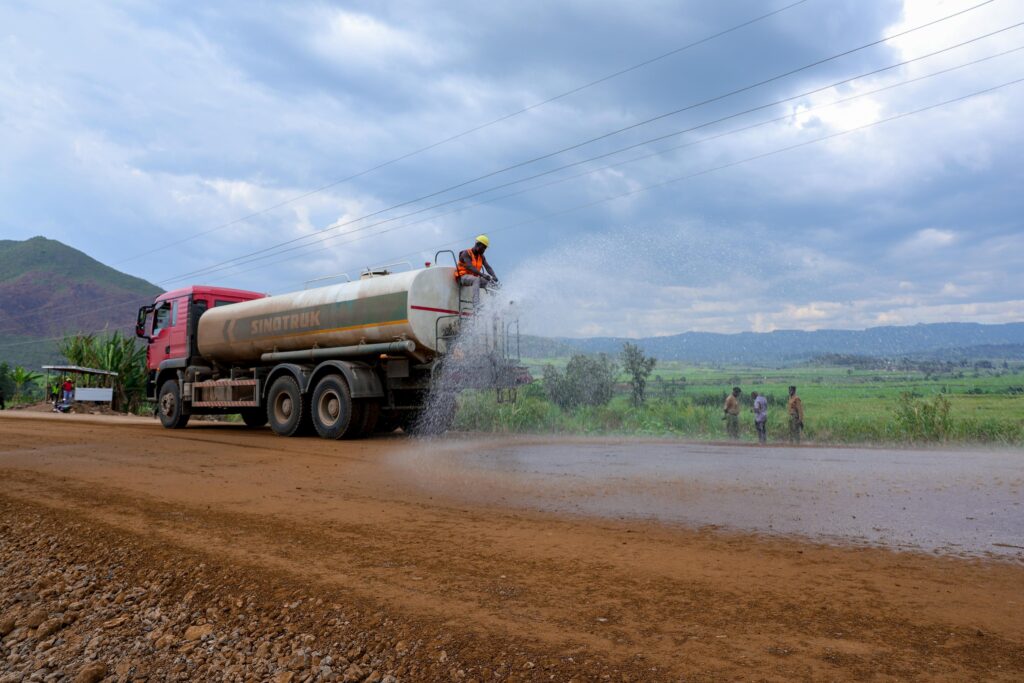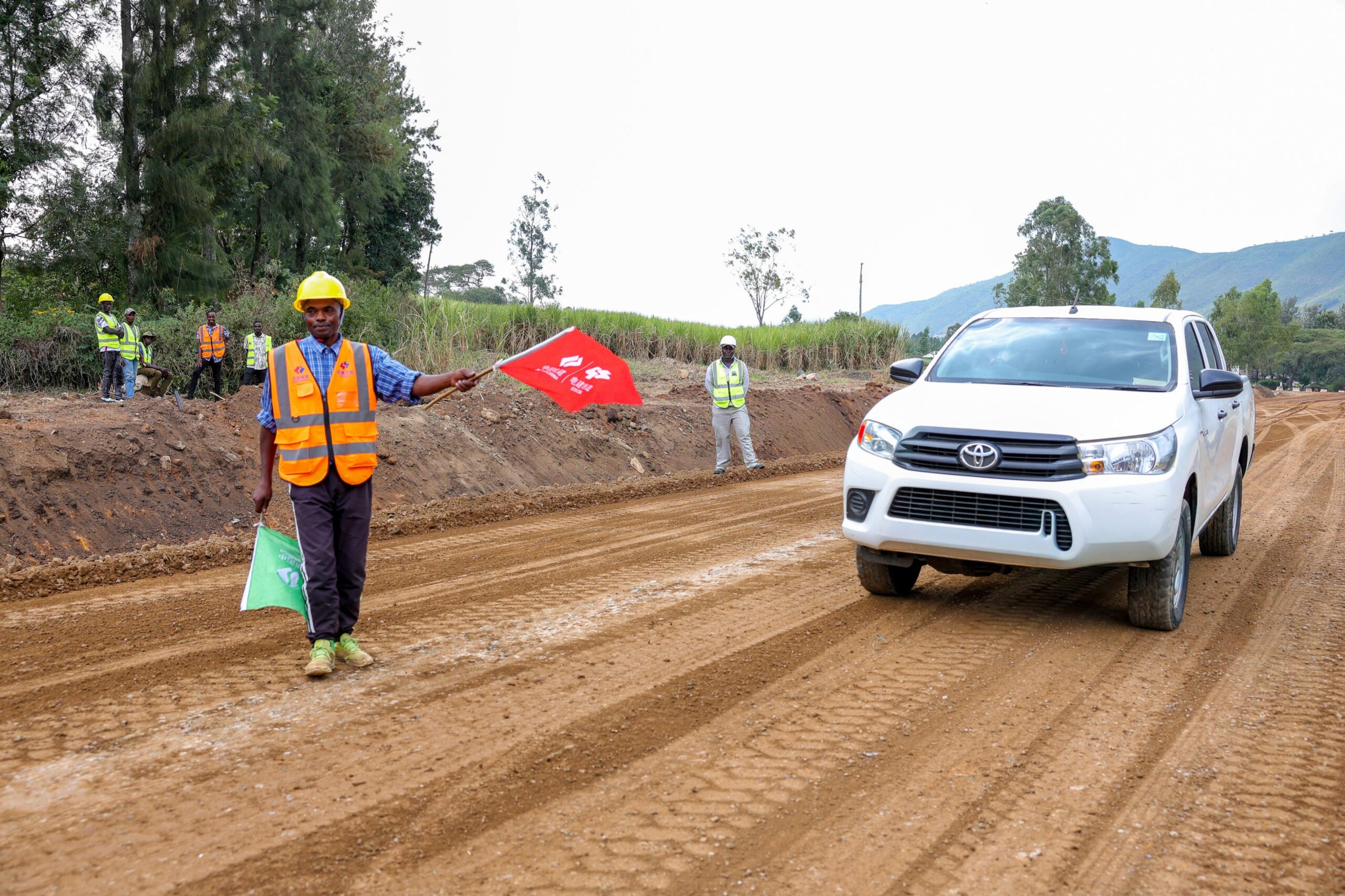
The ongoing upgrade of the 63.2-kilometre Timboroa–Meteitei–Kopere Road is set to transform agricultural production, trade and livelihoods across Nandi and Uasin Gishu counties, as the government moves towards completing the remaining 17.2 kilometres. The project, which connects Timboroa Junction along the A104 highway through Meteitei and Songor to Kopere, has already delivered 46 kilometres of bitumen-standard road, representing approximately 80 per cent physical completion. The upgrade from a gravel road to a modern tarmac highway is part of the government’s broader commitment to opening up rural areas through strategic infrastructure investment.
Construction is progressing ahead of schedule, with approximately 74 per cent of the contractual period elapsed against the 80 per cent physical completion rate. The remaining works are expected to be completed well before the June 2027 contractual deadline. Meanwhile, quality inspections continue on completed sections to ensure durability and compliance with required construction standards. Motorists and residents are already experiencing safer journeys, reduced travel times and relief from the dust and difficult driving conditions that previously characterised the route, particularly during rainy seasons.
The project’s most significant economic contribution is its potential to strengthen agricultural productivity and improve market access for thousands of farmers. Tinderet Sub-County and neighbouring areas are important agricultural production zones, with sugarcane, maize, dairy, coffee, tea and horticulture supporting household incomes. Previously, poor road conditions increased transportation costs, damaged vehicles, delayed deliveries and exposed farmers to post-harvest losses. The upgraded road is reducing these constraints by providing more reliable movement of agricultural produce to collection centres, markets and processing facilities in areas such as Kapsabet and Eldoret. Lower transport and vehicle maintenance costs, coupled with shorter journeys, are expected to improve farm-gate earnings and strengthen farmers’ bargaining power.
Beyond agriculture, the road is stimulating local commerce and creating opportunities across the wider regional economy. Improved connectivity is encouraging transport operators and traders to increase activity along the corridor, while small businesses selling vegetables, tomatoes, potatoes and other farm produce are benefiting from improved customer access. The stronger transport link between Nandi and Uasin Gishu also provides opportunities for expanded trade with neighbouring economic centres and counties, including Kisumu, Kericho and Baringo. In the medium and long term, improved accessibility could attract additional private investment, financial services, processing enterprises and other businesses, creating new sources of employment and economic activity.
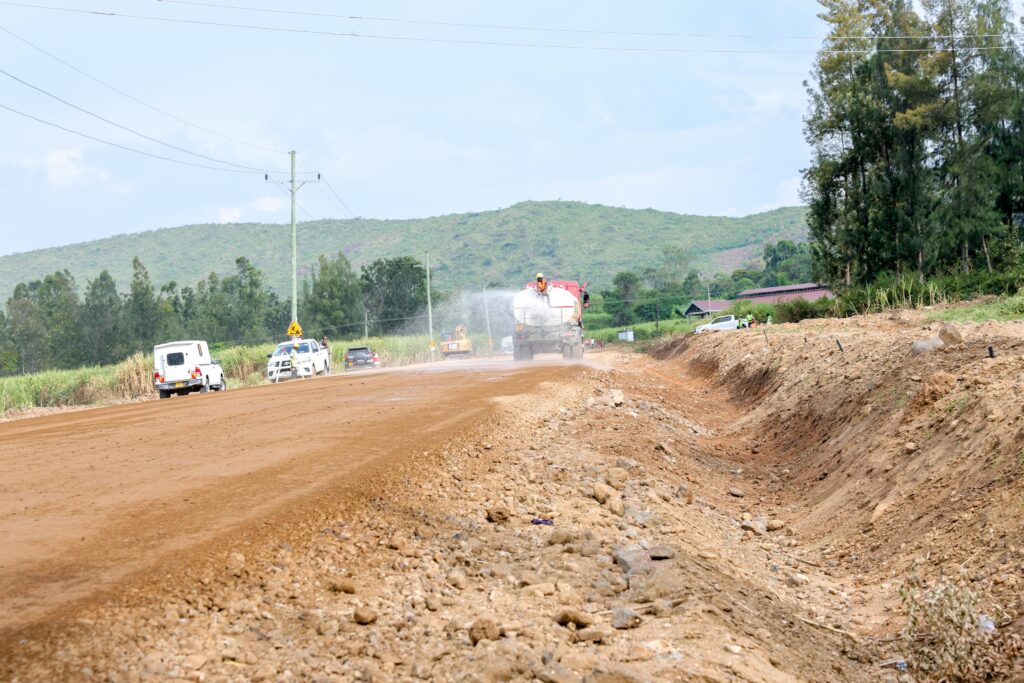
The construction project has also delivered immediate household economic benefits through the creation of approximately 200 technical and casual employment opportunities, largely benefiting residents from surrounding communities. Workers have been able to use their earnings to pay school fees, meet household expenses and acquire productive assets such as livestock. Beyond direct employment, the project has supported skills transfer in areas including surveying, laboratory testing and construction operations, strengthening local technical capacity. The improved road has also enhanced access to essential services, including schools, health facilities such as Maraba Hospital and nearby trading centres. These improvements reduce the economic and social costs associated with isolation while supporting better living standards.
The long-term economic value of the project extends beyond transportation to regional integration and rural development. Reliable all-weather access is expected to improve public transport operations, reduce vehicle breakdowns and lower the cost of moving people and goods. For farmers, predictable transportation means better access to agricultural inputs, reduced post-harvest losses and greater opportunities to diversify into higher-value crops. For businesses, improved logistics create opportunities to expand operations and reach new customers. These benefits complement other infrastructure investments in Nandi County, including the announced KSh20 billion road development programme targeting approximately 350 kilometres, which is expected to further strengthen rural connectivity and economic competitiveness.
The Timboroa–Meteitei–Kopere Road therefore represents more than a transport infrastructure project; it is an investment in household incomes, agricultural competitiveness, employment and regional economic growth. Its early benefits demonstrate how targeted infrastructure development can address longstanding barriers to productivity and unlock economic opportunities in rural communities. While the full economic returns will depend on construction quality, effective drainage and sustained maintenance after completion, the progress achieved so far provides a strong foundation for lasting transformation. The completion of the remaining 17.2 kilometres will consolidate these gains and ensure that farmers, traders, transporters and residents enjoy uninterrupted connectivity throughout the year.
The project is another demonstration of President William Ruto’s Roads for Development and Opening Up Kenya agenda, which seeks to connect previously underserved communities, strengthen agricultural value chains and ensure that infrastructure development translates into tangible economic benefits. By prioritising rural roads, the government is addressing one of the major constraints facing agricultural communities: the cost and difficulty of accessing markets. The Timboroa–Meteitei–Kopere corridor illustrates how infrastructure investment can stimulate employment, improve livelihoods, expand trade and promote balanced regional development. Once fully completed, the road will provide a lasting economic lifeline for Nandi and Uasin Gishu, reinforcing the government’s commitment to ensuring that development reaches communities across the country.