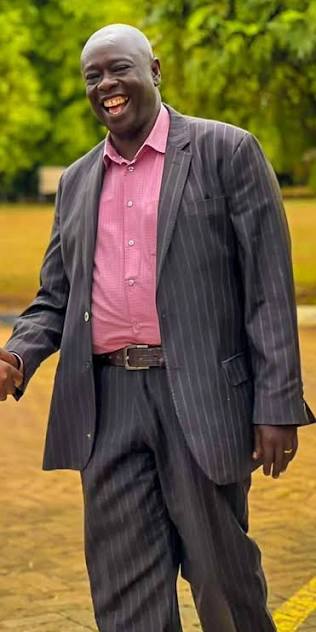
Democracy for the Citizens Party (DCP) leader Rigathi Gachagua has dismissed accusations that he is responsible for divisions within the opposition, declaring himself the “glue” holding the coalition together. Responding to a TIFA opinion poll that portrayed him as a divisive figure, the former Deputy President insisted that opposition leaders remained united and that none of them was available to be lured away by President William Ruto’s administration.
Speaking during a church service at AIC Church in Bathi, Lari Constituency, Kiambu County, on Sunday, November 15, 2026, Gachagua challenged President Ruto to abandon what he described as attempts to destabilise the opposition. He maintained that the opposition had established a united front and that its leaders were committed to working together against the Kenya Kwanza administration.
However, Gachagua’s declaration of unity comes against the backdrop of emerging political tensions, with some opposition leaders increasingly chest-thumping about their numerical strength and political influence. The competing claims of having larger political constituencies and stronger grassroots support risk creating an atmosphere in which individual leaders seek to dictate the direction of the opposition and impose their preferences on others.
The growing contest for political supremacy threatens to undermine the coalition’s unity ahead of the 2027 General Election. Rather than building consensus through consultations and mutual accommodation, some leaders appear increasingly interested in establishing themselves as the dominant voices within the opposition. Such political posturing could deepen mistrust, particularly among leaders who believe their parties and regional support bases deserve equal recognition in coalition decision-making.
Gachagua’s claims of holding the opposition together have also attracted scrutiny following his repeated allegations that some politicians within the coalition are acting as government moles. His allies have suggested that certain individuals are working with the Kenya Kwanza administration to undermine opposition activities, although the alleged individuals have not been publicly identified. The accusations introduce another layer of suspicion into an alliance already facing competing political interests.
Former Attorney General and Democratic Party leader Justin Muturi has questioned the allegations, challenging Gachagua to identify the politicians he claims are working as State agents within the opposition. Speaking during an interview with a vernacular television station on Monday, November 16, Muturi said he was unaware of any infiltration and questioned why individuals would spy on opposition meetings. He noted that opposition leaders had continued holding political engagements across Garissa, Tana River, the Coast, Western Kenya and Siaya, including during Gachagua’s extended absence abroad.
Muturi further dismissed suggestions of serious disagreements among opposition leaders, citing continued cooperation involving Wiper leader Kalonzo Musyoka, former Chief Justice David Maraga, Eugene Wamalwa and Jubilee Party leader Fred Matiang’i. He said their discussions had focused on issues surrounding the Independent Electoral and Boundaries Commission (IEBC) and preparations for the 2027 elections. Nevertheless, he expressed concern over Gachagua’s allegations, insisting that opposition parties and their leaders must respect one another despite differences in political strategies and ambitions.
The unfolding developments expose the delicate balancing act facing the opposition as it attempts to sustain a united political front ahead of the 2027 elections. While Gachagua presents himself as the coalition’s unifying force, competing claims of numerical superiority, leadership ambitions and allegations of political infiltration could undermine that narrative. Muturi’s intervention highlights the need for transparency, mutual respect and structured consultations, as failure to address these tensions could turn the opposition’s quest for unity into an increasingly difficult contest for political control.