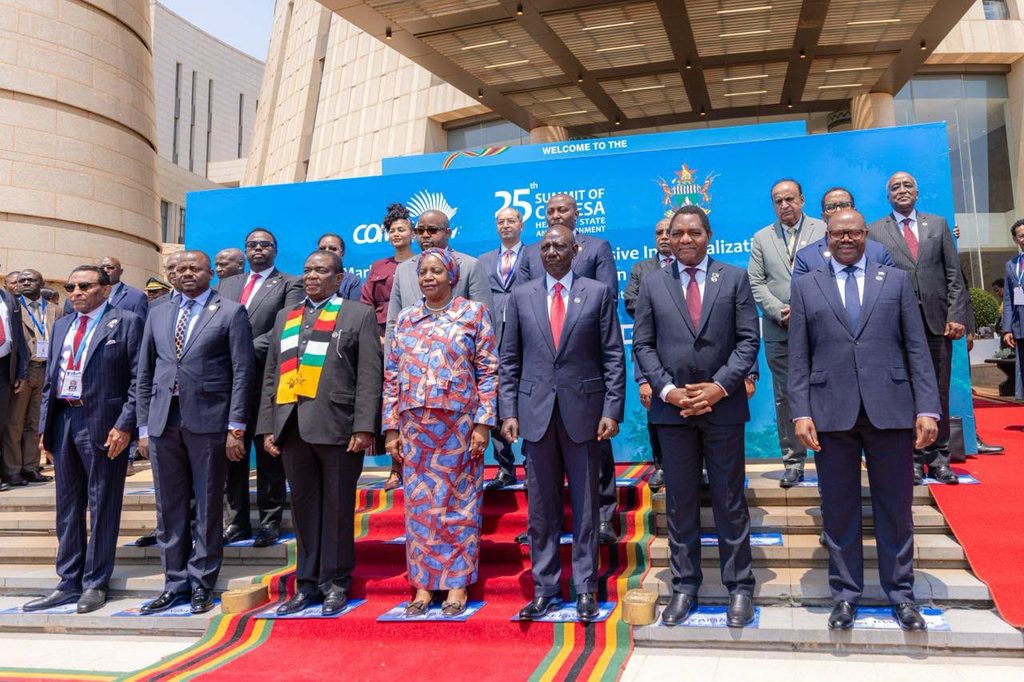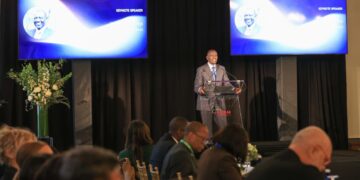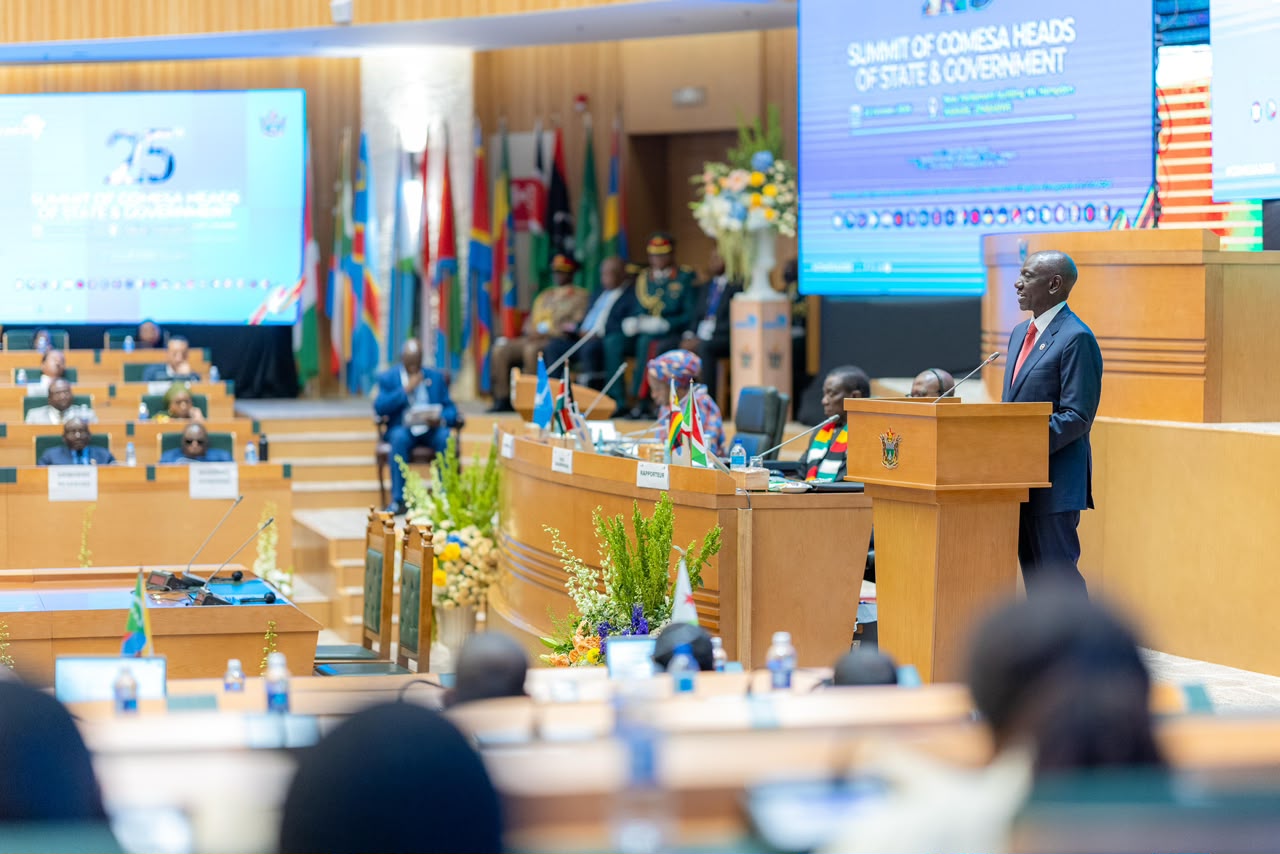
President William Ruto has challenged African nations to take charge of financing their own development by mobilising domestic resources, strengthening continental financial institutions and reducing dependence on external funding. Speaking during the 25th Common Market for Eastern and Southern Africa (COMESA) Heads of State and Government Summit in Harare, Zimbabwe, on Thursday, the President said Africa possesses enormous financial resources capable of transforming its economies, creating employment and accelerating industrialisation. He emphasised that the continent must demonstrate confidence in its own institutions and adopt sustainable financing mechanisms to implement ambitious development programmes.
President Ruto noted that Africa holds more than $4 trillion in domestic financial assets, much of which remains invested outside the continent while critical infrastructure and industrial projects struggle to secure adequate funding. He urged African governments to redirect more of their financial reserves towards African multilateral institutions, support their bonds and guarantees, and channel strategic investments through them. According to the President, institutions such as the African Export-Import Bank (Afreximbank), Africa Finance Corporation (AFC) and African Trade and Investment Development Insurance (ATIDI) have demonstrated their ability to finance trade, manage investment risks and support development even during periods of global financial uncertainty. “We cannot ask the world to trust African institutions if we do not trust them ourselves,” he declared.
Highlighting Kenya’s commitment to African-led development financing, President Ruto revealed that the proposed $16 billion oil refinery in Lamu would be financed almost entirely by African financial institutions. The landmark investment, expected to become one of East Africa’s largest industrial undertakings, demonstrates the continent’s capacity to mobilise substantial capital for transformative projects. The proposed refinery, with a projected processing capacity of 700,000 barrels of crude oil daily, could strengthen regional energy security, stimulate manufacturing, generate thousands of employment opportunities and position Kenya as a major petroleum processing and distribution hub. Ruto said Kenya had increased its shareholding in key African financial institutions to strengthen their capacity to support such investments.
The President further emphasised that Africa’s economic transformation requires stronger regional integration, expanded intra-African trade and the development of competitive industrial value chains. He observed that growing protectionism and uncertainty in global markets make it increasingly necessary for African countries to trade among themselves, eliminate non-tariff barriers and improve cross-border infrastructure. Through COMESA and the African Continental Free Trade Area (AfCFTA), African economies can unlock a vast consumer market, promote manufacturing and reduce their vulnerability to external economic shocks. Ruto maintained that Africa’s greatest potential market lies within the continent itself, making regional economic cooperation essential for sustainable growth and prosperity.
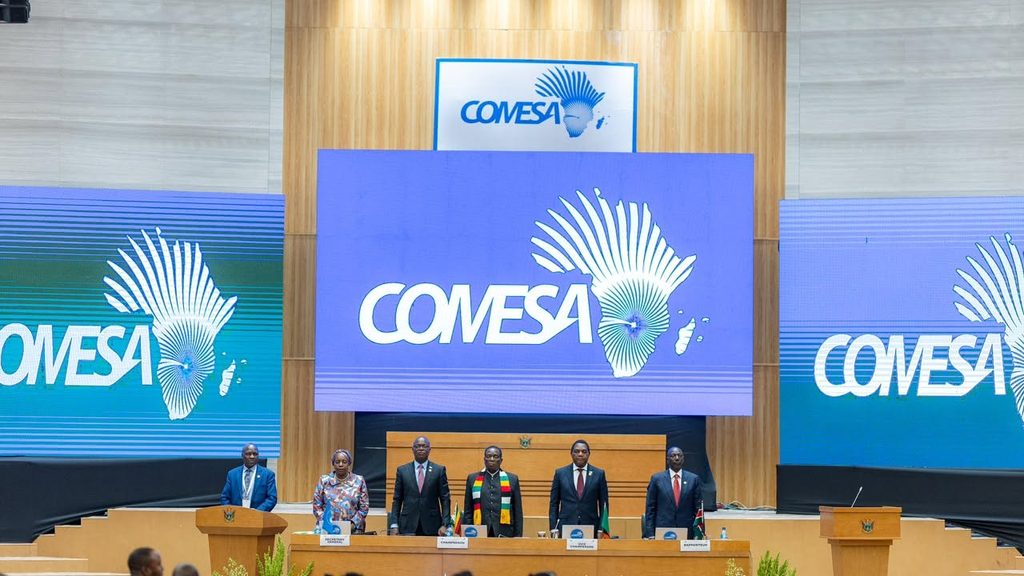
Reflecting on Kenya’s tenure as COMESA chair, President Ruto highlighted progress in digital transformation, regional trade facilitation and the strengthening of value chains. He explained that Kenya had prioritised leveraging digitalisation to promote sustainable and inclusive economic growth, transforming the agenda into practical regional programmes. During the summit, he launched the COMESA 2026–2030 Medium-Term Strategic Plan and the organisation’s 2025 Annual Report, which outline priorities for accelerating regional trade, improving connectivity and expanding economic opportunities. He also urged the COMESA Secretariat to fast-track the proposed COMESA Market Levy to establish predictable and sustainable financing for regional development initiatives.
President Ruto also called for a fundamental transformation in Africa’s economic relationships with international partners, insisting that future cooperation must promote industrialisation, technology transfer, value addition and mutually beneficial investment. He argued that the longstanding practice of exporting raw materials while importing expensive finished products has limited Africa’s economic potential and deprived its citizens of employment and industrial opportunities. The President urged foreign investors seeking access to Africa’s minerals, markets and youthful workforce to establish processing facilities, industries and productive partnerships within the continent. “Invest with us, process with us, build with us,” he said, reaffirming Africa’s determination to pursue partnerships based on sovereign equality, shared prosperity and mutual respect.
At the summit, President Ruto formally handed over the COMESA chairmanship to Zimbabwean President Emmerson Mnangagwa, expressing confidence that his leadership would advance the organisation’s vision of One Market, One Future. President Mnangagwa commended Ruto for steering the regional bloc towards greater digital integration and stronger regional value chains, while calling for practical solutions to economic challenges confronting member states. Zambian President Hakainde Hichilema similarly challenged African leaders to translate their commitments into concrete action by mobilising the continent’s resources for the benefit of its people. He emphasised that Africa’s development must primarily be driven by Africans themselves, with international partners complementing rather than determining the continent’s economic priorities.
President Ruto’s message reinforced a broader vision of an economically independent Africa capable of financing its infrastructure, industrial expansion and social development through its own resources and institutions. By strengthening African development banks, mobilising domestic savings, deepening regional integration and prioritising value addition, the continent can accelerate job creation, attract productive investment and build more resilient economies. The President maintained that Africa’s ambitions must be matched by credible financing commitments, warning that development declarations without adequate resources cannot deliver meaningful transformation. His call signals a shift from dependency towards economic self-reliance, positioning African institutions, enterprises and citizens at the centre of the continent’s development agenda.