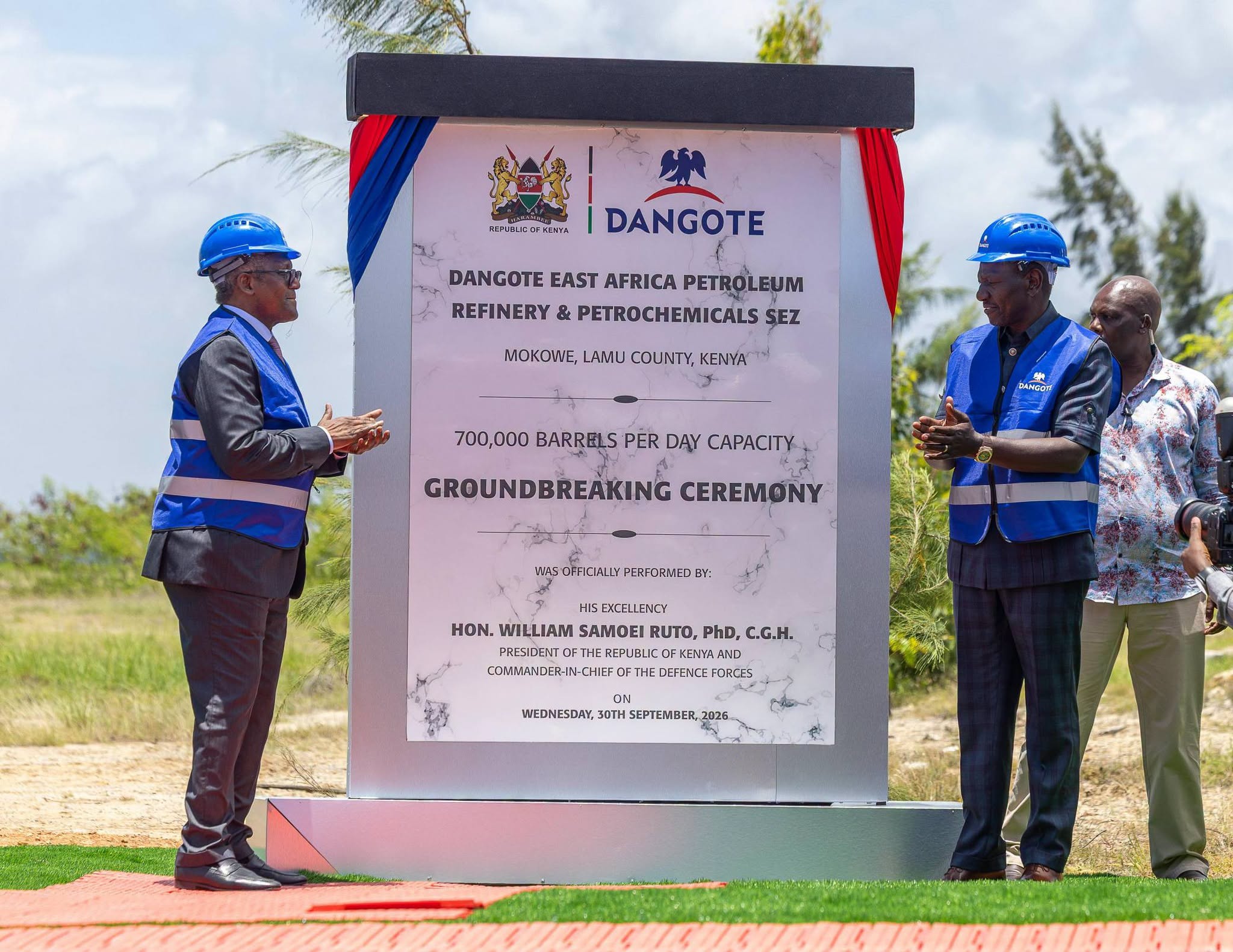
30 September 2026 marked a major milestone in Kenya’s industrial and maritime development agenda as President William Ruto and Nigerian industrialist Aliko Dangote broke ground for the Dangote East Africa Petroleum Refinery in Lamu County. The estimated $16 billion project, with a planned processing capacity of 700,000 barrels of crude oil per day, is expected to become one of East Africa’s largest industrial investments and could significantly reshape Kenya’s energy and maritime economy.
The groundbreaking brought together regional leaders and senior officials, underlining the project’s intended importance beyond Kenya. Uganda, Ethiopia, Togo and Benin were represented at the ceremony, while other East African countries also sent delegations. Dangote described the initiative as part of a broader African industrialisation drive aimed at increasing local value addition rather than exporting raw resources and importing finished products.
For President Ruto, the refinery represents a convergence of industrialisation, energy security, employment, regional trade and infrastructure development. The Kenyan government has positioned Lamu as an emerging economic gateway through the LAPSSET Corridor, connecting the coast with northern Kenya and potentially linking the country to markets in Ethiopia, South Sudan and the wider East African region. The refinery could add a major energy dimension to this transport and logistics corridor.
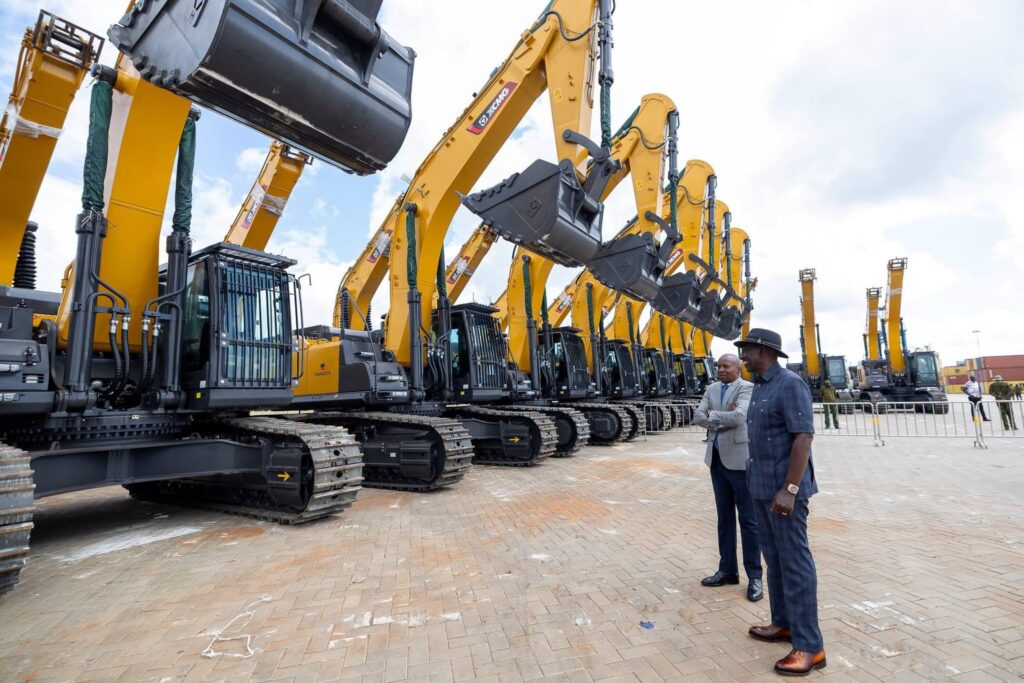
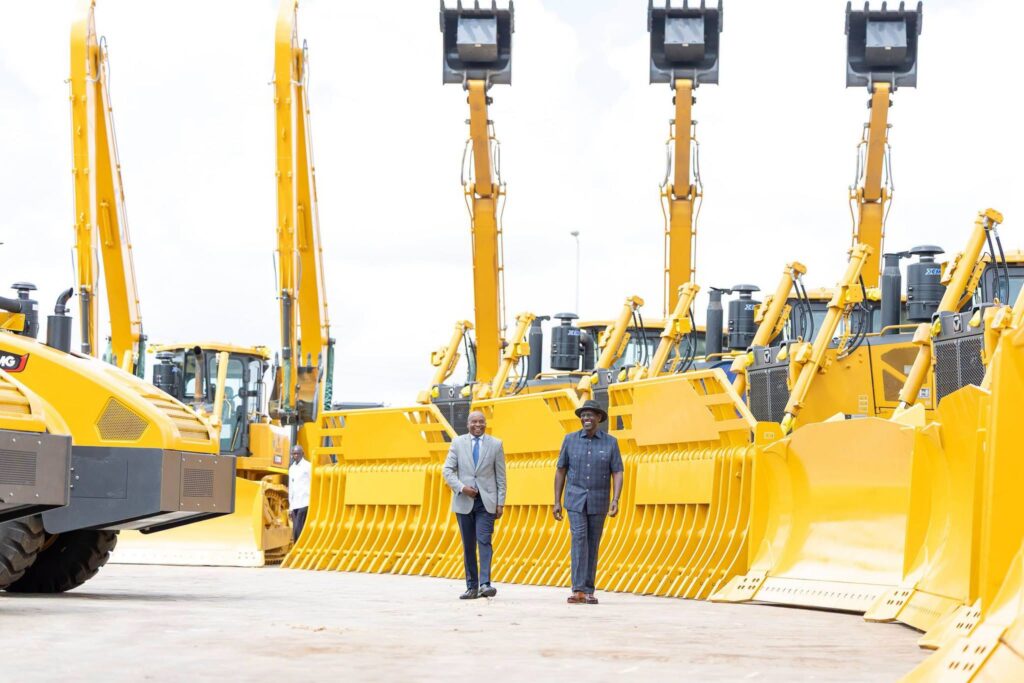
The maritime implications could be particularly significant. Lamu Port is expected to handle substantial volumes of construction equipment during the refinery’s development and, eventually, crude oil, petroleum products and associated industrial cargo. In late September, about 2,930 metric tonnes of heavy construction machinery arrived at Lamu aboard the MV Da Yang, providing an early demonstration of the port’s capacity to handle specialised project cargo.
Once operational, the refinery could generate sustained demand for a wide range of maritime services. These could include tanker handling, pilotage, tug operations, ship agency, bunkering, cargo handling, marine engineering, surveying, inspection, storage and port security. The resulting ecosystem could gradually transform Lamu from an emerging multipurpose port into a major petroleum and industrial logistics centre serving Kenya and neighbouring countries.
The refinery could also strengthen the strategic importance of Lamu Port within the LAPSSET Corridor. Increased petroleum traffic would require supporting pipelines, storage facilities, roads, terminals and inland distribution networks. As these systems develop, Lamu could become an important interface between international shipping and inland energy markets, increasing the economic value of the northern corridor and stimulating additional private investment in logistics and industrial services.
Crude supply, however, remains one of the project’s most important challenges. Kenya does not currently produce enough commercial crude to supply a refinery of this scale, meaning the facility is expected to draw crude from regional and international sources. Dangote has pointed to supplies from neighbouring African producers, while regional markets are expected to provide outlets for refined petroleum products. The dependence on seaborne imports could itself increase demand for tanker movements and sophisticated petroleum-handling infrastructure at Lamu.
The project could also create a substantial skills market along the coast. Dangote has announced plans for an engineering training school in Lamu, while the Kenyan government expects the investment to create employment and expand opportunities for local communities. Skills requirements could extend from refinery engineering and welding to marine operations, hazardous-material management, equipment maintenance, logistics, safety and environmental protection.
The economic effects could extend well beyond the refinery fence. A large-scale petroleum complex can generate secondary demand for accommodation, transport, construction, equipment supply, food services, security, communications and professional services. The arrival of specialised companies and workers could therefore accelerate urban and commercial development in Lamu, provided that infrastructure expansion keeps pace with the industrial transformation.
The refinery is also expected to strengthen regional petroleum supply chains. Its planned production would include fuels such as diesel, petrol and jet fuel for Kenya and neighbouring East African markets. If completed as planned, the facility could reduce some of the region’s dependence on imported refined petroleum products while creating opportunities for Kenya to participate more extensively in regional fuel distribution and petroleum logistics.
Nevertheless, the scale of the project means its success will depend on several factors, including financing, construction execution, reliable crude supply, transport infrastructure, environmental safeguards and community engagement. The project has already faced legal and community concerns relating to land ownership and environmental impacts. Addressing these issues transparently will be important to maintaining confidence as construction progresses.
Dangote has committed to completing the refinery in approximately 40 months, placing the expected commissioning period around 2030. More than 110 pieces of equipment were already reported on site, with hundreds more expected during the early construction phase. If the timetable and planned capacity are achieved, Lamu could emerge as a major petroleum-processing and maritime-services centre on Africa’s eastern coast.
Ultimately, the Lamu refinery could reshape Kenya’s maritime economy by turning energy infrastructure into a wider platform for shipping, logistics, industrialisation and coastal investment. Its importance will not be measured only by the volume of crude processed, but by the network of ports, vessels, pipelines, storage facilities, businesses, skilled workers and regional trade routes that develop around it. For Kenya, the Ruto-Dangote partnership has therefore placed Lamu at the centre of an ambitious effort to transform the coast into a major regional energy and maritime hub.