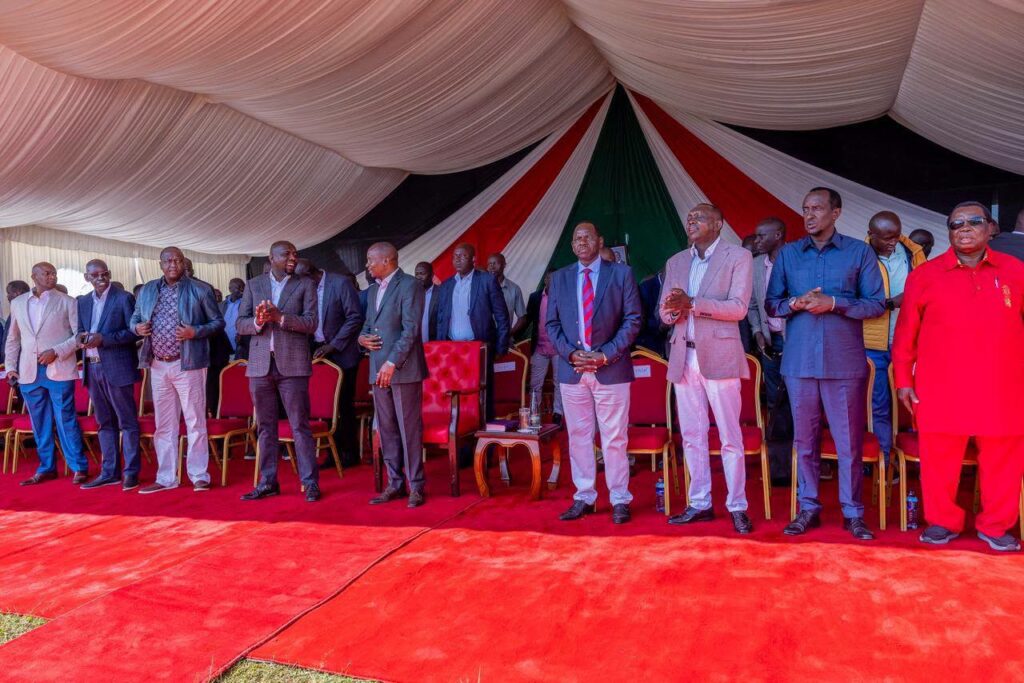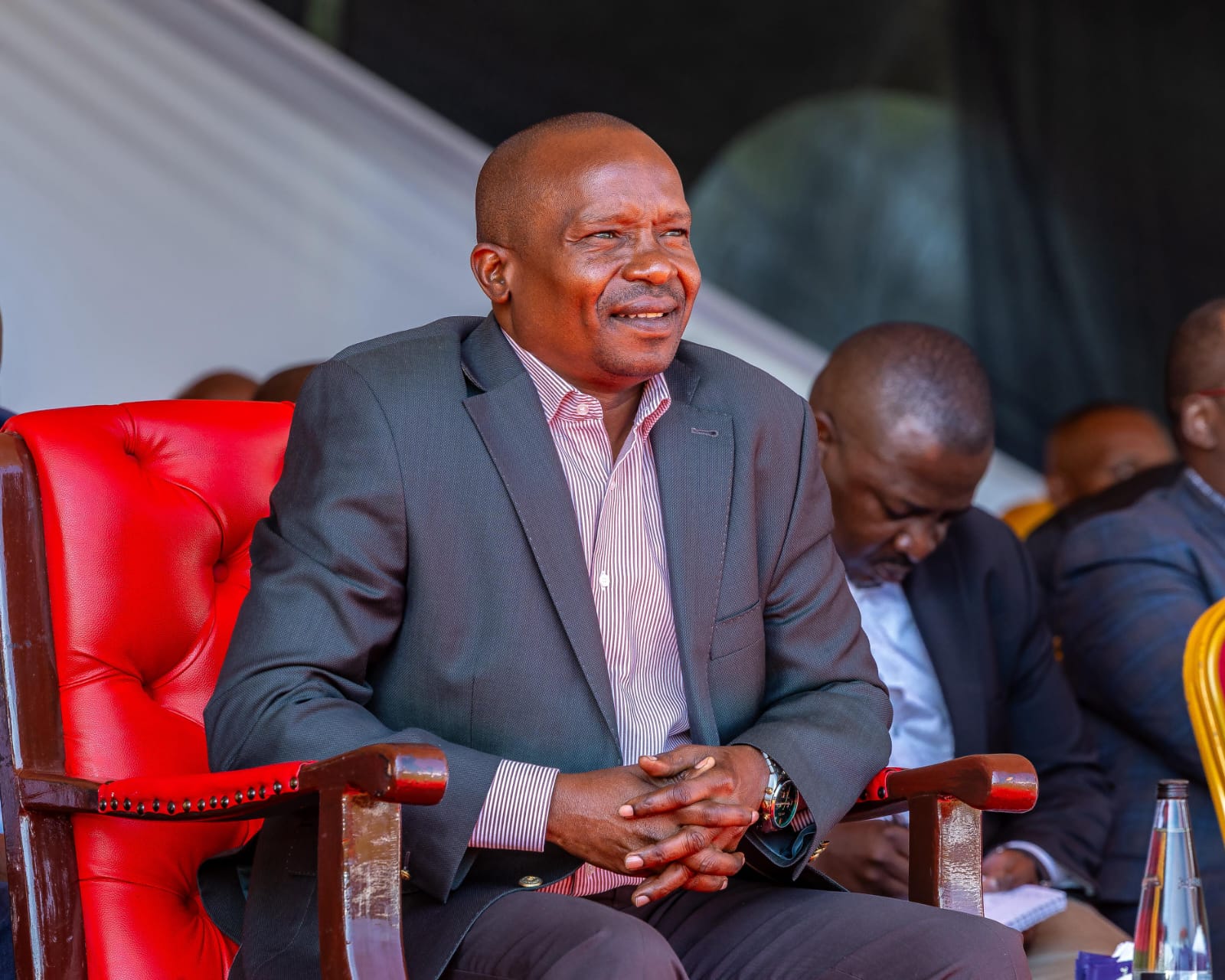
Deputy President Kithure Kindiki has challenged opposition leaders to stop attacking the Independent Electoral and Boundaries Commission (IEBC) and instead develop convincing political and development agendas ahead of the 2027 General Election. Speaking during an interdenominational church service and fundraiser for 22 churches at Kipsamoo School Grounds in Kapseret Constituency, Uasin Gishu County, Kindiki said political parties should focus on presenting alternatives to Kenyans rather than undermining electoral institutions.
Kindiki urged the IEBC to remain independent and firmly execute its constitutional mandate without being intimidated, threatened or blackmailed by politicians. He said the electoral body has a legal responsibility to conduct elections impartially and should not favour either the government or opposition. According to the Deputy President, confidence in electoral institutions is essential to protecting Kenya from political instability and ensuring that election outcomes reflect the will of voters.
The Deputy President argued that IEBC does not determine election winners, insisting that political leaders should concentrate on convincing voters through policies and manifestos. He recalled the 2022 elections, saying the resilience of electoral institutions helped prevent political interference that could have plunged the country into chaos. Kindiki maintained that the Kenya Kwanza administration does not seek preferential treatment from the electoral agency and is prepared to compete under a free, fair and verifiable electoral process.
Kindiki further asserted that the government intends to seek re-election based on its development record rather than through influence over the electoral commission. He cited investments in roads, electricity, education, healthcare, agriculture, affordable housing, markets and sports facilities as evidence of the administration’s performance. He challenged the opposition to offer alternative policies capable of persuading Kenyans rather than relying on criticism, tribal mobilisation and political slogans.
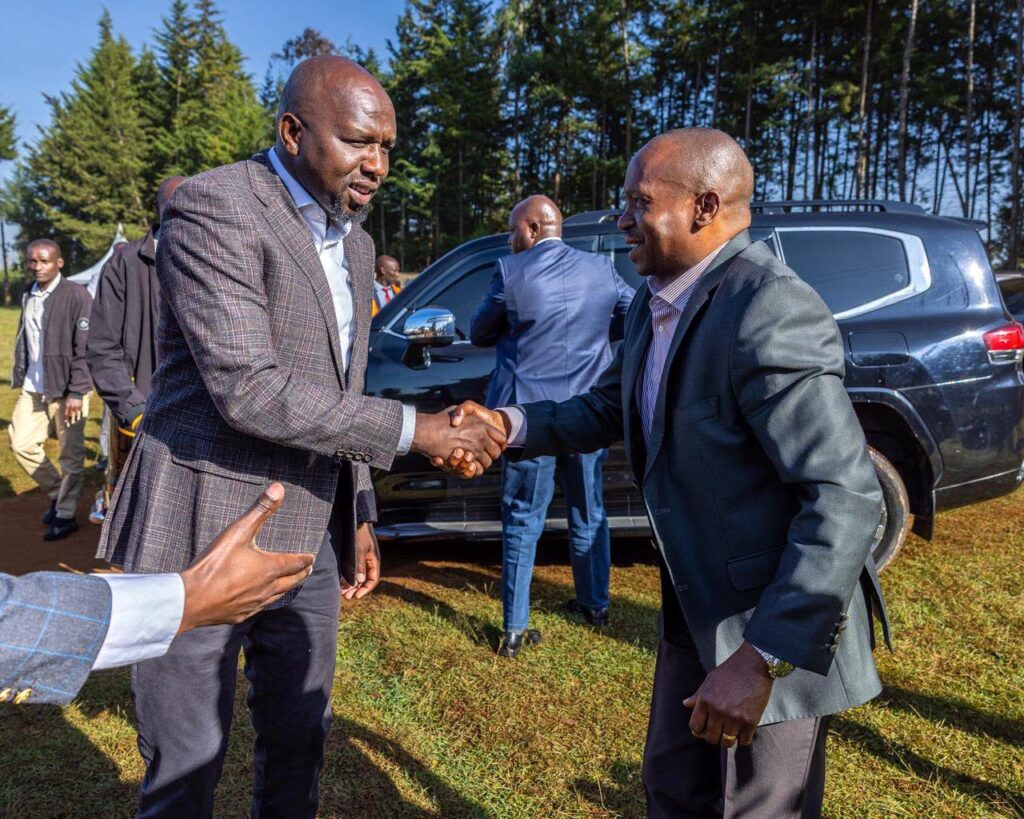
On security, the Deputy President issued a strong warning to political leaders accused of mobilising young people to attack opponents or disrupt public order. He said the government would not tolerate the use of goons to advance political interests and directed Interior Cabinet Secretary Kipchumba Murkomen, who attended the event, to take firm action against perpetrators of violence. Kindiki compared the planned crackdown to government efforts against banditry and terrorism, stressing that political competition should not threaten national security.
The Deputy President also urged politicians seeking elective positions in 2027 to compete through ideas rather than violence. He said elections should be about convincing voters about how a candidate intends to improve their lives, adding that winners should serve all Kenyans while those who lose should accept the outcome and prepare for another opportunity. His remarks reflect an emerging government narrative that the 2027 contest should be judged primarily on competing development programmes and performance.
Kindiki highlighted achievements in agriculture, education and healthcare as key areas where the government believes it has made significant progress. He pointed to agricultural subsidies aimed at increasing production and improving farmers’ earnings in sectors including maize, sugar, coffee and tea. In education, he cited the employment of more than 100,000 teachers, with a further 20,000 expected to be employed in September, while in healthcare he pointed to more than 32 million Kenyans enrolled under Taifa Care and the recruitment of 107,000 community health promoters.
In Uasin Gishu, Kindiki cited the ongoing construction of a new referral hospital as one of the development projects expected to improve public services in the county. He said the administration would approach the 2027 elections prepared to explain its record directly to voters and seek another mandate. He consequently challenged the opposition to articulate clear proposals on healthcare, roads, education, electricity, agriculture and other sectors, arguing that tribalism and sloganeering alone cannot provide an alternative to the government’s development agenda.