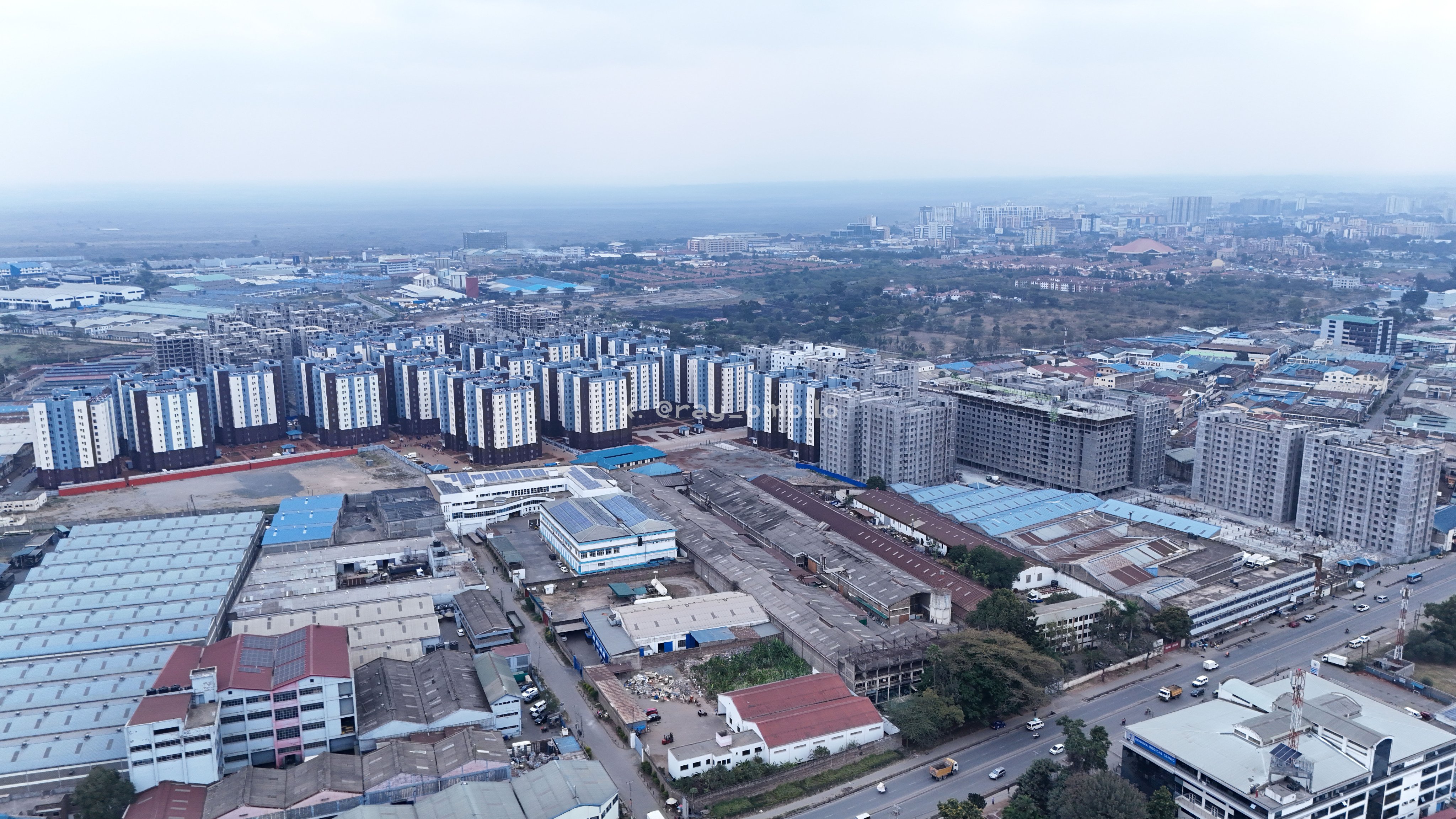
Barely four years ago, thousands of families in Mukuru, Nairobi, went to sleep in crowded, poorly serviced and dilapidated structures, with children growing up in an environment where access to clean water, sanitation, healthcare, education and security was a daily struggle. Today, a remarkable transformation is taking shape as the Government’s Affordable Housing Programme (AHP) turns the dream of decent urban living into a reality for thousands of residents.
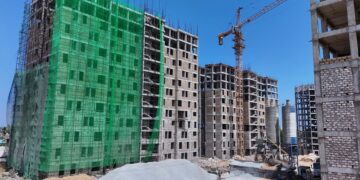
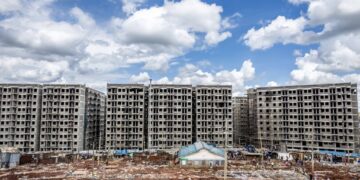
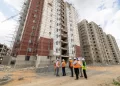
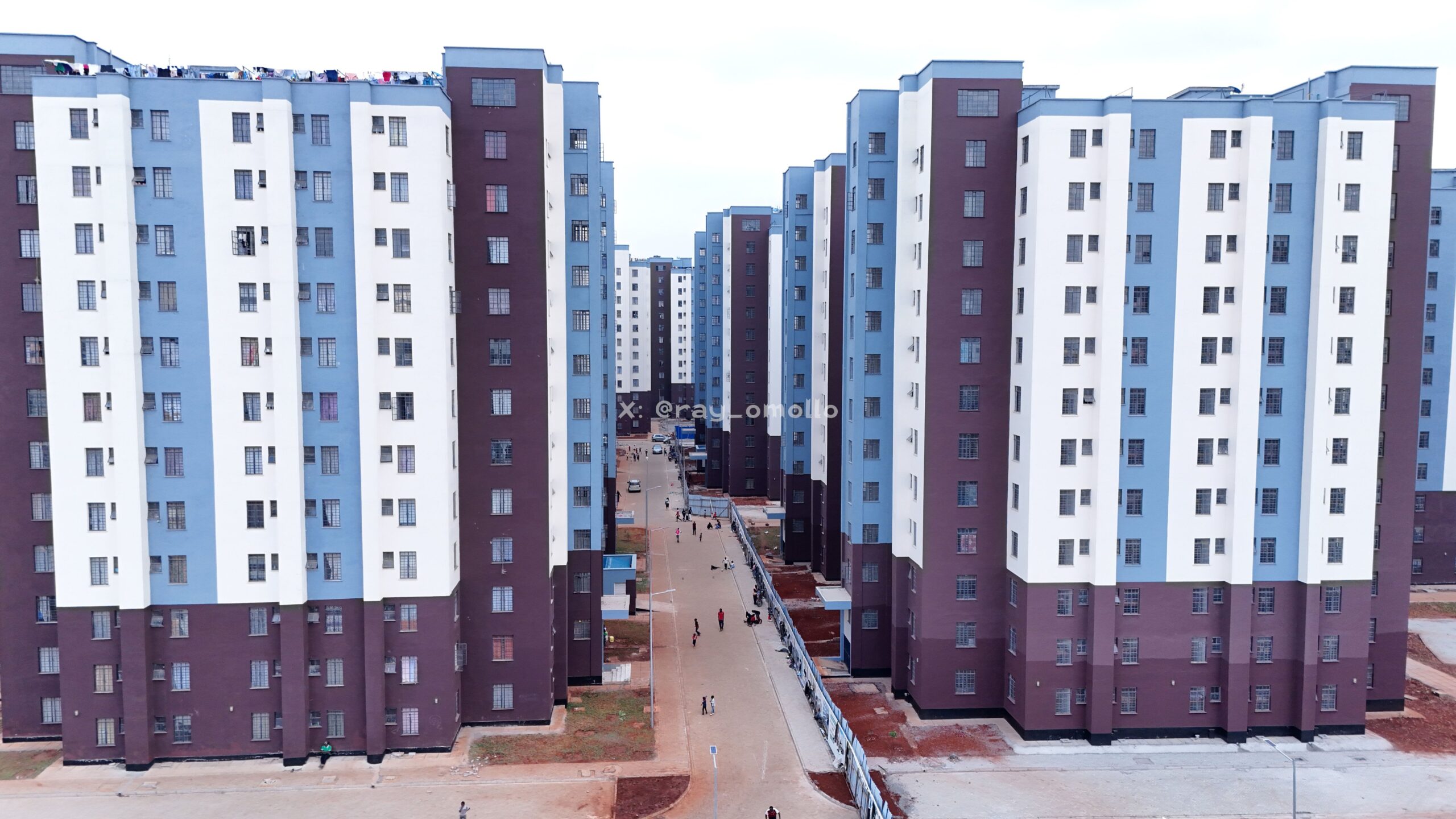
The transformation reached a major milestone on 18 December 2025, when President William Ruto handed over 4,536 modern studio apartments under Phase II of the Boma Yangu Mukuru Estate. The development followed the handover of another 1,080 units in May 2025, meaning nearly 6,000 households have now benefited from the Mukuru housing development. The Affordable Housing Board describes the project as a major step towards dignified living for families previously residing in informal settlements without adequate basic amenities.
For families who once lived in iron-sheet structures, the significance goes beyond owning a new address. It represents a transition from vulnerability to dignity. The new apartments provide residents with substantially improved living conditions, reliable infrastructure and a more organised neighbourhood. President Ruto has repeatedly framed the programme not simply as construction of houses, but as an intervention designed to give ordinary Kenyans a decent place to live and a stronger foundation for their families.
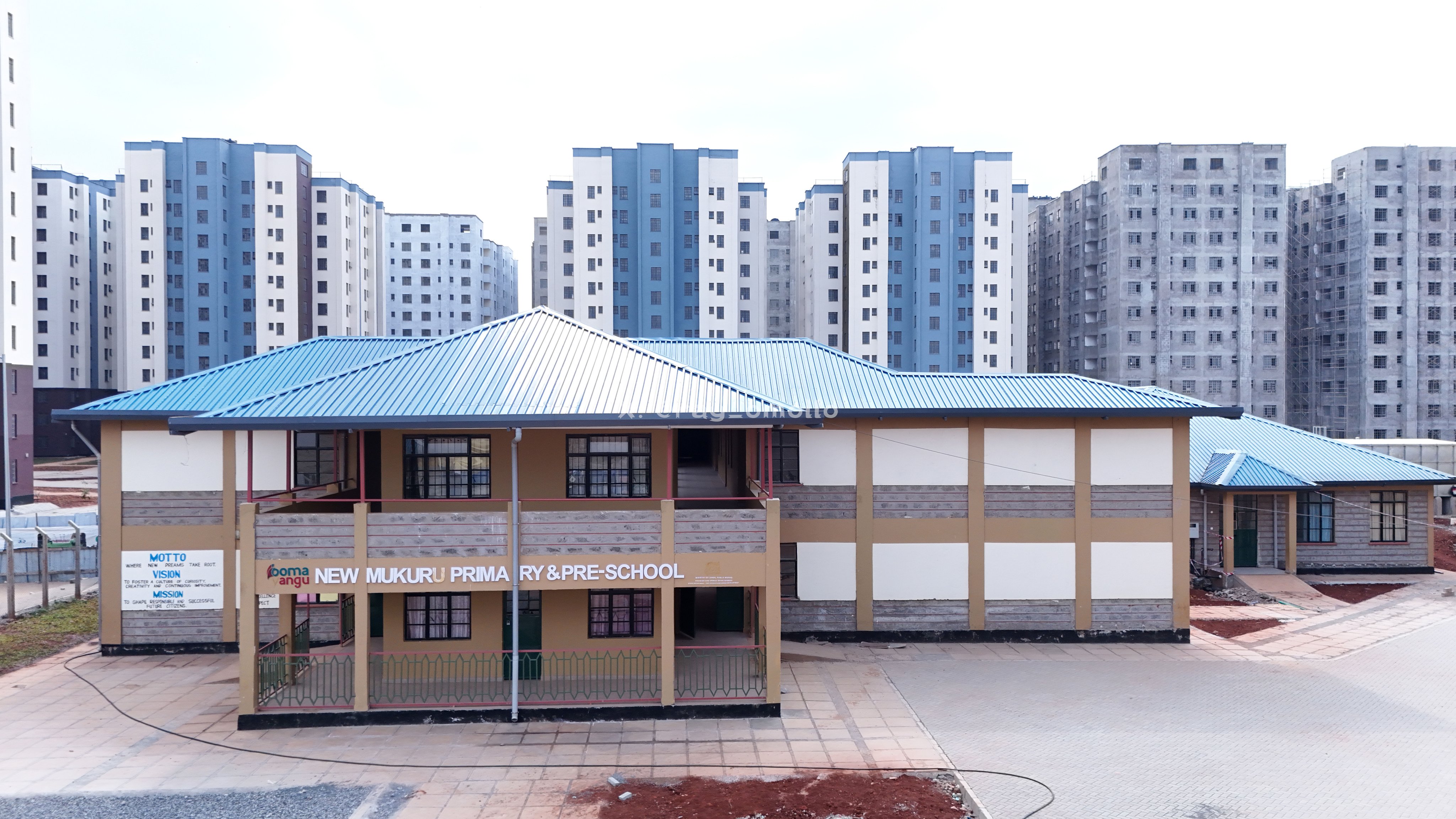
Mukuru is particularly significant because the project demonstrates that affordable housing can be combined with urban regeneration. Instead of merely replacing shacks with apartment blocks, the development has incorporated facilities intended to make the estate a functioning community. The New Mukuru Primary School and Pre-School, healthcare facilities, commercial spaces, police and fire services are designed to bring essential services closer to residents and reduce the disadvantages historically associated with informal settlements.
For children, the change could prove especially transformative. The presence of a modern primary school, Early Childhood Development and Education (ECDE) facilities means young residents can access education within their neighbourhood rather than navigating difficult journeys to schools elsewhere. This is more than convenience: it creates an environment in which children can grow up with improved prospects for education, safety and social development.
Healthcare has also become an important pillar of the Mukuru transformation. The New Mukuru Level IV Hospital provides a major healthcare facility within the estate, while additional outpatient services bring medical care closer to residents. For a community historically characterised by inadequate access to public services, having healthcare integrated into the neighbourhood can reduce the time, cost and disruption associated with seeking treatment elsewhere.
Water and household services further illustrate the difference between the old and new Mukuru. The development includes a five-million-litre underground water tank, high-level storage and supporting water infrastructure. The estate also incorporates a reticulated cooking-gas system, allowing households to access cooking fuel through a more organised supply network. Such infrastructure addresses some of the basic service challenges that have historically affected residents of Nairobi’s informal settlements.
The economic dimension is equally important. The estate includes commercial space where businesses such as eateries, cybercafés, shops and other enterprises can operate. This creates opportunities for residents to live closer to where they work and potentially reduces the daily costs associated with travelling across Nairobi. Government officials have emphasised that the intention is to create communities where people can live, work and access essential services within the same neighbourhood.
Security and emergency response have also been incorporated into the development. A Mukuru Police Station strengthens law-enforcement presence, while the Mukuru Fire Station provides dedicated firefighting and emergency-response capacity in a densely populated area that has historically been vulnerable to fires and other emergencies. For the State Department for Internal Security and National Administration, these facilities are particularly important because the gains made through housing must be protected by a safe environment and effective community policing.
The project also illustrates the broader economic effects of the Affordable Housing Programme. Construction has created opportunities for local workers, artisans and small enterprises. Reporting on the Mukuru project notes the involvement of welders, carpenters, landscapers and other Jua Kali artisans in producing components and completing works. In this sense, the programme has the potential to generate employment not only through completed homes but throughout the construction and supply chain.
Mukuru therefore offers a glimpse of what Kenya’s urban future could look like if affordable housing is consistently linked to infrastructure, employment, security, education and healthcare. The project is also aligned with the broader ambition of creating inclusive and sustainable human settlements, with Kenya’s Permanent Mission to UN-Habitat noting its contribution towards Sustainable Development Goal 11, which promotes inclusive, safe, resilient and sustainable cities.
The story of Mukuru is ultimately about more than concrete, apartments and infrastructure. It is about children waking up in safer surroundings, parents having a more dignified home, businesses operating closer to customers, and communities gaining access to services that were previously difficult to obtain. As Kenya looks beyond Vision 2030 towards a new development era, the Mukuru experience demonstrates what can happen when a national policy is translated into tangible improvements in the lives of ordinary citizens. The challenge now is to sustain that momentum, ensure affordability and expand similar integrated developments to other informal settlements across the country.