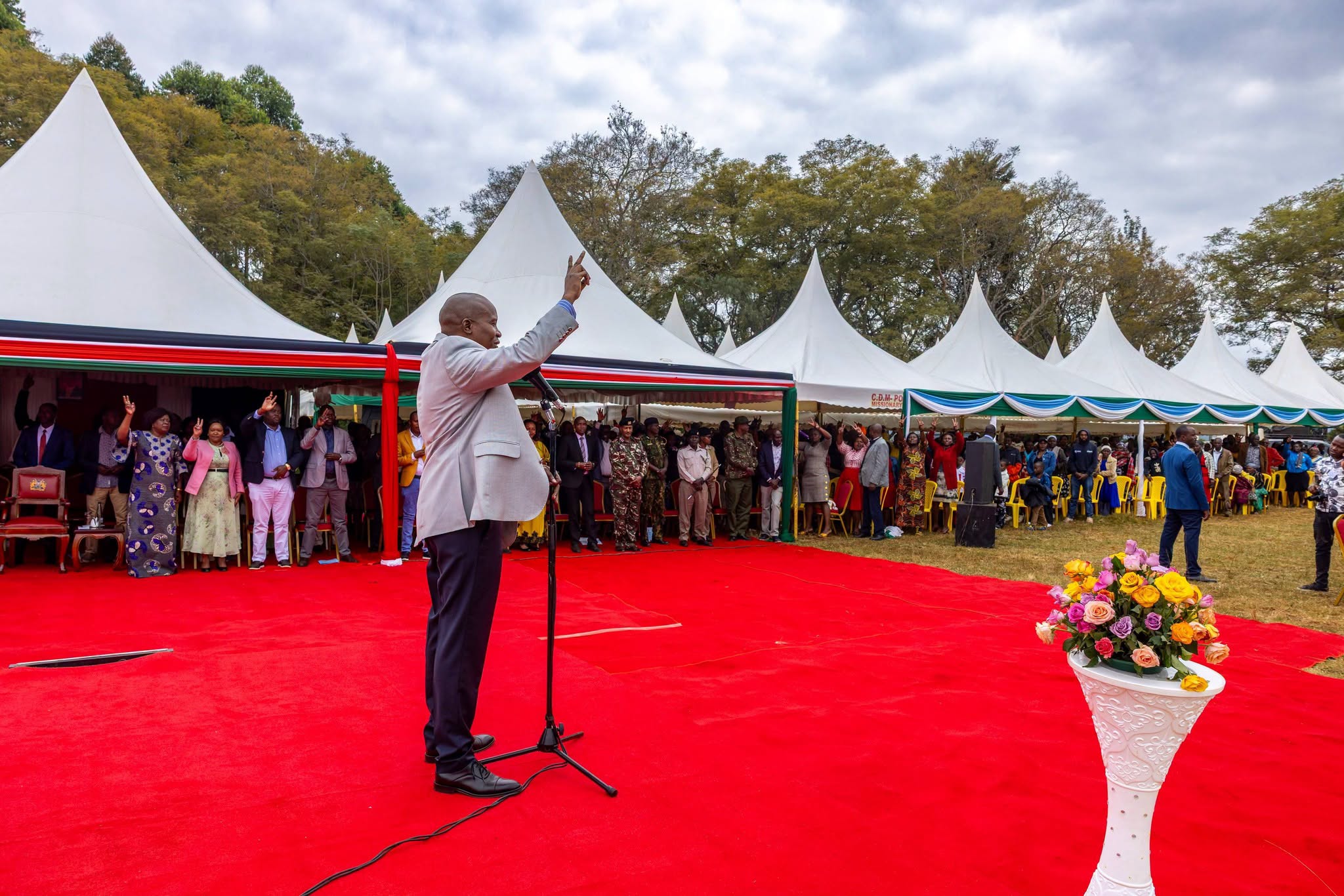
Deputy President Kithure Kindiki has called on the Mt Kenya region to preserve its unity ahead of the 2027 General Election, warning residents against allowing political competition to fracture long-standing social, economic and family ties. Kindiki said elections are temporary contests for leadership, while communities and the nation remain together long after political campaigns have ended.
Kindiki urged Mt Kenya residents to judge political leaders by their records and achievements rather than insults, violence, ethnic mobilisation or inflammatory rhetoric. He argued that genuine political competition should be based on what leaders have delivered to citizens, giving voters an opportunity to compare performance and make informed choices without turning elections into battles between communities.
The Deputy President’s message comes amid efforts by former Deputy President and impeached political leader Rigathi Gachagua to position himself as a dominant political voice and self-styled tribal kingpin in Mt Kenya. Kindiki’s approach offers a contrasting political model, centred on development, government performance and national cohesion rather than personality-driven mobilisation and rhetoric designed to deepen regional political divisions.
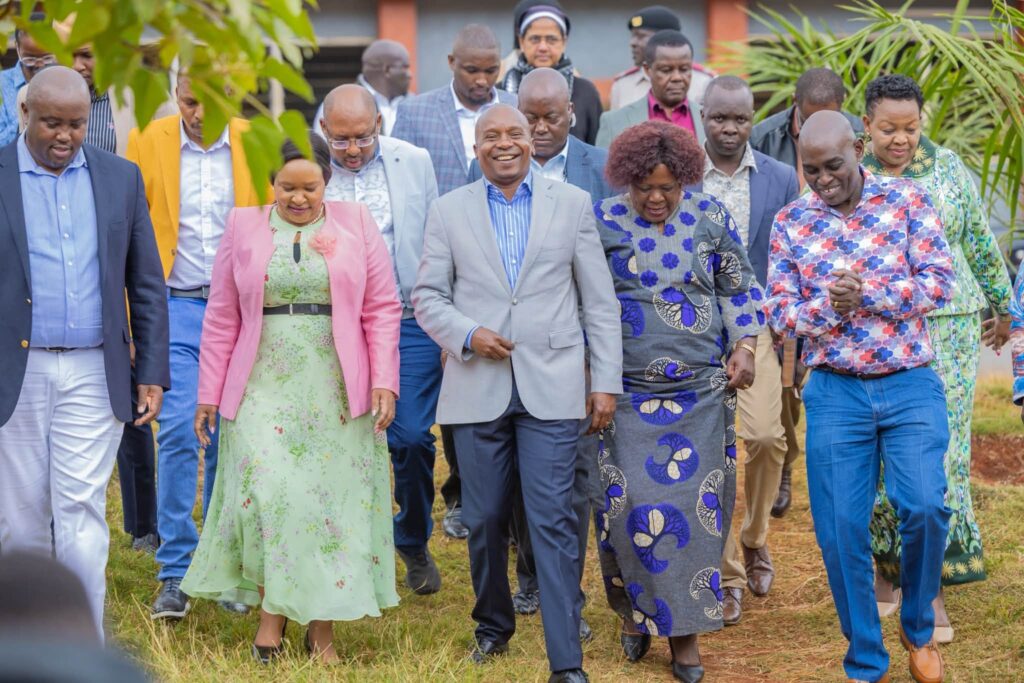
Kindiki maintained that the region has historically demonstrated strong collective support for its leaders, citing former Presidents Jomo Kenyatta, Mwai Kibaki and Uhuru Kenyatta. However, he stressed that political differences should not destroy that unity, insisting that residents can support different candidates while remaining brothers and sisters committed to peaceful coexistence.
The Deputy President also reaffirmed his loyalty to President William Ruto and the Kenya Kwanza administration, declaring that he has no intention of abandoning the government. He described the administration as “our government” and urged Mt Kenya residents to remain engaged with it, arguing that staying within the political process provides the region with an opportunity to influence government decisions and secure further development.
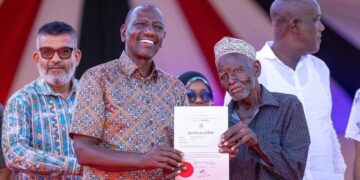
Kindiki has increasingly sought to frame his political role around government delivery rather than political confrontation. He pointed to investments in markets, affordable housing and the issuance of title deeds as evidence of the administration’s efforts to improve livelihoods. His message is that political credibility should ultimately be measured by tangible projects and improvements in people’s lives rather than the ability to command political crowds or dominate public rhetoric.
His position also places pressure on Mt Kenya politicians seeking to build political influence ahead of 2027 to demonstrate what they have accomplished. Kindiki said he would present his own record and allow other leaders to present theirs, leaving voters to determine who deserves their support. Such an approach shifts the political debate from ethnic loyalty and personal attacks toward accountability, performance and measurable development outcomes.
As the 2027 political contest begins to take shape, Kindiki is positioning unity, development and continuity at the centre of his appeal to Mt Kenya. He has warned that politics should never justify insults, stone-throwing, destruction of businesses or violence, arguing that political contests eventually end while communities remain. His message is therefore a direct call for Mt Kenya to protect its cohesion and demand results from its leaders rather than surrendering its political future to divisive rhetoric or personality-driven tribal politics.