The Kenyan government is advancing the construction of the Kenya Home of Human Origins Museum and Science Park in the Kalokol area of the Lake Turkana Basin, marking a landmark national investment that will reinforce Kenya’s position as the world’s foremost centre for human origins research, heritage conservation, scientific discovery, and sustainable tourism. Spearheaded by the National Museums of Kenya in collaboration with a Presidential Taskforce, the flagship project reflects the government’s long-term vision of transforming one of the world’s most significant archaeological landscapes into a globally recognized destination for research, education, innovation, and cultural exchange.
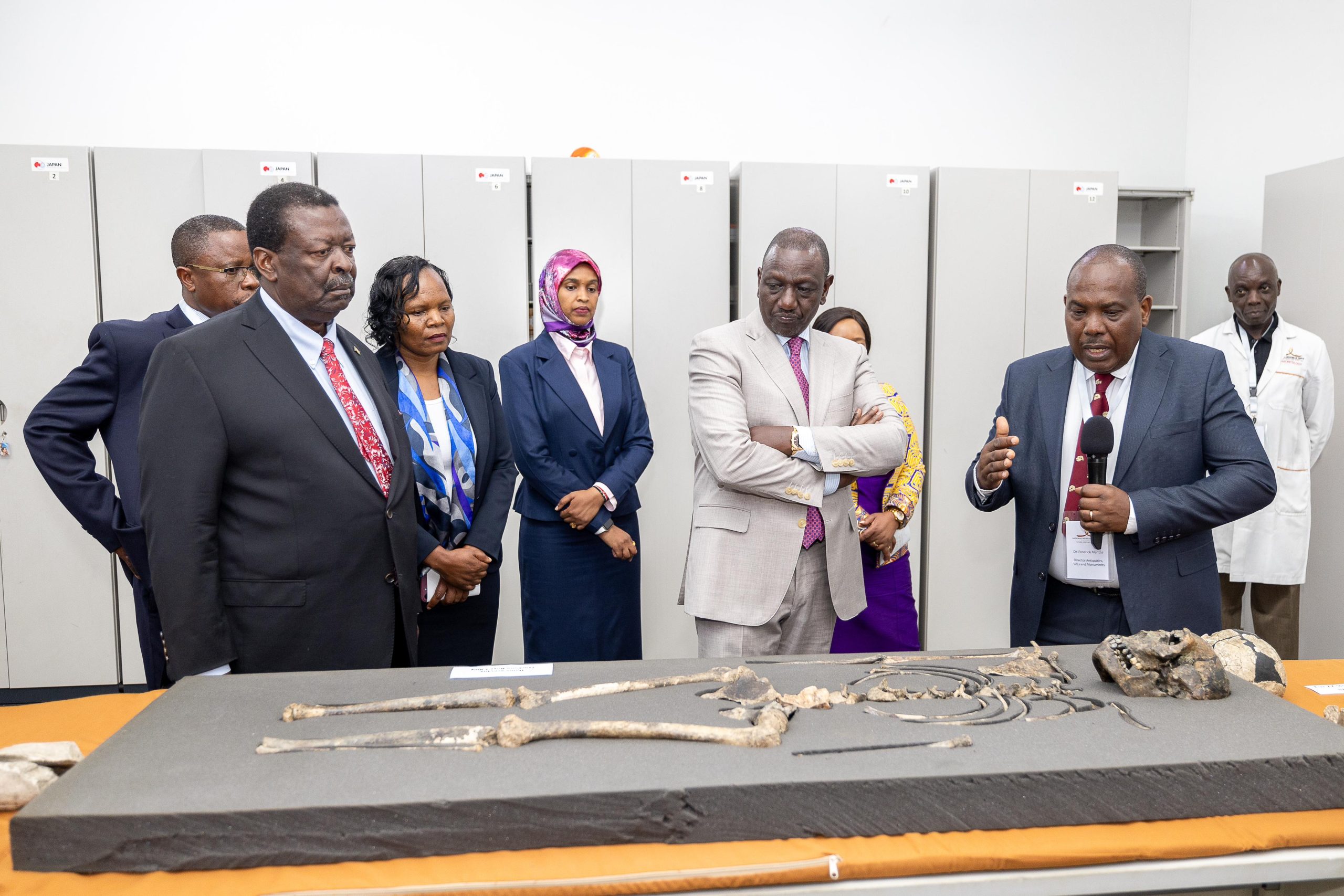
The ambitious initiative builds upon the unmatched scientific importance of the Lake Turkana Basin, a region that has transformed global understanding of human evolution through decades of groundbreaking discoveries. The basin is internationally celebrated for remarkable finds including the 1.6-million-year-old Turkana Boy fossil and some of the earliest known stone tools, discoveries that have established Kenya as an indispensable contributor to the story of humanity. By creating a world class museum and science park at the heart of this historic landscape, the government is ensuring that these extraordinary discoveries are preserved, interpreted, and shared with future generations through modern scientific and educational facilities.
The project represents a major step in positioning Kenya as the undisputed global home of human origins studies. Beyond serving as a museum, the facility is designed as an integrated scientific and research ecosystem capable of attracting leading universities, international research institutions, archaeologists, paleoanthropologists, students, and scientific organizations from across the world. This concentration of expertise is expected to deepen international collaboration, expand research opportunities, strengthen knowledge exchange, and reinforce Kenya’s leadership in one of the world’s most important scientific disciplines.
Equally significant is the project’s contribution to safeguarding Kenya’s rich archaeological, cultural, and natural heritage. The museum and science park will provide an internationally recognized platform for conserving invaluable collections while presenting Kenya’s historical legacy through modern exhibitions, advanced research laboratories, educational centres, and interactive learning spaces. These investments will strengthen heritage preservation while ensuring that Kenya’s unique contribution to understanding human history receives the global recognition it deserves.
A defining feature of the initiative is the government’s commitment to facilitating the return of more than 32,000 Kenyan heritage artefacts and collections currently housed in museums and institutions around the world. Their repatriation will enable these priceless cultural treasures to be preserved and showcased within their country of origin, enriching national collections while providing scholars, students, and visitors with unprecedented access to Kenya’s historical heritage. Bringing these collections home also reinforces Kenya’s cultural sovereignty and strengthens international efforts to preserve heritage within its authentic historical and geographical context.
Beyond its scientific and cultural significance, the Kenya Home of Human Origins Museum and Science Park is expected to become a powerful catalyst for economic transformation across Turkana County and the wider northern region. The project is anticipated to stimulate eco-tourism, cultural tourism, heritage tourism, and educational tourism by attracting visitors seeking authentic historical experiences alongside world class research facilities. Increased visitor numbers will create new demand across hospitality, transport, accommodation, retail, tour operations, and community enterprises, generating employment opportunities and expanding local incomes.
The government’s broader development agenda surrounding the project further demonstrates its commitment to ensuring that heritage investments translate into tangible improvements in the quality of life for surrounding communities. Planned investments in roads, digital connectivity, water infrastructure for households and livestock, enhanced security, improved health facilities, upgraded educational institutions, and the renovation of existing museums will create a stronger foundation for inclusive regional development while improving access to essential public services.
The museum and science park also presents significant opportunities for private sector investment across multiple sectors. Growth in tourism infrastructure, hotels, conference facilities, research institutions, educational centres, conservation services, and supporting industries will create new commercial opportunities while strengthening northern Kenya’s integration into national and international tourism circuits. The project is expected to attract investors seeking to participate in one of Africa’s most distinctive heritage and scientific destinations while creating long term value for local businesses and entrepreneurs.
The initiative further strengthens Kenya’s investment in science education and innovation by creating a dynamic environment where students, researchers, and the public can engage directly with the country’s extraordinary archaeological record. Through modern exhibitions, research programmes, public education initiatives, and scientific outreach, the museum will inspire greater interest in archaeology, anthropology, environmental science, conservation, and innovation while nurturing future generations of Kenyan scientists and researchers
Collaboration between the National Museums of Kenya, the Presidential Taskforce, research institutions, development partners, and international scientific networks underscores the scale and ambition of the undertaking. This coordinated approach brings together scientific expertise, heritage management, infrastructure development, and policy leadership to deliver a world class institution capable of competing with leading heritage and research centres globally.
As Kenya continues to strengthen its international profile, the Kenya Home of Human Origins Museum and Science Park stands as a powerful instrument of cultural diplomacy, scientific leadership, and sustainable development. By preserving one of humanity’s greatest historical legacies while expanding opportunities for research, tourism, education, and investment, the project reinforces Kenya’s standing as the cradle of humankind and demonstrates how heritage can serve as a foundation for national development and global engagement.
The construction of the Kenya Home of Human Origins Museum and Science Park therefore represents far more than the development of a new national institution. It is a transformative national investment that preserves Kenya’s unparalleled heritage, advances scientific discovery, promotes sustainable tourism, expands economic opportunity, and firmly cements the country’s position as the undisputed home of human origins.