President William Ruto’s administration has intensified its nationwide infrastructure drive with the rollout of Sh8.5 billion worth of transformative projects in Tana River County, signaling the government’s broader strategy of using development investments to unlock economic growth in historically marginalized regions. The projects, which span housing, roads, education, agriculture, and markets, are part of the Kenya Kwanza administration’s Bottom-Up Economic Transformation Agenda (BETA) aimed at improving livelihoods and stimulating local economies across the country.
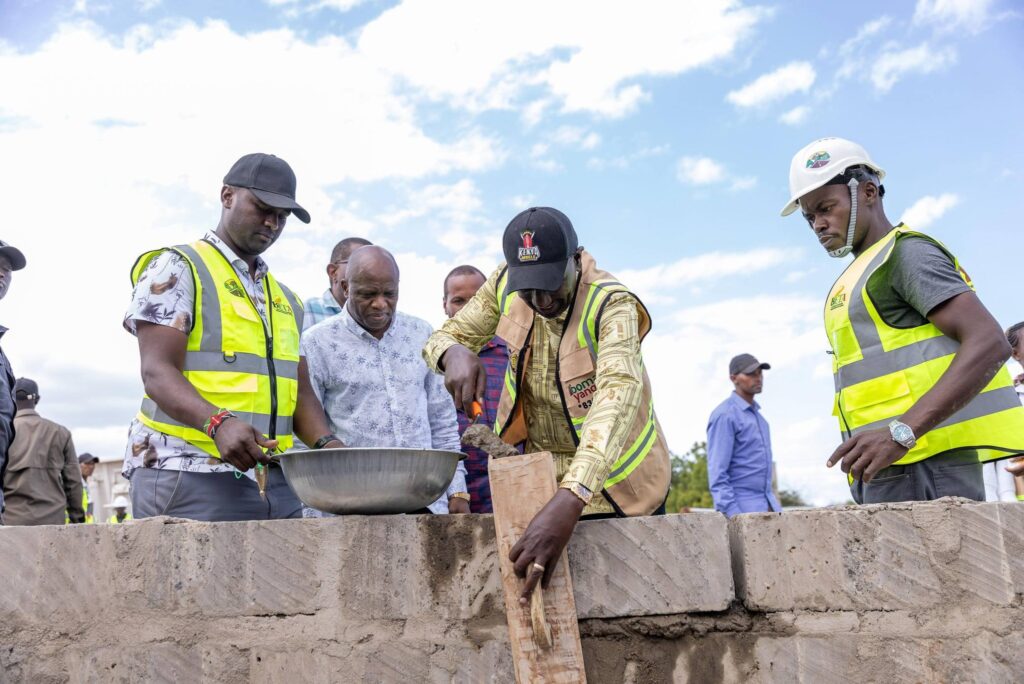
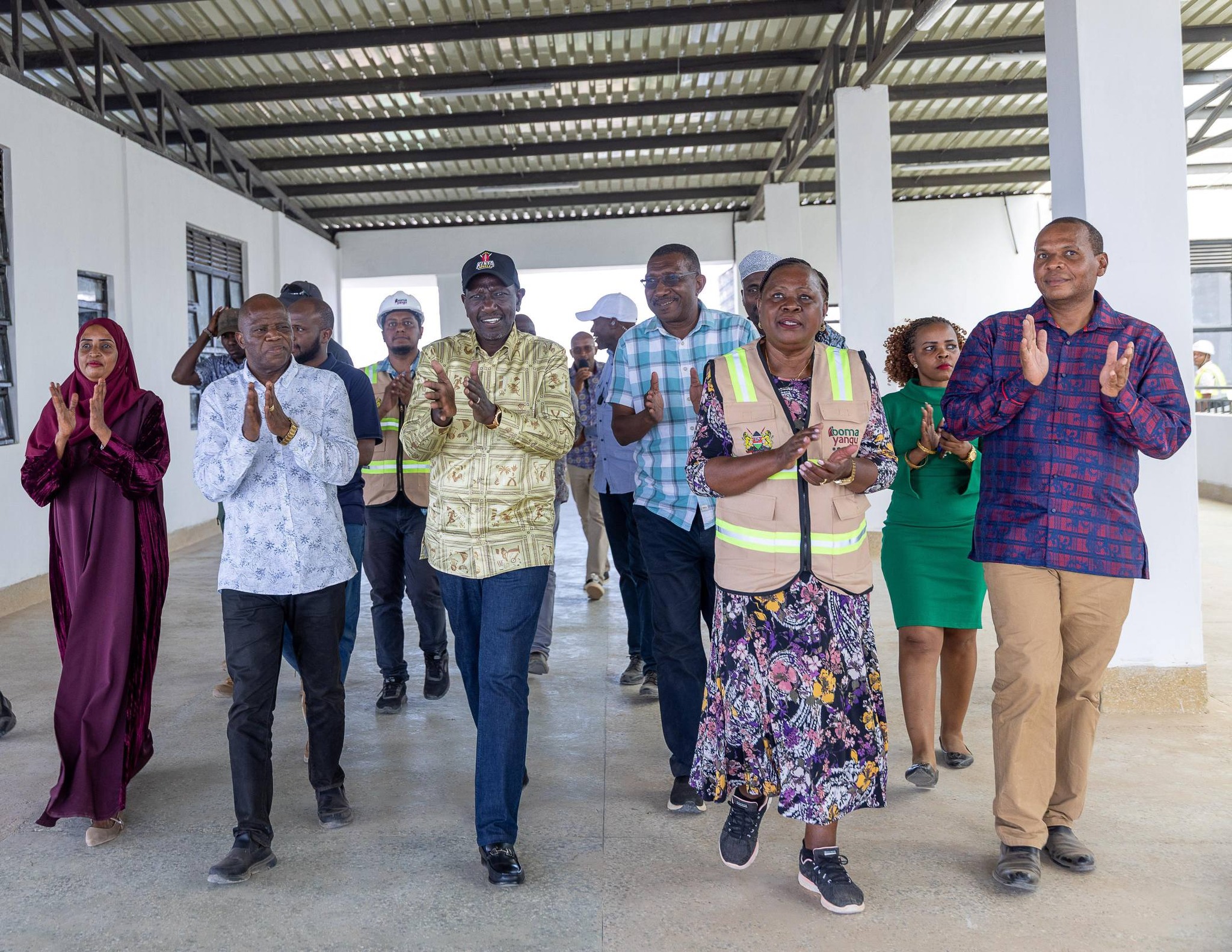
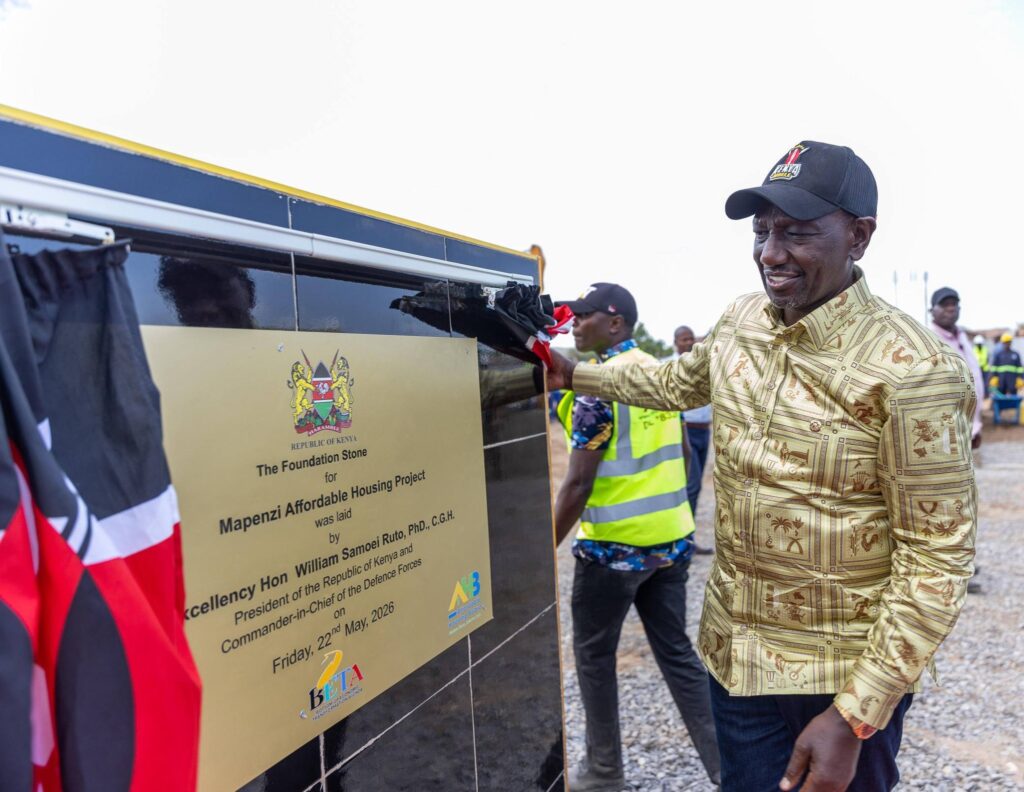
During his five-day development tour of the coastal region covering Mombasa, Kwale, Kilifi, Lamu, Tana River and Taita Taveta counties, President Ruto announced that the government will spend Sh7 billion on affordable housing projects, modern markets, and student hostels in Tana River. The projects include the Mapenzi, Vetlab, and Minjila affordable housing schemes, which are expected to deliver 2,000 housing units, 3,000-bed student hostels, and five modern markets designed to enhance business activities and improve living standards for residents.
The affordable housing programme is emerging as one of the administration’s flagship interventions across multiple counties, with the government positioning it as both a social and economic empowerment tool. Beyond addressing the housing deficit, the projects are expected to create thousands of direct and indirect jobs for local youth, contractors, artisans, suppliers, and small businesses. The markets under construction are also expected to provide traders with safer and more organized business spaces, boosting informal sector growth and expanding local revenue generation.
In addition, the national government has committed Sh1.5 billion toward upgrading and tarmacking roads within the county to improve connectivity and stimulate economic activities. Improved road networks are expected to ease transportation challenges, connect rural producers to markets, reduce travel time, and attract new investments into agriculture, trade, tourism, and logistics. The roads are also expected to strengthen regional integration along the Coast region while improving access to essential public services.
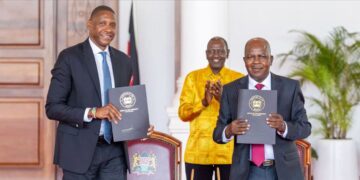
The President further revealed that investors are prepared to inject Sh10 billion into sugar and rice processing factories in Tana River, a move expected to create employment opportunities for at least 5,000 youth while unlocking the county’s vast agricultural potential. The announcement follows a recent agreement signed between the National Irrigation Authority and Sukari Industries Ltd for sugar production on 50,000 acres within the Bura Irrigation Scheme. The project will involve infrastructure development, cane farming, value addition, and establishment of support facilities aimed at reviving large-scale agricultural production in the region.
The sugar investment is also strategically important to Kenya’s broader economic agenda, especially in reducing the country’s heavy dependence on imported sugar. Kenya consumes about 1.2 million metric tonnes of sugar annually, yet local production has consistently fallen short, forcing the country to rely on imports to bridge the deficit. By expanding local production through irrigation-backed investments, the government hopes to reduce pressure on foreign exchange reserves, strengthen food security, and enhance rural industrialization in agricultural counties.
Governor Dhadho Godhana described the projects as historic interventions capable of transforming a county that has long faced marginalization and underdevelopment. The governor said the President’s visit had restored hope among residents and reaffirmed the national government’s commitment to equitable infrastructure distribution. According to Godhana, the projects will help bridge the county’s infrastructure deficit while accelerating economic growth through investments in roads, electricity, water, education, and technical training institutions.
Education has also emerged as a major pillar of the government’s development agenda in Tana River, with the construction of the first-ever Garsen Teachers Training College since independence. Education Cabinet Secretary Julius Ogamba said the institution will expand access to quality teacher training and strengthen human capital development in the region. The project reflects the Kenya Kwanza administration’s broader nationwide strategy of investing in infrastructure that directly impacts citizens’ lives, particularly in marginalized counties, while promoting inclusive growth, employment creation, and long-term socio-economic transformation across the country.