The Kenya National Chamber of Commerce and Industry (KNCCI) has entered into a strategic partnership with the Ministry of Youth Affairs, Creative Economy and Sports to implement the World Bank-backed NYOTA Programme, a major initiative targeting 130,000 young people across the country. The collaboration signals a renewed push by the government to tackle youth unemployment through structured, skills-based interventions.
At the core of the partnership is a deliberate policy shift emphasizing youth empowerment through enterprise and employment, rather than political mobilization. The government has underscored its intent to support young entrepreneurs and job seekers through tangible programmes, distancing service delivery from what it describes as rising populist politics driven by sections of the opposition.
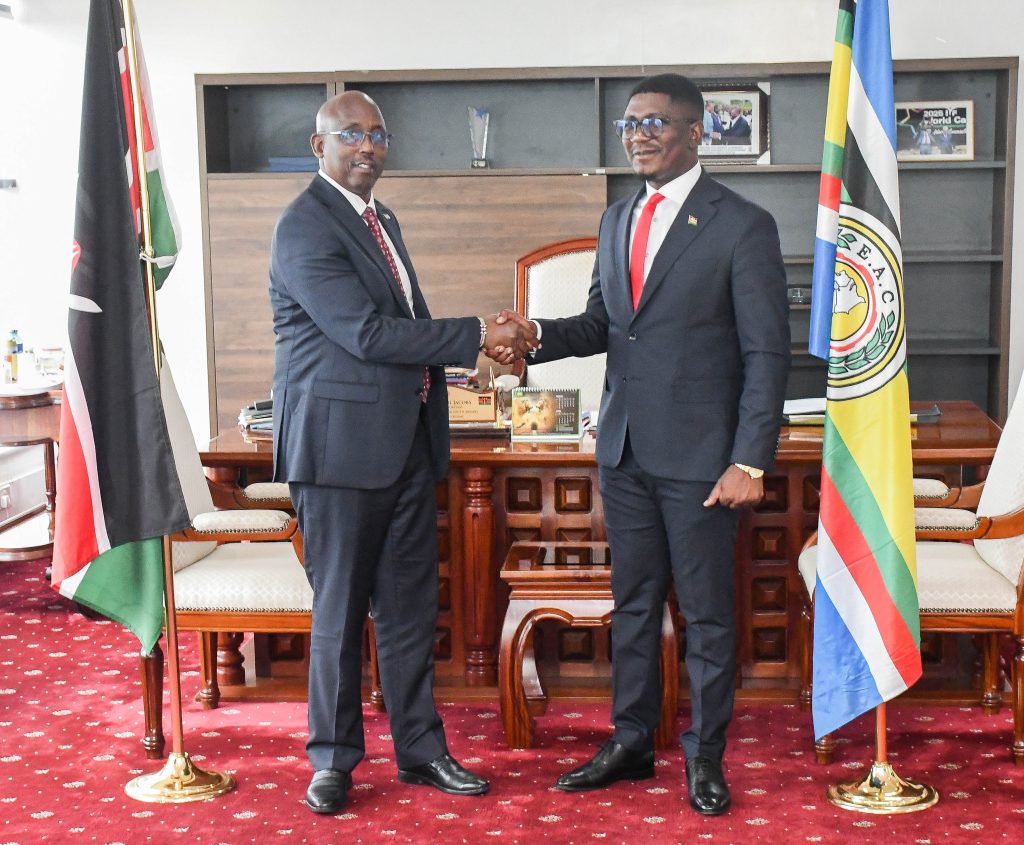
The framework agreement formalizing the partnership was signed by Principal Secretary Fikirini Jacobs Katoi and KNCCI Chief Executive Officer KK Mutai. The event marked a significant milestone in aligning public and private sector efforts toward youth economic inclusion and job creation.
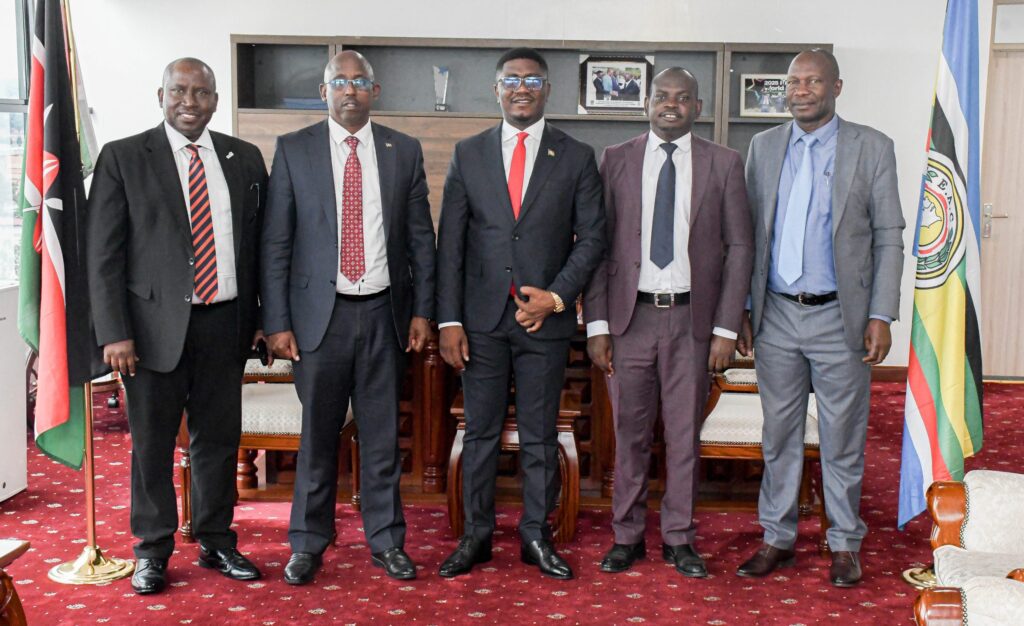
The signing ceremony was witnessed by key stakeholders, including NYOTA Programme National Project Manager Augustine Mayabi and KNCCI Company Secretary Kihara Njuguna. Their presence highlighted the multi-stakeholder approach being adopted to ensure accountability and effective implementation of the initiative.
Under the agreement, KNCCI has been designated as the Umbrella Employer Organization (UEO), giving it a central role in coordinating the nationwide rollout of the Hands-on Experience Programme. This component is designed to bridge the gap between education and employment by offering practical, workplace-based learning opportunities.
Out of the 130,000 targeted beneficiaries, 90,000 youth will be placed within the formal sector, while 40,000 will be absorbed into the informal economy. This dual approach reflects Kenya’s labor market realities, where the informal sector remains a critical source of livelihoods for a majority of the population.
The programme aims to provide structured exposure through placements with both formal employers and skilled artisans. By focusing on hands-on experience, it seeks to equip young people with market-relevant skills, enhance employability, and create clearer pathways to sustainable income generation.
Phase II of the rollout will initially focus on seven counties: Kakamega County, Bungoma County, Migori County, Siaya County, Busia County, Kisumu County, and Vihiga County. The selection reflects a targeted approach aimed at expanding opportunities in regions with high youth populations and significant economic potential.