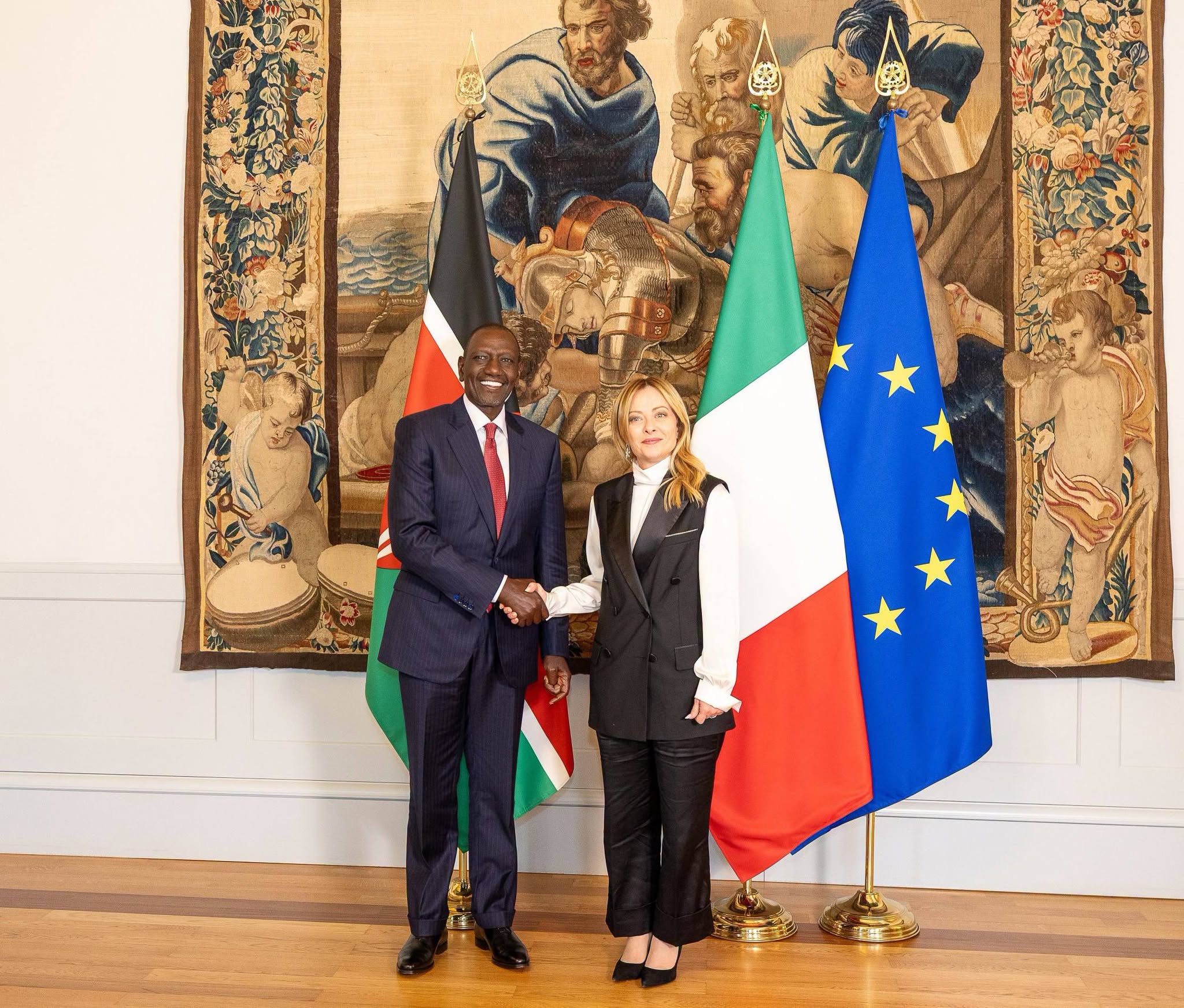
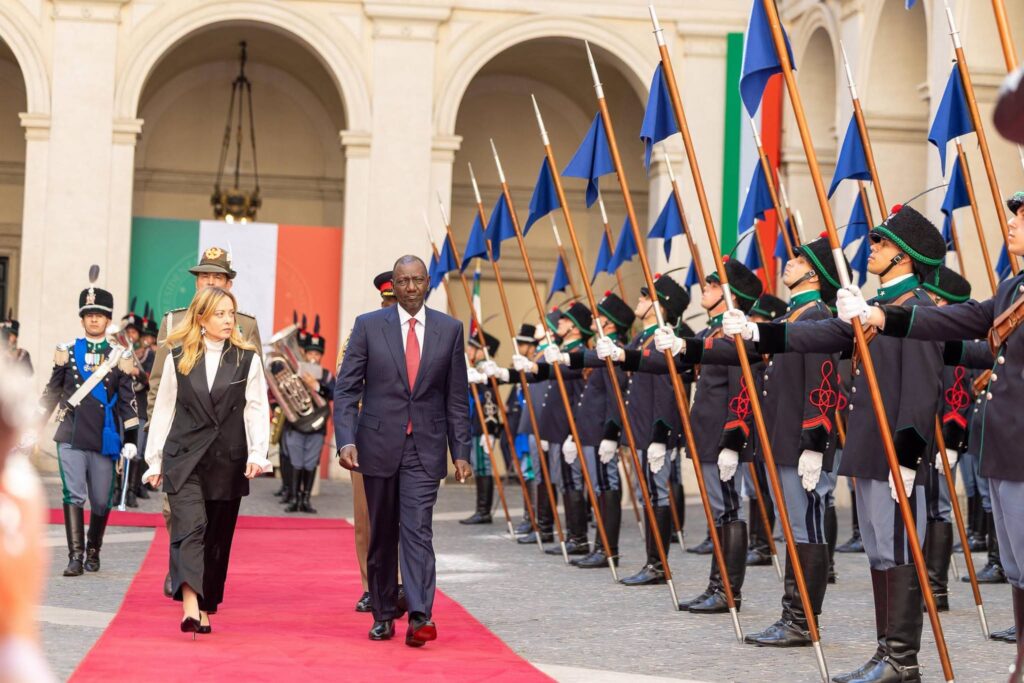
The official visit by William Ruto to Rome on April 20, 2026, marks a significant turning point in bilateral relations between Kenya and Italy. Hosted by Prime Minister Giorgia Meloni, the visit culminated in the adoption of the Italy–Kenya Action Plan (2026–2029), a structured roadmap aimed at deepening cooperation across political, economic, technological, and security sectors. The agreement signals a shift from traditional diplomacy toward a results-oriented strategic partnership anchored in shared interests.
At the core of this engagement is Italy’s Mattei Plan for Africa, which positions Kenya as a priority partner in advancing Europe–Africa relations. Kenya’s strategic location, economic resilience, and regional influence make it an ideal gateway for Italian investment into East Africa. For Nairobi, this partnership aligns with its broader foreign policy agenda of diversifying global alliances while attracting capital, technology, and expertise to drive national development.
Politically, both nations committed to strengthening structured dialogue through regular high-level visits and institutional consultations. This includes enhanced coordination within multilateral platforms such as the United Nations. The move institutionalizes diplomacy between the two countries, ensuring continuity, improved policy coordination, and a unified approach to global challenges such as climate change, migration, and technological transformation.
Economic cooperation stands out as a central pillar of the agreement, with a strong focus on boosting trade and investment flows. Building on the EU–Kenya Economic Partnership Agreement, the two countries aim to expand bilateral trade, support private sector engagement, and promote joint ventures. Italy’s industrial expertise, particularly in manufacturing and small and medium enterprises, is expected to play a transformative role in Kenya’s push toward industrialization and value addition.
Infrastructure development is another critical area highlighted during the visit. The partnership opens avenues for Italian participation in major infrastructure projects, including transport systems, energy networks, and urban development. This is particularly significant for Kenya, which continues to prioritize infrastructure expansion as a driver of economic growth. Increased investment in this sector is expected to enhance connectivity, reduce logistical costs, and attract further foreign direct investment.
In the realm of sustainable development, the Action Plan emphasizes climate resilience, renewable energy, and environmental protection. Both countries agreed to collaborate on circular economy initiatives, sustainable waste management systems, and green energy projects. For Kenya, which is highly vulnerable to climate change, this cooperation provides access to financing, technology, and expertise needed to transition toward a more sustainable and climate-resilient economy.
Agriculture and food security also feature prominently in the partnership, with a focus on developing high-value supply chains and improving productivity. Special attention is given to sectors such as coffee and the blue economy, where Kenya has significant untapped potential. Italian support in these areas is expected to enhance export quality, increase farmer incomes, and strengthen food security systems across the country.
The agreement also breaks new ground in science, technology, and innovation. Both nations committed to advancing cooperation in areas such as artificial intelligence, research, and digital transformation. The inclusion of the Malindi-based Luigi Broglio Space Centre highlights the growing importance of space and technology collaboration. This positions Kenya to benefit from knowledge transfer, innovation ecosystems, and integration into the global digital economy.
Education and human capital development form another key pillar of the Action Plan. The two countries agreed to expand Technical and Vocational Education and Training (TVET) programs, promote academic exchanges, and strengthen institutional partnerships. This focus on skills development is crucial for Kenya as it seeks to build a competitive workforce capable of supporting industrial growth and technological advancement.
Tourism and cultural exchange were also identified as vital areas of cooperation. Both leaders emphasized the role of tourism in driving economic growth, fostering cultural understanding, and strengthening people-to-people ties. By promoting sustainable and inclusive tourism, Kenya stands to benefit from increased international arrivals, higher foreign exchange earnings, and enhanced global visibility as a premier travel destination.
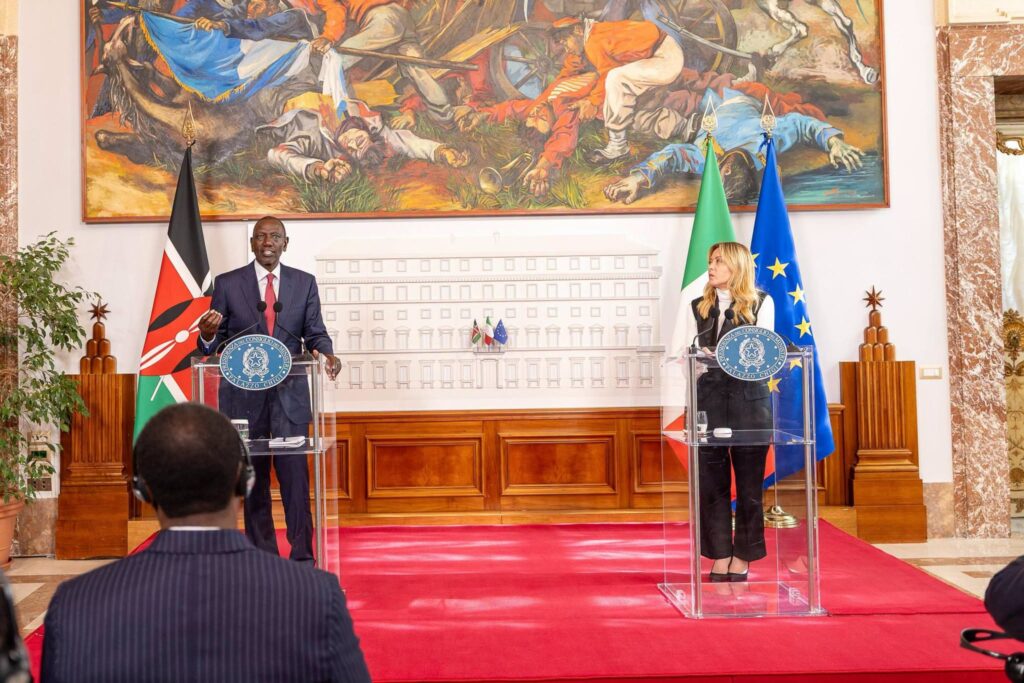
On defense and security, the signing of a cooperation agreement marks a significant step in addressing shared security challenges. The partnership will focus on counterterrorism, maritime security, and capacity-building initiatives, while respecting national sovereignty. For Kenya, this collaboration strengthens its ability to respond to regional threats and enhances its overall security architecture.
In conclusion, President Ruto’s visit to Italy represents a strategic leap forward in Kenya’s international relations. The Italy–Kenya Action Plan (2026–2029) provides a comprehensive framework for cooperation that spans critical sectors of the economy. If effectively implemented, the partnership has the potential to drive economic transformation, enhance technological capacity, and solidify Kenya’s position as a leading regional and global player.