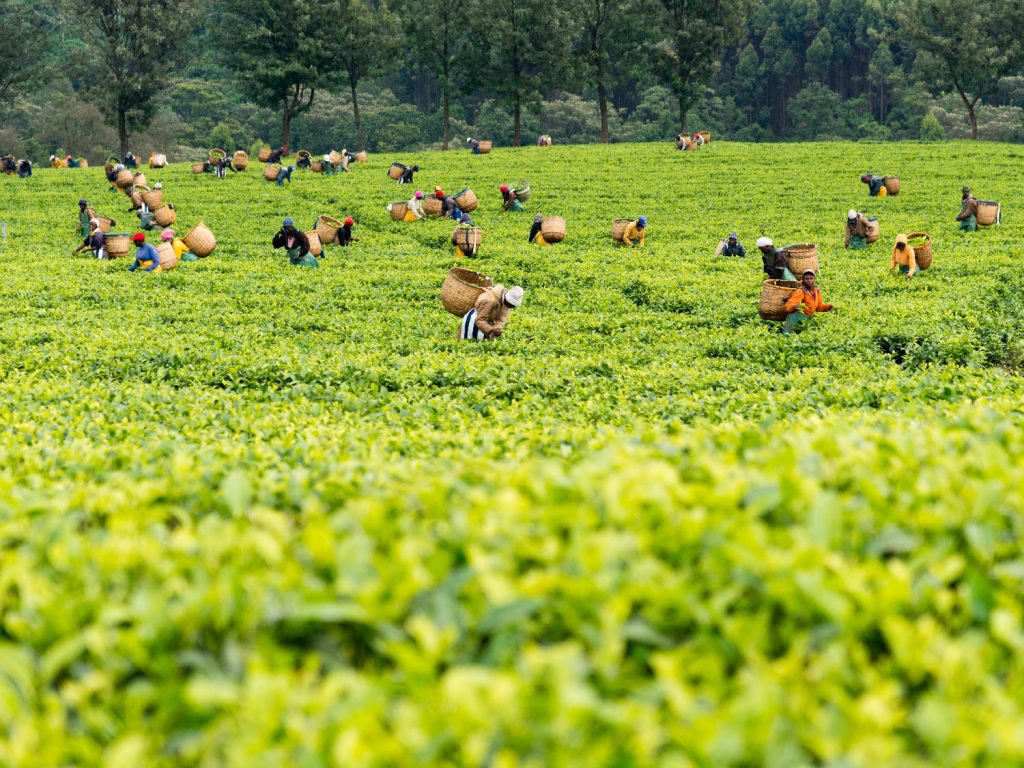
The government has injected Sh3.5 billion into the tea sector in a decisive move aimed at revitalizing one of Kenya’s most critical agricultural industries. This investment targets the refurbishment and modernization of tea factories, ensuring they meet international standards while enhancing efficiency and competitiveness. At the core of this initiative is a deliberate effort by the government to ensure that tea farmers receive fair value for their produce, reversing years of low returns and inefficiencies in the sector.
The funding will support the modernization of 19 tea processing factories across the country, equipping them with advanced technologies to improve quality and reduce production costs. By upgrading these facilities, the government is not only addressing structural challenges but also positioning Kenyan tea to fetch higher prices in global markets. This shift underscores a broader strategy of strengthening the entire tea value chain, from production to export.
Speaking during the issuance of a corporation certificate to Olenguruone Tea Factory, Agriculture PS Dr. Kiprono Rono emphasized that farmer welfare remains a top priority. He reaffirmed the government’s commitment to reforms that directly benefit farmers, while also issuing a stern warning against corruption and mismanagement within tea institutions. This signals a firm stance on accountability, ensuring that funds meant for farmers and factory development are used transparently and effectively.
One of the most immediate impacts of these reforms is the notable increase in tea prices. Farmers will now receive Sh26 per kilogram, up from the previous Sh16 per kg. This significant improvement reflects the government’s ongoing interventions to stabilize and uplift farmer earnings. Compared to recent years, where tea prices have remained relatively low and inconsistent, the current upward trend offers renewed hope and financial relief to farmers.
Beyond short-term price adjustments, the government has set an ambitious target of raising earnings to Sh100 per kilogram by 2027. This will be achieved through a combination of strategies, including factory modernization, promotion of orthodox tea production—which commands higher prices—and the removal of VAT on tea exports. These measures are designed to address systemic challenges such as low auction prices and high production costs that have historically disadvantaged farmers.
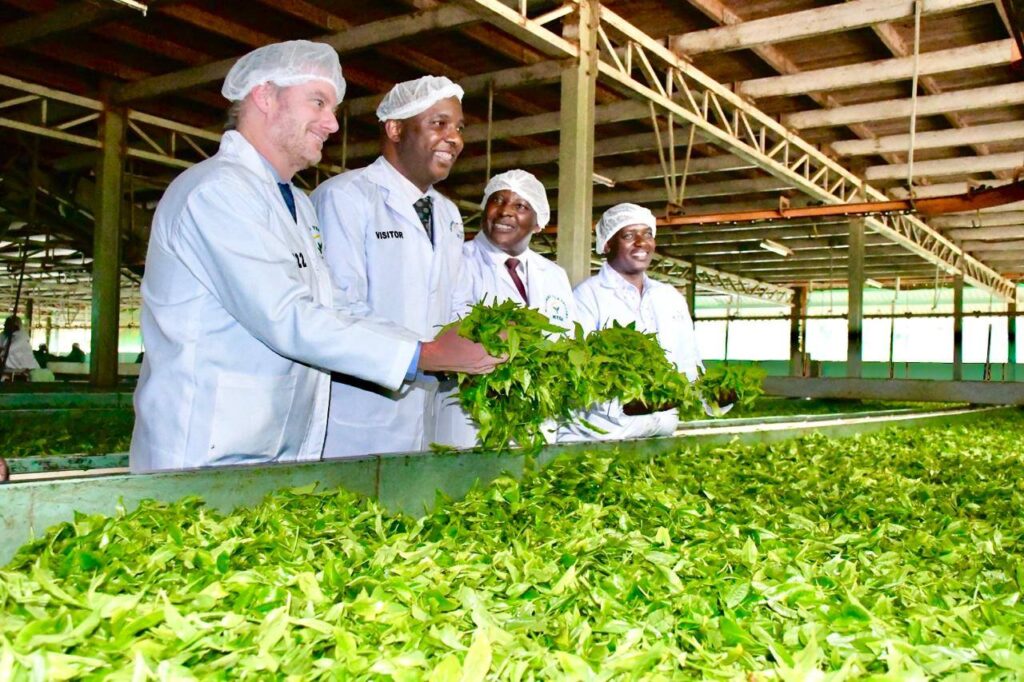
A key pillar of the reforms is value addition and diversification. The government is encouraging factories to move away from exporting raw tea and instead invest in processing and packaging locally. By increasing the share of value-added tea, Kenya can capture more revenue within its borders and enhance its bargaining power in international markets. This approach aligns with global demand trends, where consumers increasingly prefer premium, processed tea products.
Additionally, reforms within the Kenya Tea Development Agency (KTDA) framework are aimed at improving transparency and efficiency. Factories will now operate with greater autonomy, including the ability to conduct direct sales. This move is expected to eliminate middlemen, enhance price transparency, and ensure that farmers receive a larger share of the final sale price. Service-level agreements will also be introduced to guarantee quality service delivery to farmers.
The broader reform agenda also emphasizes timely payments and improved cash flow for farmers. New regulations stipulate that at least 50 percent of payments be made upfront, with the balance settled within three months. Combined with efforts to enhance green leaf quality, invest in research, and diversify markets, these measures demonstrate a comprehensive and deliberate government strategy. Ultimately, the reforms aim to transform the tea sector into a more profitable, transparent, and farmer-centered industry.