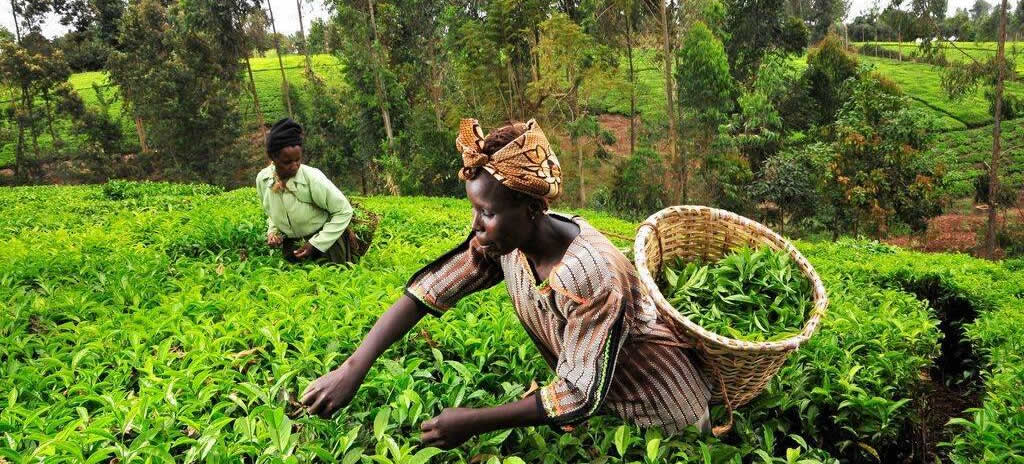
Kenya’s tea sector is entering a high-stakes transformation phase after the government committed Sh3.5 billion to refurbish processing factories, a move that signals a decisive shift from bulk commodity exports to premium, value-added production. The investment targets 19 factories linked to smallholder farmers and is designed to reposition the country’s tea industry as a technologically advanced, quality-driven export powerhouse capable of commanding higher prices at the Mombasa Tea Auction and beyond.
At the core of the initiative is a strategic recalibration of how Kenya processes and markets its tea. By upgrading aging machinery, installing modern processing lines, and enabling production of orthodox and specialty teas, the government is pushing factories to meet stringent international standards. This shift is expected to improve consistency, flavor profiles, and packaging quality, all of which are critical in attracting premium buyers in Europe, Asia, and emerging markets where traceability and quality assurance increasingly determine price.
The modernization drive also introduces a new layer of efficiency into factory operations. Enhanced processing technologies are set to reduce wastage, lower production costs, and improve turnaround times from green leaf intake to final product. These gains directly influence auction performance, where quality differentiation often determines pricing margins. With improved grading, sorting, and packaging, Kenyan tea is likely to secure stronger bargaining power, translating into higher earnings per kilo for farmers.
This intervention aligns closely with the economic transformation agenda of President William Ruto and the broader ambitions of Kenya Vision 2030, both of which prioritize value addition, export competitiveness, and industrialization within agriculture. By reducing reliance on raw exports and increasing local processing capacity, Kenya is seeking to capture a larger share of the global tea value chain, where branding, packaging, and product differentiation drive profitability.
The ripple effects across the tea ecosystem are expected to be significant. Smallholder farmers, who form the backbone of the industry under structures like the Kenya Tea Development Agency, stand to benefit from improved factory performance and stronger auction outcomes. Early indicators already point to rising farm-gate prices, with monthly payments increasing, signaling a shift toward more stable and rewarding income streams.
Beyond farmers, the modernization push is unlocking new opportunities for local businesses and agribusiness entrepreneurs. Upgraded factories require skilled technicians, quality control experts, and digital systems managers, creating demand for specialized labor and services. This opens pathways for youth employment and innovation in agritech, including automation, data-driven quality monitoring, and digital payment systems that enhance transparency and efficiency across the value chain.
The initiative is also reshaping Kenya’s position in regional and global trade. By improving product standards and enabling direct sales channels, factories can bypass traditional intermediaries and engage buyers more competitively. This enhances export margins while strengthening Kenya’s reputation as a supplier of high-quality, sustainably produced tea. In a global market increasingly defined by ethical sourcing and environmental compliance, modernized factories provide the infrastructure needed to meet these evolving demands.
Sustainability is emerging as a parallel pillar of the reform. New processing technologies are expected to improve energy efficiency and reduce environmental impact, while aligning with climate-smart agriculture practices at the farm level. The integration of research institutions and agribusiness incubators into the modernization agenda creates opportunities for innovation in drought-resistant tea varieties, soil management, and eco-friendly processing methods, all of which are critical for long-term resilience.
However, the scale of the investment also raises expectations around governance and accountability. Ensuring that funds are effectively deployed, infrastructure upgrades are completed on schedule, and performance metrics are transparently tracked will be critical to the success of the program. Key indicators will include improvements in factory output quality, growth in value-added tea exports, higher auction prices, and measurable increases in farmer incomes.
As the Sh3.5 billion injection begins to take effect, Kenya’s tea sector stands at a turning point. If successfully implemented, the modernization drive could redefine the country’s agricultural model, shifting it from volume-driven exports to a sophisticated, value-oriented system that delivers higher returns across the entire value chain. For farmers, investors, and policymakers alike, the stakes have never been higher.
President William Ruto has announced further reductions in subsidized fertilizer and maize seed prices, with a 50kg bag of fertilizer set to cost Sh2,000, down from Sh2,500, and...
Read moreDetails