President William Ruto has embarked on a significant five-day development tour across Western Kenya, signaling a renewed government focus on infrastructure, housing, and economic transformation in the region. Covering key counties such as Busia County, Kakamega County, and Vihiga County, the tour combines project inspections, groundbreakings, and policy messaging centered on development-driven leadership.
The President began his engagements in Kakamega by inspecting the expansion of the Kakamega Airstrip, a strategic project expected to enhance regional air connectivity. Improved air transport infrastructure is poised to unlock business potential, facilitate trade logistics, and attract investment into Western Kenya, positioning the region as a more competitive economic hub.
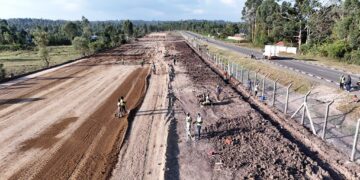
A major highlight of the tour is the continued investment in road infrastructure, which remains critical for regional integration. In Busia, the launch of the Nangina–Sio Port–Okados–Mundere road and the Matayos–Namwitsula–Nawesa road projects underscores the government’s commitment to improving connectivity. These roads are expected to ease movement of goods and people, reduce transport costs, and stimulate trade between constituencies such as Funyula and Budalang’i, ultimately boosting local economies.
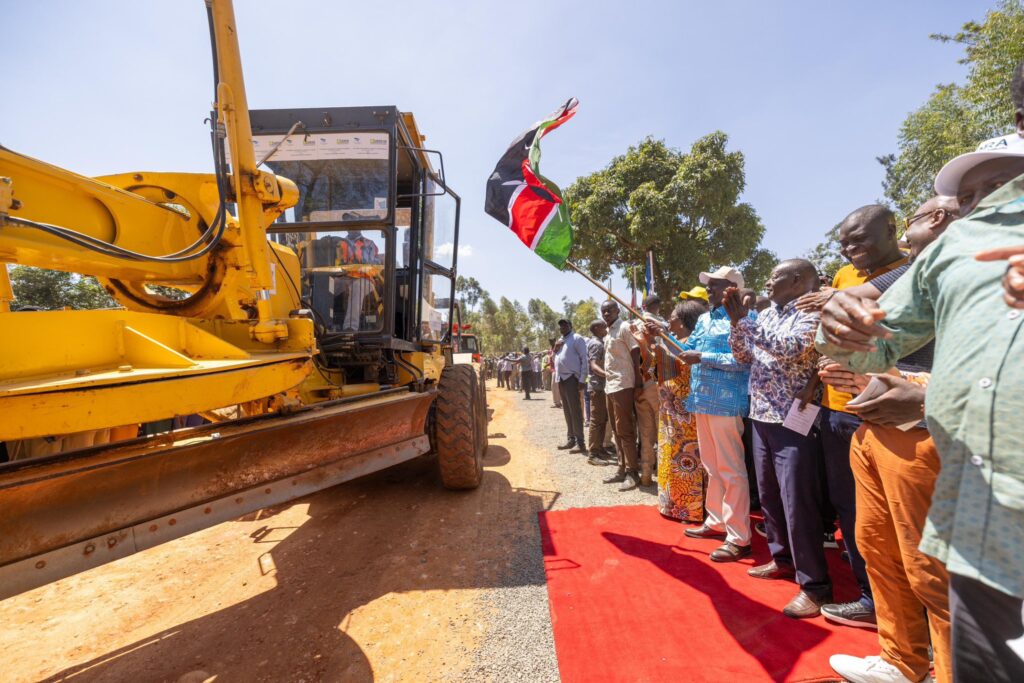
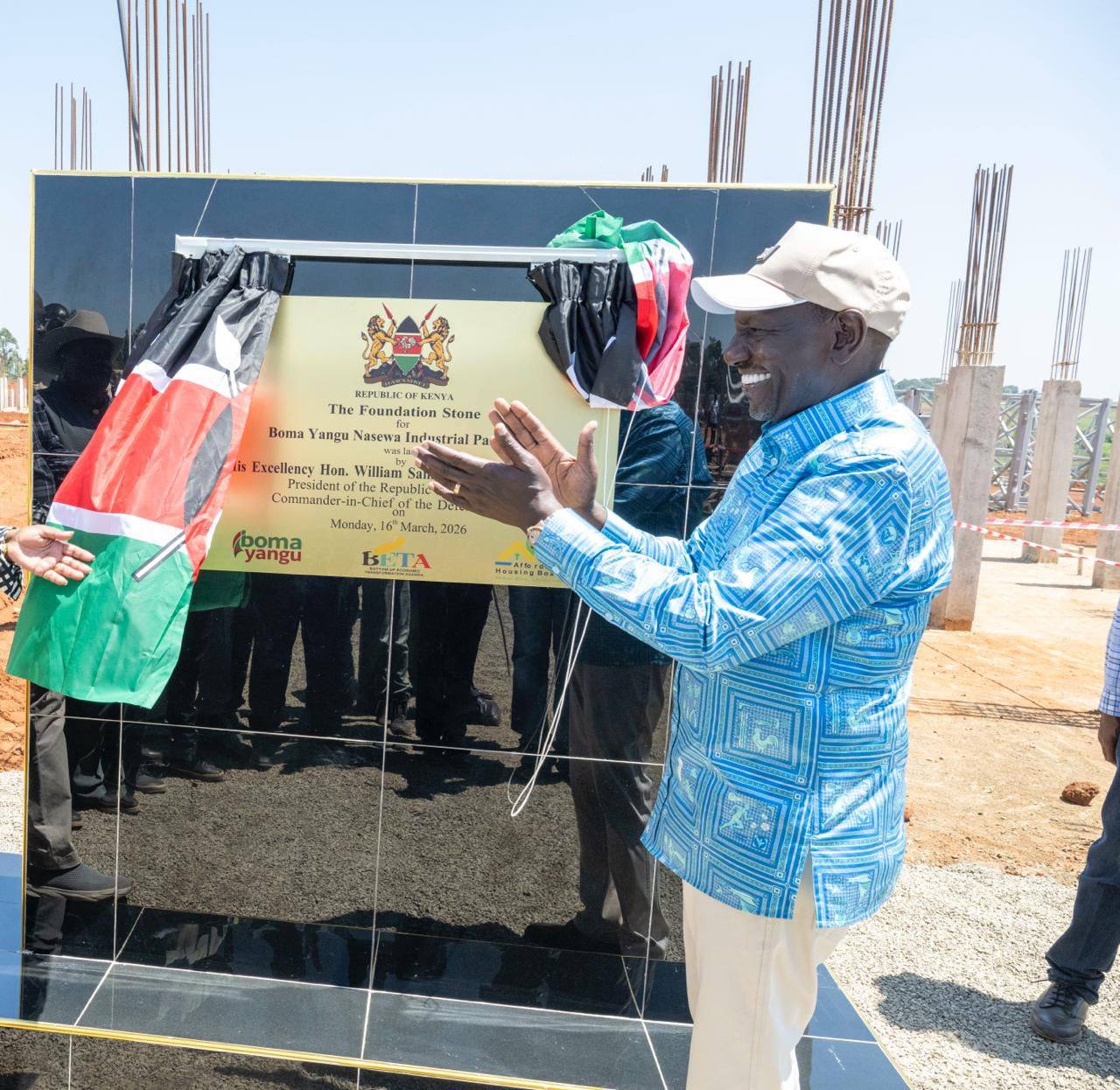
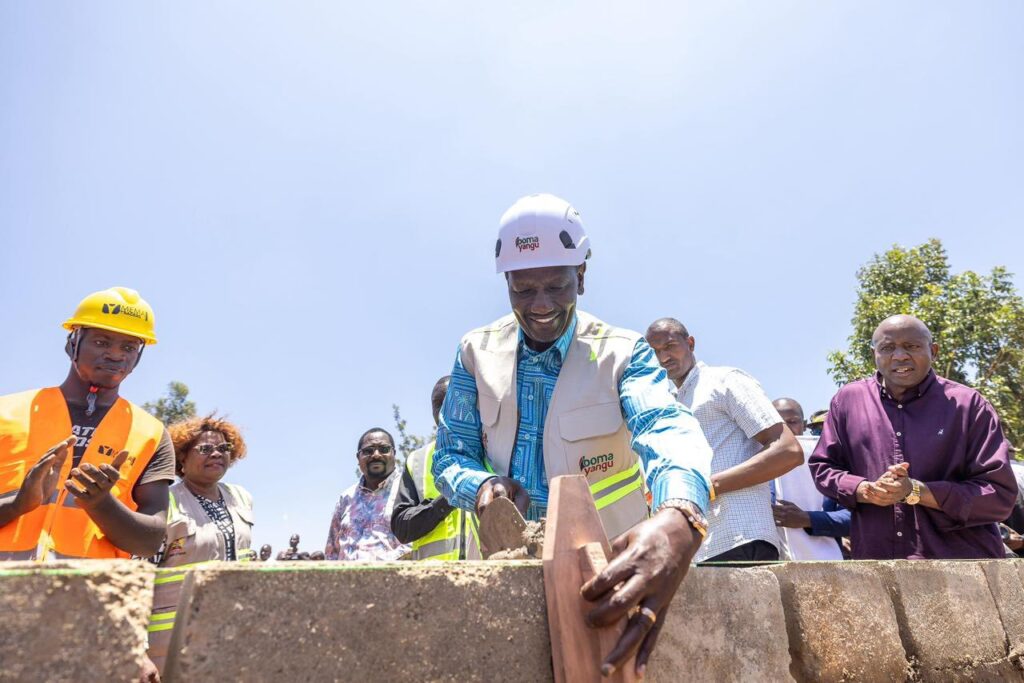
Housing development also features prominently in the President’s agenda, particularly through the Nasewa Affordable Housing Project in Busia. This large-scale initiative is not only aimed at addressing the housing deficit but also at creating thousands of jobs for local youth. By integrating housing with industrial zones like the Nasewa Aggregation and Industrial Park, the government is fostering sustainable urban growth and economic activity.
The establishment of modern markets across the region, including in Budalang’i and Malaha, represents another key pillar of the tour. These markets are designed to provide structured, hygienic, and accessible trading spaces for small-scale traders. By improving working conditions and increasing customer access, such projects directly enhance incomes for traders and strengthen grassroots commerce.
Rural electrification efforts under the Last Mile Connectivity Programme further demonstrate the government’s commitment to inclusive development. In Kakamega, thousands of households are set to benefit from expanded electricity access. Electrification is a transformative intervention, enabling small businesses to operate efficiently, improving education outcomes, and enhancing overall quality of life in rural communities.
Water infrastructure has also received attention, with the rehabilitation and solarisation of the Shitoli Water Project in Ikolomani. This initiative will provide reliable clean water to tens of thousands of residents, supporting agriculture, improving health standards, and reducing the burden on households—especially women and children who often bear the responsibility of water collection.
In Vihiga County, the rehabilitation of key roads such as Chavaki–Lusiola and Shikumu–Malinya reflects a broader strategy to improve intra-county connectivity. Better roads will facilitate access to markets, schools, and health facilities, while also encouraging local investment and mobility, thereby strengthening socio-economic linkages within the region.
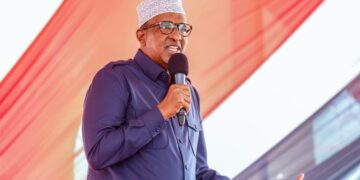
Beyond infrastructure, President Ruto used the tour as a platform to advocate for development-focused politics. He challenged his critics to present alternative policy ideas rather than engaging in rhetoric, emphasizing that Kenyans are increasingly prioritizing tangible results over political theatrics. This messaging aligns with his administration’s broader narrative of accountability and service delivery.
The significance of this Western Kenya tour lies in its holistic approach to development. By simultaneously investing in housing, roads, markets, electricity, and water, the government is addressing multiple dimensions of economic growth. These interventions are expected to create jobs, stimulate local trade, attract investment, and uplift living standards, positioning Western Kenya as a key contributor to national economic transformation.
Ultimately, the tour reflects a strategic effort to bridge regional disparities and ensure inclusive growth across Kenya. With sustained implementation, the projects launched and inspected during this visit could have long-term impacts on poverty reduction, economic resilience, and social development in Western Kenya, reinforcing the region’s role in the country’s broader development agenda.