Kenya continues to make significant progress toward achieving Universal Health Coverage (UHC), with the government prioritizing strategic investments in health infrastructure and policy reforms aimed at improving access to quality care for all citizens. Under the leadership of William Ruto and the Kenya Kwanza Alliance administration, deliberate interventions have been implemented across the country to strengthen the healthcare system and ensure that essential services reach communities that have historically faced limited access to specialized treatment.
One of the most notable policy interventions is the rollout of the Social Health Authority (SHA), a key pillar of Kenya’s healthcare reforms designed to replace the former National Hospital Insurance Fund (NHIF). Through SHA, the government aims to create a more inclusive and sustainable health financing system that enables all Kenyans to access essential medical services without facing financial hardship.
As part of these reforms, the government has significantly enhanced oncology coverage under the SHA benefits package. The oncology benefits have been increased from KES 550,000 to KES 800,000 per patient, a move expected to ease the financial burden associated with cancer treatment for thousands of Kenyan families. Cancer care remains one of the most expensive medical services, and the expanded coverage represents a major step toward protecting vulnerable households from catastrophic health expenditures.
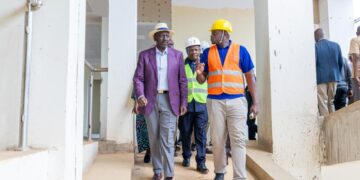
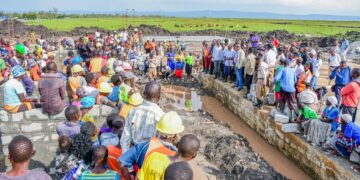
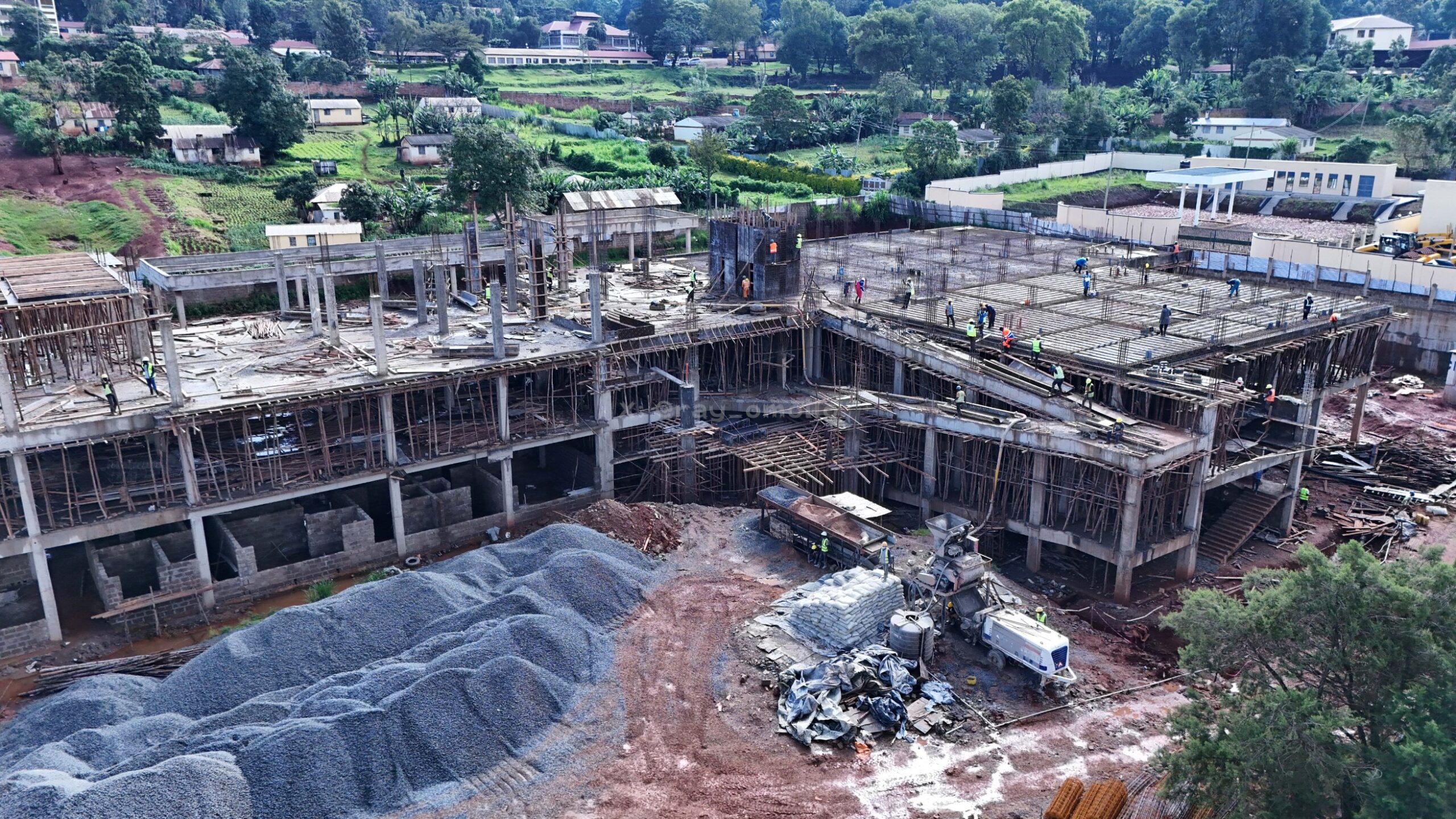
Complementing these policy reforms is the ongoing construction of the Kisii Cancer Centre, a landmark health infrastructure project that will transform cancer treatment services in South Nyanza. The facility, being developed by the national government, is expected to bring specialized oncology services closer to patients in Kisii and surrounding counties, reducing the need for long-distance travel to referral hospitals in major cities.
The Kisii Cancer Centre is currently at approximately 30 percent completion, with construction works progressing on the third floor of the main structure. This phase of construction is expected to continue through mid-April, marking steady progress toward the realization of the facility. In addition, construction of the dedicated Chemotherapy Centre block is scheduled to commence next week, further accelerating the development of the comprehensive treatment complex.

Once completed, the centre will feature critical support infrastructure designed to ensure reliable medical services for patients undergoing intensive treatment. These facilities will include a Medical Gases Plant Room, a Generator Room, and a Boiler House, all of which are essential for maintaining uninterrupted operations in a modern oncology facility.
The establishment of the Kisii Cancer Centre reflects the government’s broader commitment to expanding access to specialized healthcare services across Kenya. By decentralizing cancer treatment services and investing in modern medical infrastructure, the government seeks to ensure that patients can access life-saving treatment within their regions, improving health outcomes and reducing congestion in national referral hospitals.
Beyond healthcare delivery, the project also demonstrates the collaborative role of the State Department for Internal Security and National Administration in supporting national development initiatives that safeguard public welfare. Through coordinated efforts across government institutions, Kenya continues to strengthen its health system and advance the long-term goal of achieving Universal Health Coverage for all citizens.