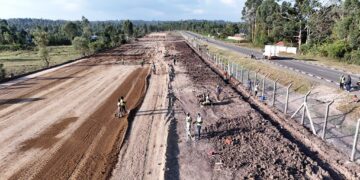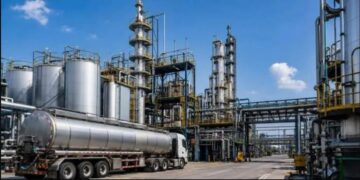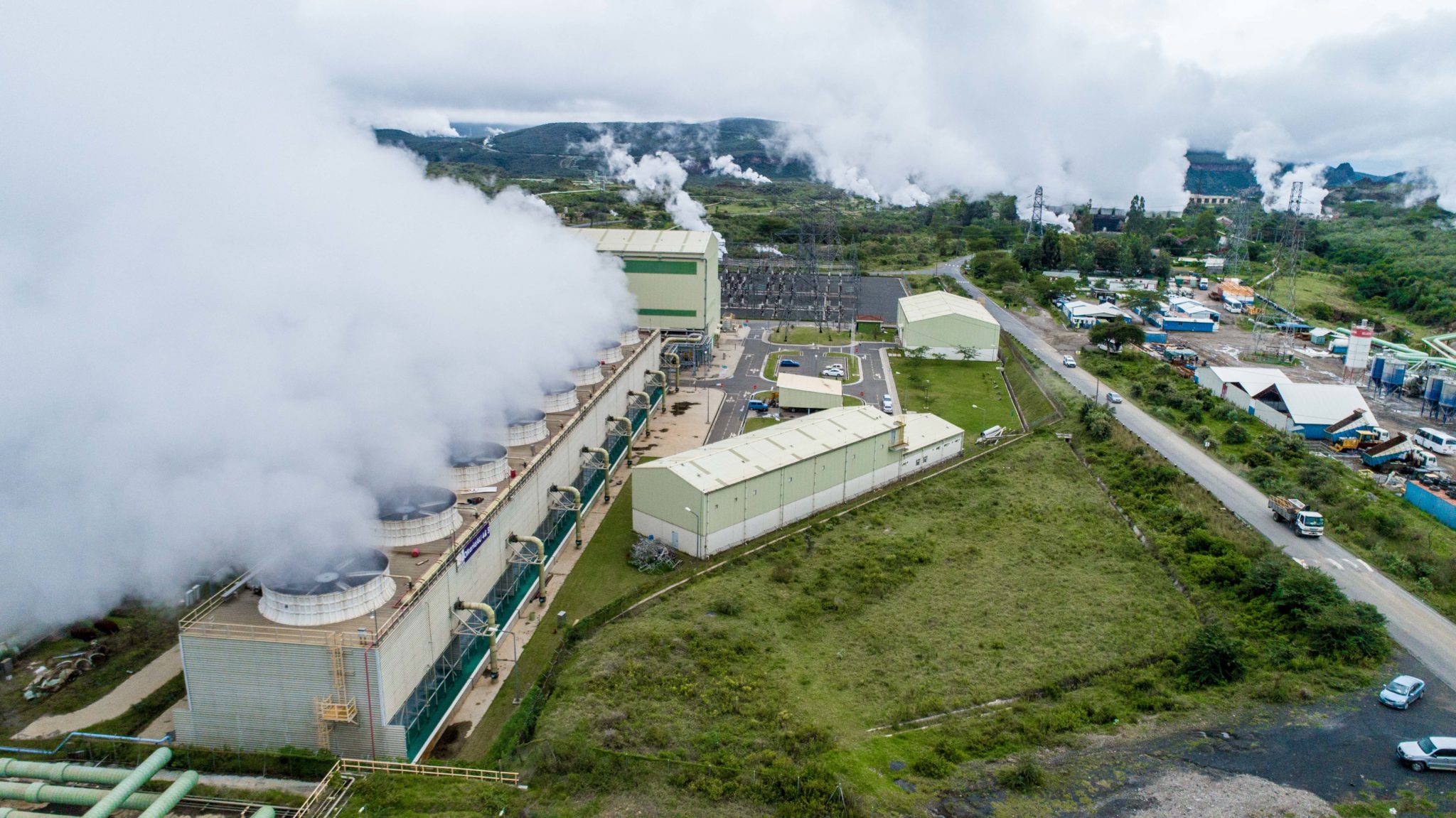
Kenya’s ambition to build a new generation of clean, energy-efficient industries gathered momentum after Kenya Electricity Generating Company secured a fourth investor for its flagship Green Energy Park in Olkaria, Naivasha. The agreement with Synergetic Development Group introduces a steel logistics and fabrication facility powered entirely by geothermal energy, marking another milestone in the country’s effort to transform abundant renewable resources into an engine for industrial growth.
The project will occupy ten acres within the Olkaria park and operate using 18 megawatts of geothermal electricity alongside access to water resources required for industrial operations. Within this footprint, the investor plans to establish an integrated logistics center for steel products and a fabrication plant capable of supplying steel components to construction, infrastructure and energy projects across Kenya and the wider region. By embedding the facility within a geothermal-powered industrial ecosystem, the project places Kenya among a small group of countries attempting to marry heavy manufacturing with clean energy production.
The signing ceremony took place during the internationally renowned World Rally Championship Safari Rally, a setting that highlighted Kenya’s intention to present its geothermal industrial ambitions on a global stage. For KenGen, the addition of Synergetic Development Group strengthens the credibility of the Green Energy Park concept, which seeks to attract industries that require reliable electricity, accessible land and water resources within a single integrated location
The investment arrives at a critical moment for President William Ruto’s administration, which has placed industrialization and energy transition at the center of its economic agenda. The Olkaria project aligns closely with Kenya’s Vision 2030 development blueprint that seeks to transform the country into a newly industrializing middle-income economy. By locating manufacturing activity directly at geothermal generation sites, the government hopes to reduce energy costs for industry while expanding production capacity in sectors such as steel, data infrastructure, fertilizer and electric mobility.
Kenya’s geothermal resources offer a strategic advantage rarely available to emerging industrial economies. The country ranks among the world’s leading geothermal producers and possesses a stable renewable energy base capable of powering energy-intensive manufacturing processes around the clock. The Olkaria Green Energy Park has therefore been designed as a special economic zone that provides investors with constant clean power, dedicated industrial land, water supply and supporting infrastructure, allowing companies to focus on production rather than basic utility constraints.
The arrival of a steel fabrication and logistics facility is particularly significant for Kenya’s manufacturing ambitions. Steel remains one of the most important inputs for construction, transport infrastructure and energy development. By expanding domestic fabrication capacity, Kenya could reduce reliance on imported finished steel products while strengthening supply chains for major national projects such as highways, rail lines and renewable energy installations.
Beyond national industrial strategy, the project also carries important local economic implications for Naivasha and surrounding communities. Industrial activities at the park are expected to create employment opportunities in fabrication, transport, engineering, logistics and support services. Local businesses ranging from construction contractors to maintenance suppliers could benefit from increased demand generated by the new facility and other investors already operating in the park.
KenGen estimates that the steel logistics and fabrication project alone could generate around 150 direct and indirect jobs once operations begin. However, the broader economic ripple effect could be significantly larger as suppliers, transport operators and local service providers integrate into the emerging geothermal industrial ecosystem.
The Green Energy Park itself is designed as a large-scale development spanning more than 340 hectares. In addition to manufacturing facilities, the master plan includes research and development spaces, data centers, administrative offices, hospitality facilities and visitor infrastructure aimed at positioning Olkaria as both an industrial and technological hub. Several investors have already secured space within the park, including firms linked to data infrastructure, green fertilizer production and electric vehicle assembly.
A major international data center investment backed by global technology interests further signals that Olkaria is evolving into a multi-sector industrial platform rather than a single manufacturing cluster. This diversification could strengthen Kenya’s position as a regional digital and industrial hub serving East Africa’s rapidly expanding economy.
From a financial perspective, the park reflects a broader strategy to monetize Kenya’s geothermal capacity beyond electricity sales. By attracting industries directly to geothermal fields, KenGen can generate new revenue streams through energy supply contracts, land leases and infrastructure services while helping stabilize demand for geothermal power.
The approach also aligns with global efforts to reduce the carbon footprint of heavy industry. Manufacturing sectors such as steel production traditionally rely on fossil fuels, making them among the most carbon-intensive industrial activities worldwide. Locating such operations in a renewable energy ecosystem allows Kenya to experiment with lower-emission industrial production models that could appeal to environmentally conscious investors and export markets.
International climate and development agendas increasingly emphasize the importance of green industrialization in emerging economies. Kenya’s Olkaria initiative therefore positions the country as an early adopter of industrial zones designed around renewable energy resources. If successful, the model could attract additional investors seeking both competitive energy pricing and low-carbon production credentials.
Monitoring and accountability mechanisms are expected to play a key role as the project advances. Performance tracking will likely focus on energy efficiency, industrial productivity, employment generation and environmental sustainability. Transparent reporting and collaboration between investors, government agencies and research institutions will be essential to ensure that the park delivers measurable economic benefits while maintaining responsible resource management.
Knowledge sharing will also form part of the long-term strategy. Lessons from the Olkaria experiment could inform future geothermal industrial zones across Kenya and potentially across Africa, where several countries possess significant untapped geothermal resources.
For Kenya, the stakes extend far beyond a single investment. The Olkaria Green Energy Park represents an attempt to redefine how renewable energy can anchor industrial transformation. If the model succeeds, it could accelerate Kenya’s transition from a power producer to a manufacturing hub powered almost entirely by clean energy.
The arrival of a fourth investor signals growing confidence in that vision. As more companies evaluate opportunities within the geothermal zone, Olkaria is gradually emerging as one of the most ambitious experiments in green industrial development in the Global South, combining renewable energy, manufacturing and infrastructure within a single integrated economic ecosystem.

Deputy President Kithure Kindiki has defended President William Ruto’s development record, saying the Kenya Kwanza administration has delivered an extensive development agenda whose impact is increasingly visible across...
Read moreDetails