Kenya is steadily transforming its grassroots trading environment through the rollout of Economic Stimulus Programme (ESP) markets across the country, a deliberate government effort aimed at strengthening small and medium enterprises while boosting local economies. The initiative, championed by the administration of William Ruto, seeks to create a structured and supportive environment where traders can operate with dignity, safety and improved access to markets. These modern trading facilities are central to the government’s broader economic agenda of empowering ordinary Kenyans and stimulating sustainable growth.
Under the Bottom-Up Economic Transformation Agenda (BETA), the development of ESP markets has been prioritized as a practical solution to the challenges facing small-scale traders who have long operated under informal and often unsafe conditions. By providing modern stalls, sanitation facilities and organized spaces, the government is creating a conducive environment that supports business stability, promotes hygiene and enhances productivity among traders.
The Economic Stimulus Programme markets are also expected to play a critical economic role by strengthening local supply chains and linking farmers directly with buyers. This will reduce post-harvest losses, improve market access and ensure that agricultural producers receive fair value for their produce. In turn, the improved trading infrastructure will stimulate rural commerce and encourage greater participation in local economic activities.
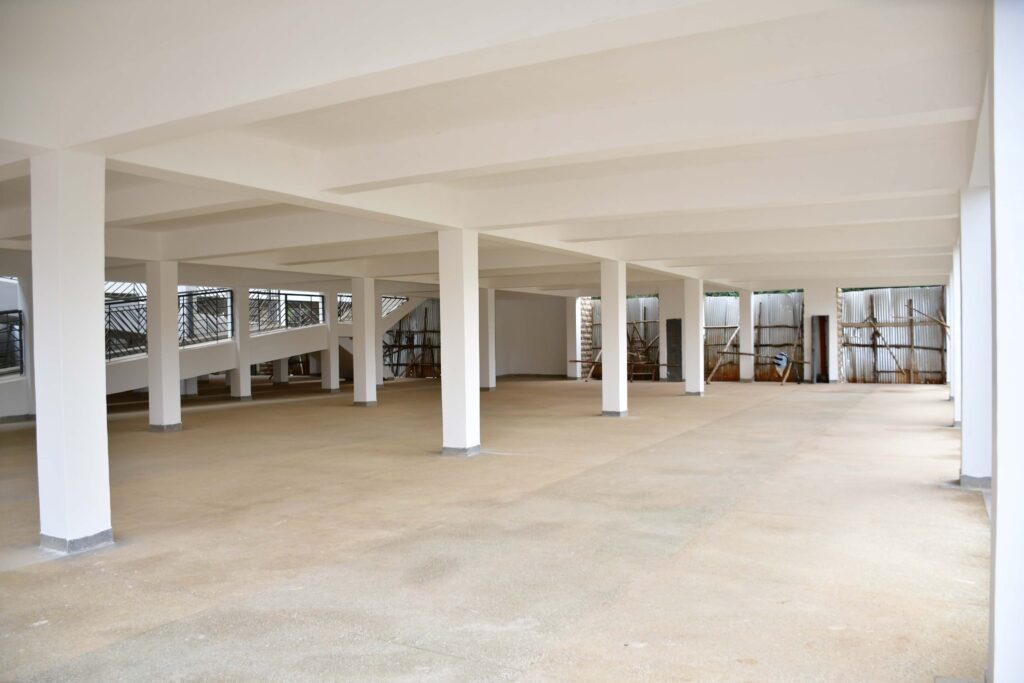
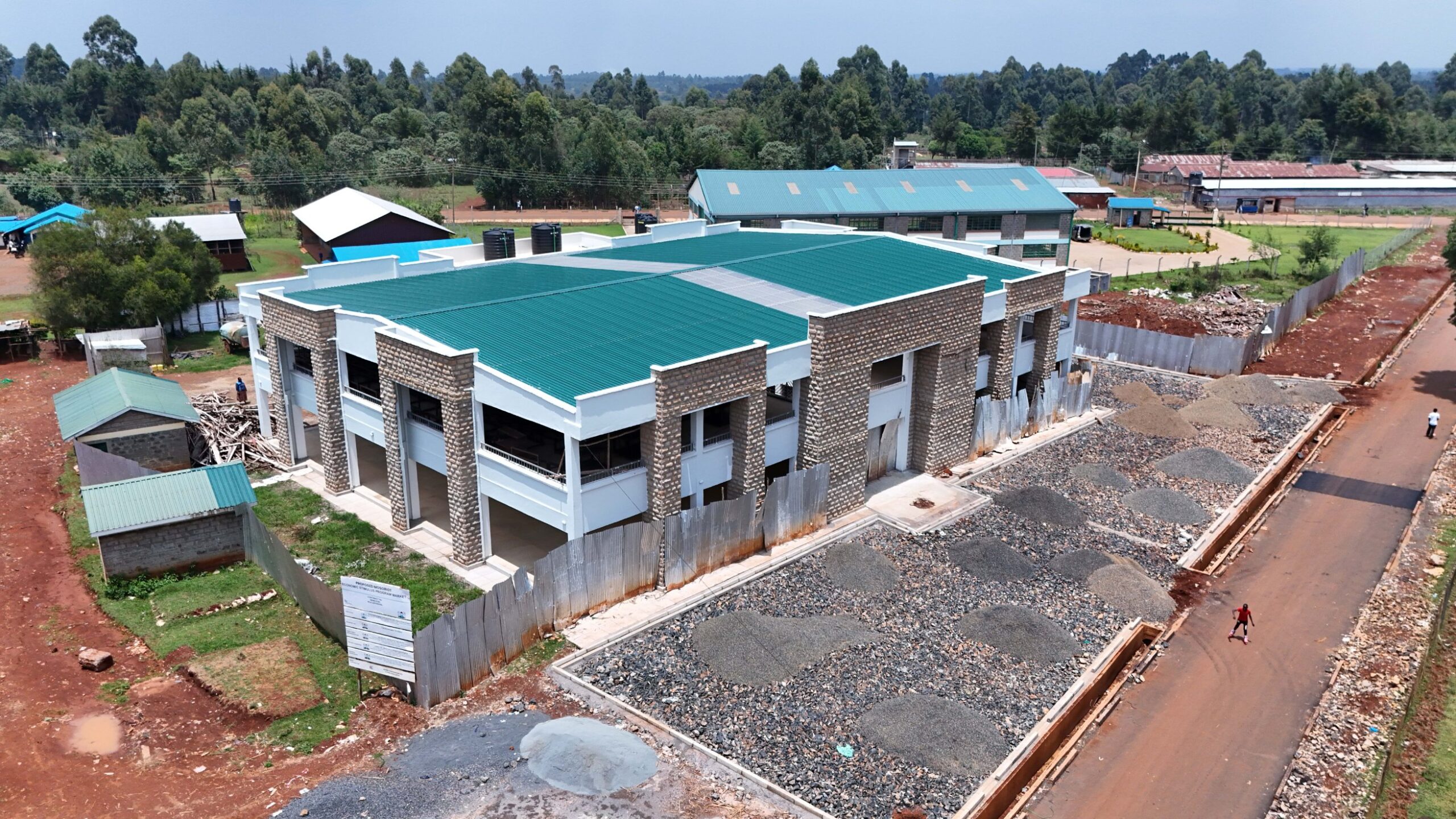
A notable example of this transformation is the Mosoriot ESP Market in Nandi County, which is now complete except for minor finishing works. The project stands as a clear demonstration of the government’s commitment to addressing the long-standing challenges faced by small and medium-size traders. Once operational, the facility will move traders from informal open-air settings into a well-organized environment that supports stable business operations and stronger market linkages.

Similarly, the one-storey Muhoroni ESP Market in Muhoroni is now 95 percent complete. Located in a rapidly growing border town within the larger Western Kenya sugar belt, the market represents a strategic investment in regional commerce. Currently, many traders in Muhoroni operate from roadside stalls, highlighting the urgent need for a safer, more organized and dignified trading space.
Upon completion, the Muhoroni market will accommodate 200 traders and feature a wide range of modern amenities designed to support inclusive economic growth. These include an ICT hub, a social hall, a kitchen, ablution facilities, a food court, cold storage facilities, administrative offices, a lactating mothers’ room and a children’s play area. The facility is expected to become a modern commercial hub that promotes entrepreneurship while improving the quality of life for traders and their families.
Another transformative project nearing completion is the Kaiboi ESP Market in Mosop Constituency within Nandi County. Designed to host approximately 400 traders, the facility includes cold storage for perishable goods, waste management systems, a community hall, hotel facilities and a mothers’ room. By linking farmers across the fertile Nandi region directly with buyers, the market will reduce the need for long-distance travel to major trading centers such as Eldoret while strengthening local commerce.
The Ministry of Interior and National Administration, through the State Department for Internal Security and National Administration, has played a crucial role in facilitating these projects by ensuring smooth implementation, strengthening local administrative support and safeguarding public assets. Their involvement underscores the government’s commitment to delivering ESP market projects that not only modernize trade infrastructure but also create jobs, expand economic opportunities and provide sustainable livelihoods for communities across Kenya.