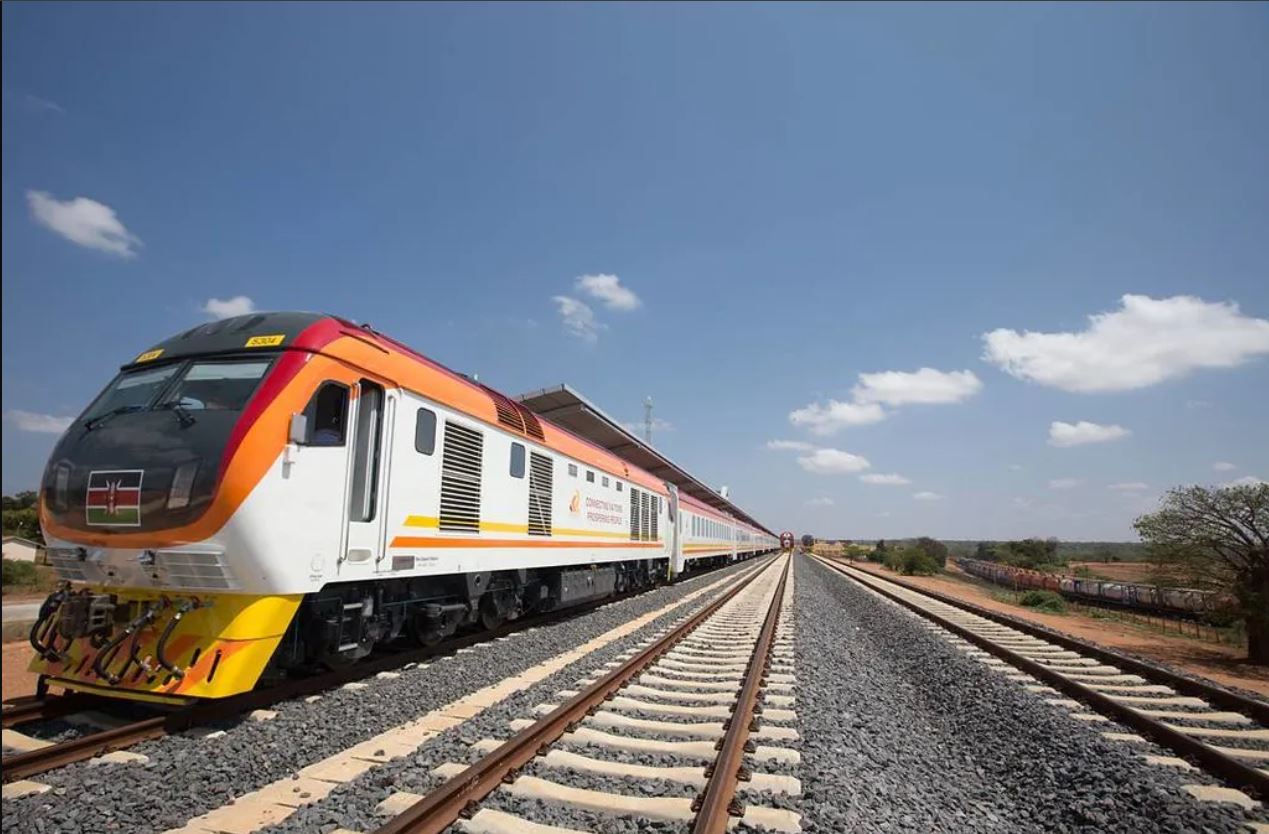
Kenya is intensifying efforts to modernize its rail infrastructure through advanced discussions with Yapi Merkezi Holdings, in a move that underscores the government’s commitment to building a faster, cleaner, and more efficient transport system anchored on the Standard Gauge Railway.
The proposed upgrade focuses on electrifying the Mombasa to Naivasha corridor, with a strategic extension to Malaba at the Uganda border. Estimated at approximately Ksh129 billion, the project marks a pivotal transition from diesel-powered operations to a modern electric railway system designed to enhance efficiency, lower operational costs, and significantly reduce carbon emissions.
The engagement with Yapi Merkezi reflects a calculated approach to partner with a firm that has demonstrated strong technical capacity in the region. The company is currently delivering a major electric railway project in Uganda valued at Ksh414 billion, positioning it as a key player in advancing East Africa’s integrated rail ambitions. Its involvement strengthens confidence in the feasibility of seamless cross-border connectivity between Kenya and Uganda.
At the core of the government’s strategy is the ambition to create a continuous electric rail corridor linking the Port of Mombasa to inland markets and onward into the wider East African region. This alignment with Uganda’s expanding electric rail network is expected to accelerate regional trade flows, reduce transit times, and improve the reliability of cargo movement across borders.
The economic implications are substantial. Electrification of the SGR is projected to lower freight costs, enhance the competitiveness of Kenyan exports, and attract greater investment into industrial zones along the railway corridor. Faster cargo movement from Mombasa to key inland hubs will strengthen Kenya’s position as a logistics gateway for the region, reinforcing its role in facilitating trade under the East African Community framework.
The initiative also reflects a broader commitment to leveraging public private partnerships and international collaboration in delivering transformative infrastructure. Coordination between government agencies, financiers, contractors, and regional partners is expected to drive efficiency in execution while ensuring long-term sustainability of the project.
Aligned with the Bottom-Up Economic Transformation Agenda, the electrification plan supports key national priorities including infrastructure development, industrial expansion, job creation, and trade facilitation. It is designed to unlock growth along strategic economic corridors while supporting emerging urban and industrial clusters linked to the railway.
Environmental considerations remain central to the project. Transitioning to electric rail is expected to significantly cut greenhouse gas emissions, improve energy efficiency, and align Kenya with global trends in sustainable transport. The adoption of modern rail technology further positions the country to meet its climate commitments while enhancing operational performance.
The project also connects to wider continental ambitions under the African Continental Free Trade Area, which seeks to deepen intra-African trade through improved infrastructure and connectivity. By strengthening its rail backbone, Kenya is laying the groundwork for increased trade volumes and deeper economic integration across the continent.
As discussions progress, the electrification of the SGR stands out as a forward-looking investment that will redefine Kenya’s transport landscape. It signals a decisive shift toward a modern, efficient, and regionally integrated railway system capable of unlocking trade potential, driving industrial growth, and securing long-term economic resilience for the country and the wider East African region.
Deputy President Kithure Kindiki has reaffirmed his unwavering commitment to supporting President William Ruto in delivering transformative development projects across the country, as he embarked on an extensive...
Read moreDetails